Wellfleet vs Kumamoto
This pairing sets a New England classic against a West Coast crowd-pleaser. The Wellfleet (Crassostrea virginica) is a medium Eastern oyster from New England with a brininess of 4, briny and clean primary flavors, and a clean, slightly sweet finish — a brisk, sea-forward oyster in the classic Atlantic mold. The Kumamoto (Crassostrea sikamea) is a small Pacific Northwest oyster at the opposite end, with a brininess of 2, a sweetness of 4, sweet and melon notes, and a creamy texture that finishes clean and gently sweet. The Wellfleet brings the salt and snap; the Kumamoto brings sweetness and softness. Tasting them back to back is a clear demonstration of how species and coast pull an oyster toward briny crispness or sweet creaminess.
| Attribute | Wellfleet | Kumamoto |
|---|---|---|
| Species | Crassostrea virginica | Crassostrea sikamea |
| Region | US East Coast | US West Coast |
| Size | Medium | Small |
| Brininess | 4/5 | 2/5 |
| Sweetness | 2/5 | 4/5 |
| Minerality | 3/5 | 2/5 |
| Creaminess | 3/5 | 4/5 |
| Finish | Clean, slightly sweet | Clean and lingering with gentle sweetness |
| Primary flavors | Briny, Clean | Sweet, Melon |
The oysters compared
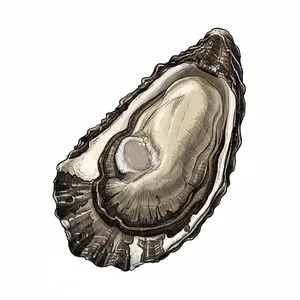
Wellfleet
US East CoastCape Cod classic. High brine, clean finish, with subtle sweetness.
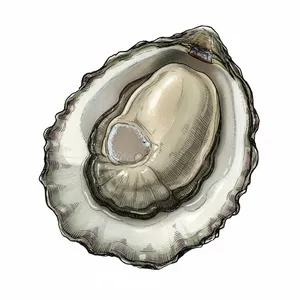
Kumamoto
US West CoastThe gateway oyster. Known for its sweet, melon-forward flavor and petite, deeply cupped shell, the Kumamoto is beloved by beginners and experts alike.
Which should you choose?
Go with the Wellfleet if you want a brisk, briny, classically Atlantic oyster (brininess 4). Go with the Kumamoto if you prefer sweet, mild, and creamy (brininess 2, sweetness 4) — it is also the easier entry point for newcomers. Together they neatly bracket the salty-versus-sweet divide.
Frequently Asked Questions
Which is sweeter, a Wellfleet or a Kumamoto?
The Kumamoto is much sweeter, rating 4 out of 5 on sweetness with a low brininess of 2. The Wellfleet is briny (4 out of 5) and only slightly sweet on the finish.
What is the main difference between these two oysters?
The Wellfleet is a briny New England Eastern oyster (Crassostrea virginica), while the Kumamoto is a sweet, mild Pacific oyster (Crassostrea sikamea) from the Pacific Northwest. One leads with salt, the other with sweetness.