Penn Cove Shellfish
About Penn Cove Shellfish
- Founded
- June 1975, by the Jefferds family in Coupeville, Washington
- Distinction
- Oldest and largest mussel farm in the United States
- Location
- Penn Cove on Whidbey Island, about two hours north of Seattle
- Species
- Penn Cove mussels plus a range of West Coast oysters
- Cultivation
- Pioneered U.S. raft (suspended) culture; oysters grown by rack-and-bag and other methods
- Setting
- Penn Cove, fed by the Cascade snowmelt and one of the most prolific mussel-growing areas on the West Coast
Penn Cove Shellfish was founded in June 1975, when the Jefferds family set simple rafts into the deep blue waters of Penn Cove on Whidbey Island, off Coupeville, Washington. Peter Jefferds, who had developed a love of mussels while living abroad, chose Penn Cove for its unusual combination of geography and water chemistry. The bet paid off: the company became the oldest and largest mussel farm in the United States, and it pioneered raft-culture methods in the U.S. long before sustainability was a household word.
Penn Cove itself is the engine behind the farm. Located about two hours north of Seattle, the cove is fed by cold, nutrient-rich water and the runoff of the nearby Cascades, and it is described as the most prolific mussel-growing area on the West Coast thanks to its distinctive hydrology and protected geography. That same clean, productive water that built the company's reputation for sweet Penn Cove mussels also makes it a strong oyster-growing environment.
While mussels are Penn Cove's signature, the Jefferds family also produces sustainably farmed oysters, and the operation handles oysters from a network of growing areas. The company brings in oysters from farms across Washington, Oregon, California, and British Columbia and wet-stores them in Penn Cove and in a large certified wet-storage system, which lets it offer a consistent, high-quality range of oysters year-round alongside its own production. Its branded oysters, such as the Penn Cove Select, are tied to the cold northern Puget Sound waters where the Samish River meets the sound.
The farm's methods reflect decades of refinement. Penn Cove built its name on suspended raft culture for mussels, hanging ropes into the deep water of the cove, and it applies a similar attention to detail across its shellfish, using rack-and-bag and related techniques for oysters. As filter feeders, the shellfish need no feed or fertilizer and clean the water as they grow, which has helped the family position the business as a model of sustainable aquaculture for half a century.
Penn Cove is also a cultural fixture of Whidbey Island. The annual Penn Cove MusselFest in Coupeville celebrates the cove's world-famous mussels and offers rare boat tours out to the seafood rafts, the only time of year the public can visit them. Between its historic role in American shellfish farming, its pristine setting, and its multi-generational family ownership, Penn Cove Shellfish remains one of the defining names of the Pacific Northwest.
Farm details
- Cultivation Method
- intertidal beach cultivated
- Growing Waters
- South Hood Canal, Puget Sound, Washington; Penn Cove, Whidbey Island, WA; Samish Bay, WA; Samish Bay, Bellingham, Washington; Penn Cove, Whidbey Island, Washington; South Puget Sound, Washington; Little Skookum Inlet, South Puget Sound, Washington; Wildcat Cove, Kamilche Point, near Shelton, WA
Oysters from Penn Cove Shellfish
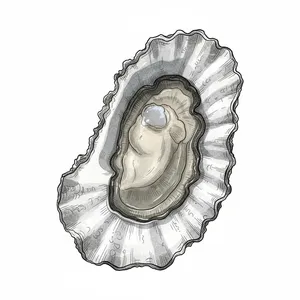
Deer Creek
US West CoastIntertidal beach-cultivated Pacific oyster from South Hood Canal, Washington. Deep-cupped with full meats, crisp brininess, and a distinctive sweet melon finish with mild mineral notes.
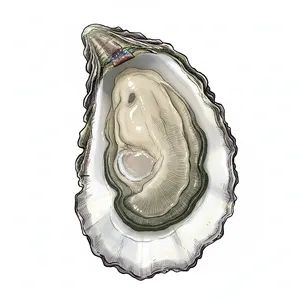
Penn Cove
US West CoastThe definitive Pacific oyster. Firm, briny meats with bright cucumber and umami notes, finished clean and steely.
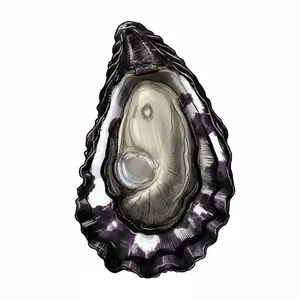
Penn Cove Select
US West CoastThe definitive Pacific Northwest oyster with stunning black and purple shells. Beach-raised in Samish Bay and finished in Penn Cove, these award-winning oysters deliver firm meats, bright brininess, and a distinctive crisp cucumber finish.
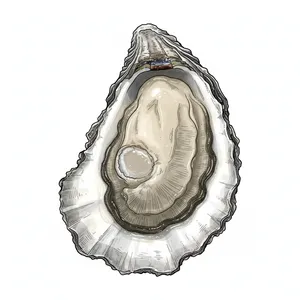
Rainier
US West CoastLarge beach-grown Pacific oyster from South Puget Sound. Known as the 'big bad boys' of Puget Sound with plump, full meats, buttery creamy texture, light brininess and sweet flavor. Perfect for grilling or raw.
Wildcat Cove
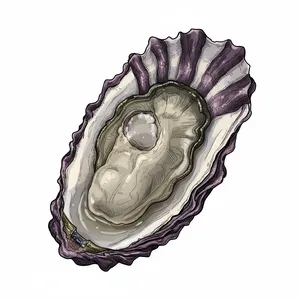
US West CoastBag-to-beach Pacific oyster from Little Skookum Inlet's nutrient-rich waters. Deep-cupped with plump, buttery meat, mild brininess, and distinctive sweet collard greens flavor finishing with melon notes. Beautiful ruffled purple shells.
Sources
This profile was drafted from the cited sources below and is under editorial review.
- Penn Cove Shellfish Farm History — Penn Cove Shellfish
- Our Legacy — Penn Cove Shellfish
- Penn Cove Shellfish — Jim Drohman
- Oysters — Penn Cove Shellfish
- Penn Cove Select (oyster profile) — Fortune Fish & Gourmet
- Penn Cove Mussel Festival — Penn Cove MusselFest