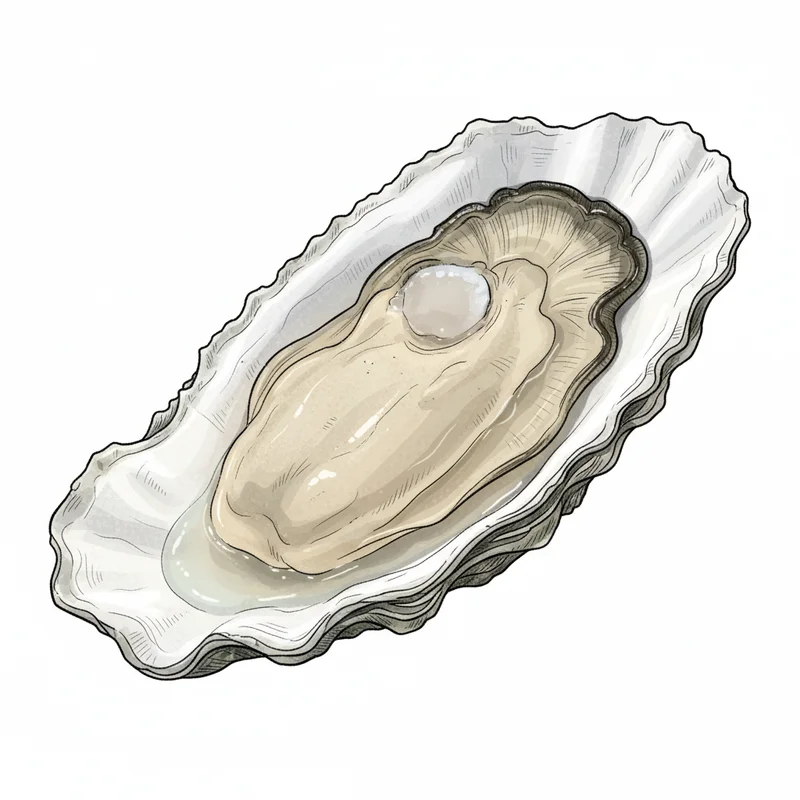
Summer Ice
Crassostrea gigas
Deep-water BC oyster cultivated at 20-50 feet depths to maintain winter condition year-round. Very salty and briny with a rich, fruity finish from feeding on zooplankton in cold Pacific waters.
At a Glance
Summer Ice is a Pacific oyster (Crassostrea gigas) from the Canada West Coast. It is intensely briny (5/5 brininess) and subtly sweet (2/5 sweetness), with very briny, fruity flavors and a finish that is rich, fruity, slightly steely finish.
Flavor Profile
Finish
Rich, fruity, slightly steely finish
Expert Notes
Summer Ice oysters are cultivated using deep-water suspension techniques, lowered to depths of 20-50 feet or more to maintain their winter condition year-round. At these depths, they feed on zooplankton rather than phytoplankton, which gives them a richer, more complex flavor than typical BC oysters. Very salty due to the cold Pacific water, they offer a delicate texture paired with a distinctive fruity finish that sets them apart from shallow-water varieties. Origin & Characteristics
- Species
- Crassostrea gigas
- Native to
- Japan
- Grown in
- British Columbia (Pearl Bay, Sinku)
- Size
- Regular (3-4 inches)
- Shell Color
- Clean white with minimal fouling
- Meat Color
- Pale cream
What Experts Say
Across 7 sources, tasters describe this oyster as:
Unique notes: steely, transparent meats, winter quality
"Summer Ices are the firmest Pacific oysters I've ever tasted, and one of my first choices in July or August. The flavor is very mild, so they benefit from a little lime or mignonette."
firmmild
"Summer Ice Oysters have a high salinity with very firm somewhat transparent meats and a mild flavor."
high salinityfirmmildtransparent
"Summer Ice Oysters are known for their high salinity and firm, somewhat transparent meats complemented by a mild flavor profile. The deep cultivation depth contributes to the oysters' firm texture and mild flavor profile."
high salinityfirmtransparentmild
"The cold, deep water keeps them nicely crisp—though not as crisp as Summer Ices, their deep-sea-diving siblings."
crispcold
"Summer Ice oysters are lowered to depths of fifty feet or more to maintain their winter condition. The deeper depth means the oyster feeds on zooplankton rather than phytoplankton resulting in a rich, slightly steely finish."
richsteely
"Summer Ice Oysters are cultured in the same manner as the Sinku except at a much deeper depth, 60 feet or more. In mid Spring we drop the trays to a depth that has the same water temperature as winter. This prevents the oysters from spawning and maintains meat quality at its winter prime during the month without R.s."
winter qualityfirm
About the Farm
Mac's Oysters Ltd.
Est. 1947Mac's Oysters Ltd. farms oysters in Jervis Inlet on British Columbia's Sunshine Coast, using innovative depth-suspension methods to create distinct oyster brands including Pearl Bay, Sinku, and Summer Ice.
- Cultivation Method
- suspended culture
History & Background
Summer Ice oysters represent an innovative solution to the 'R month problem' - the traditional months when oysters spawn and lose quality. By suspending oysters at 60+ feet depth in Jervis Inlet starting in mid-Spring, the cold water temperature prevents spawning and maintains winter-quality meat year-round.
Summer Ice oysters are recognized across North America as the specialty summer oyster of choice, available only from early June through late September when most other oysters are spawning.
Did You Know?
- Summer Ice oysters are the same seed as Pearl Bay and Sinku oysters, but grown at different depths creating three distinct flavor profiles from one location
- The name 'Summer Ice' refers to the cold, winter-like water conditions maintained at 60+ feet depth even during summer months
- These are the firmest Pacific oysters according to oyster expert Rowan Jacobsen
Sources & References
This information was compiled from 7 sources.
- Summer Ice - British Columbia — The Oyster Guide
- PRODUCTS | Mac's Oysters Ltd. — Mac's Oysters
- Summer Ice Oysters — Chef's Resources
- Summer Ice Oysters - The Oyster Encyclopedia — Oyster Encyclopedia
- OYSTER VARIETIES — The Seafood Merchants
- Summer Ice Oyster — OysteRater
- Pearl Bay - British Columbia — The Oyster Guide
Similar Oysters
Royal Courtesan
Canada West CoastBeach-raised Pacific oyster from Cortes Island, BC. Bold, briny, and metallic with robust mineral intensity and a strong, clean finish. Cultivated by renowned oyster farmer Brent Petkau.
Malaspina
Canada West CoastHardy beach-grown Pacific oyster from Malaspina Inlet, Vancouver Island. Firm and plump with a crisp, briny flavor and distinctive cucumber-like finish. Rugged shells and dark mantle from extreme tidal conditioning.
Baynes Sound
Canada West CoastTray-raised and beach-hardened oyster from British Columbia's productive Baynes Sound. Medium salty with a clean, refreshing cucumber finish and balanced mineral sweetness. The archetypal BC oyster.
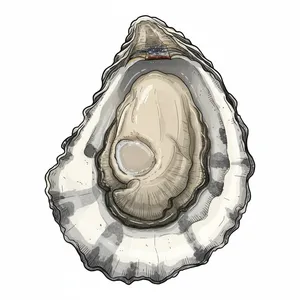
Satori
Canada West CoastPacific oyster from British Columbia cultivated using deep water start, tumbling, and beach methods. Medium brininess with fresh, clean taste and distinctive cucumber finish.
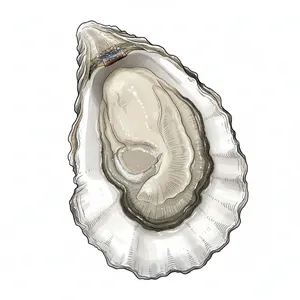
Sinku
Canada West CoastDeep-water suspended Pacific oyster from British Columbia. Clean and briny with a mild, cold milk taste and no vegetal notes. Crisp texture from cold-water cultivation at 15-40 feet depth.
Learn More
The Big Five: A Complete Guide to Commercial Oyster Species
Comprehensive guide to C. virginica (Atlantic), C. gigas (Pacific), C. sikamea (Kumamoto), O. lurida (Olympia), and O. edulis (European Flat)
Read article → Biology & SpeciesThe Pacific Oyster (C. gigas): Cream, Cucumber, and the Japanese Legacy
Understanding the world's most cultivated oyster - from Japanese origins to West Coast dominance
Read article → Merroir & EnvironmentWhat Is Merroir? How Water Shapes Oyster Flavor
Merroir is the marine version of terroir: how salinity, temperature, tides, and plankton in the growing water shape an oyster's flavor. The science, plus how to taste it.
Read article →