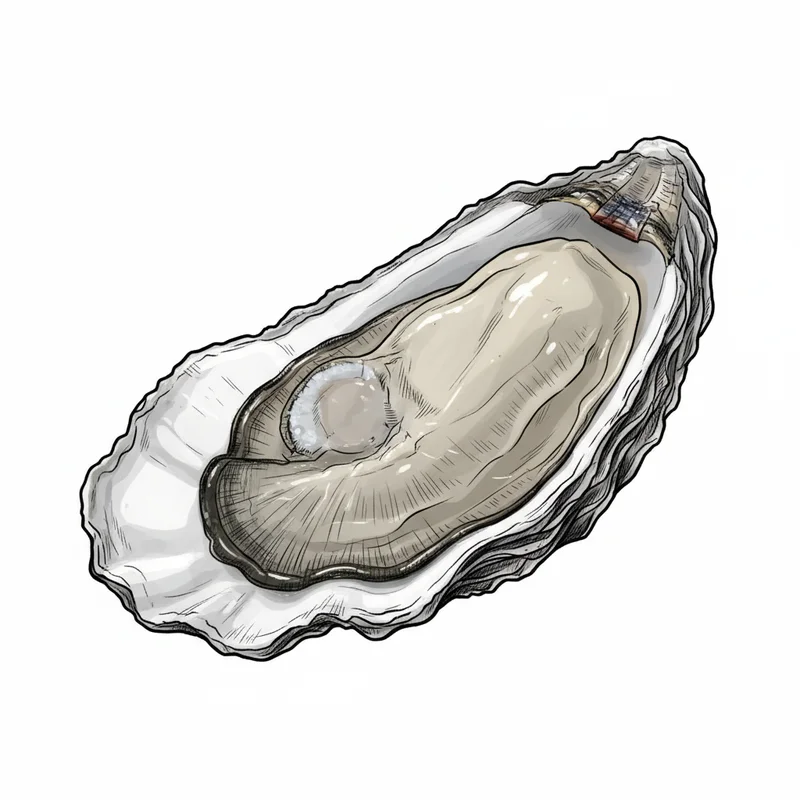
Apalachicola
Crassostrea virginica
Wild-harvested Gulf Coast oyster from Florida's legendary Apalachicola Bay. Small, intensely briny, and robust with a distinctive flavor that earned global recognition as the pinnacle of oyster quality.
At a Glance
Apalachicola is an Eastern oyster (Crassostrea virginica) from the US Gulf Coast. It is notably briny (4/5 brininess) and subtly sweet (2/5 sweetness), with briny, robust flavors and a finish that is strong, clean, memorable.
Flavor Profile
Finish
Strong, clean, memorable
Expert Notes
Apalachicola oysters are legendary among Gulf Coast oysters, once providing 10% of all oysters harvested nationally. These wild-harvested oysters are prized for their robust, intensely briny flavor and distinctive taste that made them globally recognized as 'the pinnacle' of oyster quality. Their small size and naturally-set character deliver a concentrated punch of salinity that reflects the unique terroir of Apalachicola Bay, earning them the reputation as 'king' among oyster connoisseurs. Origin & Characteristics
- Species
- Crassostrea virginica
- Native to
- USA
- Grown in
- Apalachicola Bay, Florida Panhandle
- Size
- Small (2-3 inches)
- Shell Color
- Gray-white
- Meat Color
- Cream to light gray
What Experts Say
Across 10 sources, tasters describe this oyster as:
Unique notes: grassy, full-bodied, mineral, crisp, mesmerizing
"I have tasted Apalachicola oysters (or what were passed off as Apalachicola oysters, at any rate) in many oyster bars around the country, and I have generally been disappointed. They are mild, yes, but also soft and watery. However, the oysters I tasted in Apalachicola itself were revelatory - firm, briny, and sweet with a clean finish."
mildbrinysweetcleanfirm
"Known for their full-bodied, mild brininess, Apalachicola oysters hail from the Panhandle region. These oysters are among the most popular in Florida, thanks to their consistent quality and delicate flavor profile."
full-bodiedmildbrinydelicate
"They are known for their distinct flavor profile, which is a result of the unique blend of salt and fresh water in the Apalachicola Bay. The area's pristine waters and nutrient-rich environment make it an ideal location for oyster farming."
distinctbrinyclean
"Pairing Eastern oysters from the Apalachicola estuary, where most of the fishery is concentrated in shallow coastal waters near riverbeds, and the nutrient streams are rich in earthen flavor profiles. The Apalachicola river basin and Gulf of Mexico covers more than 12.8M acres, and the barrier islands create a mixing zone between the fresh, nutrient rich river flow, blending with the saltwater's brine. To make for a delicious, mild brine, grassy, and earthen."
mild brinegrassyearthenmineral
"There's a smell of oysters in an oyster sack like no other smell. It's mesmerizing. Apalachicola Bay was legendary. Rich with life, the bay is almost perfectly shielded from the vagaries of the ocean by two barrier islands, St. George and St. Vincent, which form a cupped and protective hand. For millennia this estuary was one of the most productive in the northern hemisphere."
richbrinydistinctive
"You can taste the crisp, briny flavor that only the freshest oysters can offer. The bay's unique mix of fresh and saltwater creates an ideal environment for oyster growth."
crispbrinyfresh
About the Farm
Apalachicola Bay oysters are wild-harvested using traditional tonging methods that have been practiced for centuries. The bay's oyster industry has been a staple of the local economy and culture for over a century, with about 300 oystermen working the shallow waters using long, wooden-handled tongs to harvest oysters by hand. The bay produces abundant natural spat sets, allowing oysters to grow to 3 inches in just 12-18 months thanks to the nutrient-rich brown waters from the Apalachicola River.
- Cultivation Method
- wild harvest
History & Background
The name 'Apalachicola' originates from the indigenous Apalachicola tribe, meaning 'people on the other side.' Oysters were Apalachicola's first seafood industry, sold locally as early as 1836 and harvested using scissor-shaped tongs hoisted aboard shallow-draft skiffs. Apalachicola Bay was once known as 'the oyster capital of the world' and historically produced 90% of Florida's oyster population. The bay is one of the most productive estuaries in the northern hemisphere, protected by barrier islands St. George and St. Vincent, with the Apalachicola River delivering nutrient-rich sediment that creates ideal growing conditions.
Apalachicola oysters earned global recognition as the pinnacle of oyster quality and were among the most sought-after oysters in the country. The small town of Apalachicola maintains a working waterfront where restaurants are obsessed with freshness, with many having dedicated boats that harvest daily and deliver in the afternoon. Oysters are not a precious luxury here but part of the fabric of town life, even served at breakfast.
Did You Know?
- Apalachicola Bay is about 80 miles from anywhere, which has kept it relatively undeveloped
- The bay is only a few feet deep, making it perfect for traditional tonging methods
- Oysters grow extraordinarily fast here - reaching 3 inches in just 12-18 months thanks to the plankton-rich brown waters from the Apalachicola River
- The bay covers approximately 208 square miles and is home to over 1,100 species of plants, 308 species of birds, 186 species of fish, and 57 species of mammals
- Wild oyster harvesting was put on hold to allow rehabilitation, though aquaculture farming continues with over one hundred leaseholders
- The legal harvest length is 3 inches, measured with a culling iron that has two metal flanges three inches apart
Sources & References
This information was compiled from 10 sources.
- Apalachicola Bay - The Oyster Guide — The Oyster Guide
- The Lost Pearl - Southern Foodways Alliance — Southern Foodways Alliance
- Your Guide to the Best Oysters in Florida - Shells Seafood — Shells Seafood
- All About Oysters - Visit Apalach — Visit Apalach
- A State-by-State Guide to the South's 35 Best Oysters - Garden & Gun — Garden & Gun
- Pairing Eastern Oysters & Some Hazy IPA - Foraging and Farming — Foraging and Farming
- Tonging for Oysters in Apalachicola - The Oyster Guide — The Oyster Guide
- Apalachicola Oysters - The Oyster Encyclopedia — Oyster Encyclopedia
- From Seed to Saltine - Shunk Gulley — Shunk Gulley
- The Disappearing Apalachicola Oyster - Eater — Eater
Similar Oysters
Lavaca Bay
US Gulf CoastTexas Gulf Coast oyster with pronounced briny intensity and complex oceanic flavors. Rich and full-bodied with subtle sweetness, reflecting the high salinity of Lavaca Bay's coastal waters.
Isle Dauphine
US Gulf CoastHand-crafted Alabama oyster from Dauphin Island with bold brininess and firm texture. Grown in raised cages with strong wave action that creates a deep, meaty cup and consistent quality.
Ladies Pass
US Gulf CoastWild-harvested from Galveston Bay's Ladies Pass Reef. Large, firm oyster with high salinity, mouth-watering brine, sweet notes, and complex umami flavors with hints of asparagus and green bean.
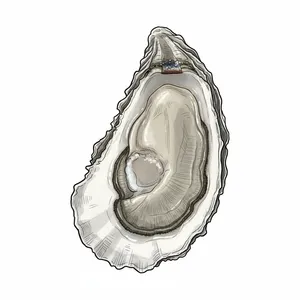
Pepper Grove
US Gulf CoastWild-harvested Gulf Coast oyster from Pepper Grove Reef in East Galveston Bay, Texas. Large, intensely briny with distinctive sweet notes and complex umami flavors. High-salinity environment creates firm texture and signature crenelated shell.
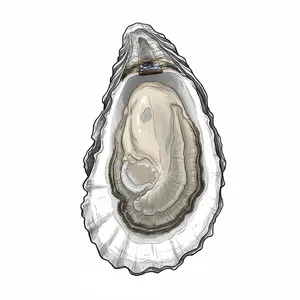
Lameque
Canada East CoastSmall cold-water oyster from Chaleur Bay, New Brunswick. Heavy, gnarly shells with intensely briny, metallic flavor. Robust and wild—not for beginners.
Learn More
The Big Five: A Complete Guide to Commercial Oyster Species
Comprehensive guide to C. virginica (Atlantic), C. gigas (Pacific), C. sikamea (Kumamoto), O. lurida (Olympia), and O. edulis (European Flat)
Read article → Biology & SpeciesThe Atlantic Oyster (C. virginica): From Maritime Brine to Gulf Sweetness
Deep dive into America's indigenous East Coast oyster - flavor profiles, regional variations, and famous varieties
Read article → Merroir & EnvironmentWhat Is Merroir? How Water Shapes Oyster Flavor
Merroir is the marine version of terroir: how salinity, temperature, tides, and plankton in the growing water shape an oyster's flavor. The science, plus how to taste it.
Read article →