Olympia Oyster Ostrea lurida
Native range: Pacific coast of North America (Alaska to Baja California)
Also known as: Oly, Lurida
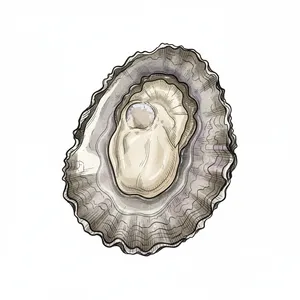
The Olympia oyster, Ostrea lurida, is the only oyster native to the West Coast of North America, ranging historically from Alaska to Baja California. A flat oyster like its European cousin, it is famously tiny — often no larger than a coin — yet it delivers a flavor far bigger than its size suggests. Olys are intensely savory, with a distinctive coppery, metallic minerality and a sweet, almost celery-like finish that lingers. Once enormously abundant and a staple of West Coast tables in the nineteenth century, they were nearly wiped out by overharvesting, pollution, and habitat loss, and remain a niche, slow-growing specialty produced in modest quantities today. Their restoration is a celebrated cause among Pacific shellfish growers and conservationists. For oyster enthusiasts, the Olympia is a connoisseur's bite: small, concentrated, and unlike anything else on the half shell, with a flavor that rewards slow, deliberate tasting.
1 oyster of this species
Frequently Asked Questions
What is an Olympia oyster?
The Olympia oyster (Ostrea lurida) is the only oyster native to the West Coast of North America. It is a small flat oyster, historically ranging from Alaska to Baja California.
What does an Olympia oyster taste like?
Despite their tiny size, Olympias are intensely flavored, with a distinctive coppery, metallic minerality and a sweet, almost celery-like finish that lingers on the palate.
Why are Olympia oysters so rare?
Once abundant, Olympia oysters were nearly wiped out by overharvesting, pollution, and habitat loss. They grow slowly and are produced in modest quantities today, with active restoration efforts underway.