Fat Bastard vs Kumamoto
This is a study in scale and salt among Pacific oysters. The Fat Bastard (Crassostrea gigas) is a large, tide-tumbled Washington oyster (2.75-3.75 inches) with briny, savory, and sweet primary flavors, a brininess of 4, a creaminess of 4, and a sweet, lingering finish loaded with briny liquor. The Kumamoto (Crassostrea sikamea) is its petite opposite — a small oyster (1.5-2.5 inches) from the Pacific Northwest with sweet and melon primary flavors, a low brininess of 2, a sweetness of 4, and a clean, lingering finish with gentle sweetness. Both are deep-cupped and creamy (4 out of 5 each), but the Fat Bastard is a bold, plump, salt-forward mouthful while the Kumamoto is a delicate, fruit-forward bite. One is built for size and brine; the other for sweetness and approachability.
| Attribute | Fat Bastard | Kumamoto |
|---|---|---|
| Species | Crassostrea gigas | Crassostrea sikamea |
| Region | US West Coast | US West Coast |
| Size | Large | Small |
| Brininess | 4/5 | 2/5 |
| Sweetness | 3/5 | 4/5 |
| Minerality | 3/5 | 2/5 |
| Creaminess | 4/5 | 4/5 |
| Finish | Sweet, lingering, with plenty of briny liquor | Clean and lingering with gentle sweetness |
| Primary flavors | Briny, Savory, Sweet | Sweet, Melon |
The oysters compared
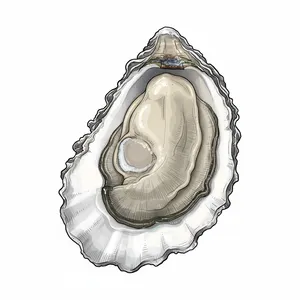
Fat Bastard
US West CoastThe largest of Taylor Shellfish's tide-tumbled Pacific oysters from Washington State. Bold, briny, and savory with a sweet finish, plump texture, and deep cups filled with generous liquor.
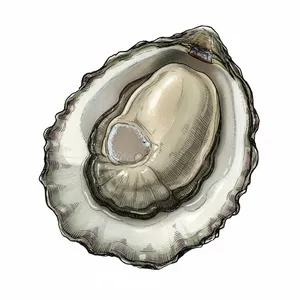
Kumamoto
US West CoastThe gateway oyster. Known for its sweet, melon-forward flavor and petite, deeply cupped shell, the Kumamoto is beloved by beginners and experts alike.
Which should you choose?
Choose the Fat Bastard if you want a big, bold, briny oyster with plump meat and plenty of liquor (brininess 4) — it is aimed at brine-lovers and size enthusiasts, not newcomers. Choose the Kumamoto if you prefer something small, sweet, and gentle (brininess 2, sweetness 4); it is the classic gateway oyster. Both are creamy and deep-cupped, so the split is really salt-and-size versus sweet-and-petite.
Frequently Asked Questions
Which is better for beginners, a Fat Bastard or a Kumamoto?
The Kumamoto is the beginner-friendly pick, with a low brininess of 2 and a sweetness of 4. The Fat Bastard is bold and briny (4 out of 5) and geared toward experienced brine-lovers.
How different are they in size?
Substantially. The Fat Bastard is a large oyster at 2.75-3.75 inches, while the Kumamoto is small at 1.5-2.5 inches — a big, plump mouthful versus a petite, delicate bite.
Are they the same species?
No. The Fat Bastard is a Pacific oyster, Crassostrea gigas, while the Kumamoto is Crassostrea sikamea. Both are grown in the Pacific Northwest but express very different profiles.