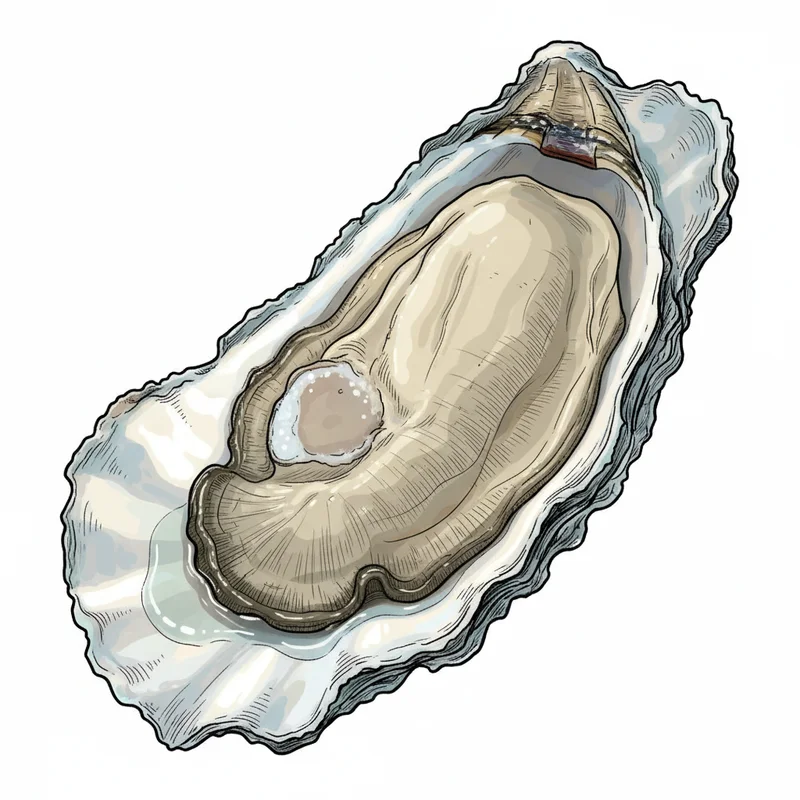
Fat Bastard
Crassostrea gigas
The largest of Taylor Shellfish's tide-tumbled Pacific oysters from Washington State. Bold, briny, and savory with a sweet finish, plump texture, and deep cups filled with generous liquor.
At a Glance
Fat Bastard is a Pacific oyster (Crassostrea gigas) from the US West Coast. It is notably briny (4/5 brininess) and moderately sweet (3/5 sweetness), with briny, savory, sweet flavors and a finish that is sweet, lingering, with plenty of briny liquor.
Flavor Profile
Finish
Sweet, lingering, with plenty of briny liquor
Expert Notes
Fat Bastard oysters are Taylor Shellfish's boldest tide-tumbled Pacific offering, developed in 2009. Grown in floating bags that roll with the natural tide, these giants feed on fresh algae near the water's surface, developing beautifully deep cups and plump, juicy meats. They pack a bright, savory punch with strong brininess balanced by a sweet finish, delivering generous briny liquor that makes them as bold in flavor as they are in size. Origin & Characteristics
- Species
- Crassostrea gigas
- Native to
- Japan
- Grown in
- Willapa Bay, Washington, Samish Bay, Washington
- Size
- Large (2.75-3.75 inches)
- Shell Color
- Polished white to gray
- Meat Color
- Plump cream
What Experts Say
Across 7 sources, tasters describe this oyster as:
Unique notes: bright, clean, meaty, ocean, generous liquor
"A masterpiece with a deep cup, firm flesh, medium brininess, and clean taste. Added bonus: the shell is easy to open."
brinycleanfirm
"Strong brininess with a sweet finish and firm, plump texture. By floating near the water's surface, Fat Bastard Oysters feed on the freshest algae, resulting in a bright, savory flavor with plenty of briny liquor."
brinysweetsavorybrightplump
"A strong brininess with a sweet finish and a firm, plump texture. Deep cups and smooth shells similar to their smaller counterparts, the Shigoku Oysters."
brinysweetfirmplump
"Pronounced brine, full savory ocean flavor. Plump, meaty, substantial texture. The taste begins with a distinct brininess, developing into a full, savory ocean flavor."
brinysavoryoceanplumpmeaty
"Occasionally an oyster nerd will reject a Shigoku like an undersized bluegill. Fortunately for him (and yes, I do mean him), there is the Fat Bastard, a Shigoku that by design or neglect blew past the..."
similar to Shigoku
About the Farm
Taylor Shellfish Farms
Est. 1969Started in 1969 as Taylor United by brothers Edwin and Justin Taylor, grandsons of James Y. Waldrip. Taylor Shellfish Farms is now the largest producer of farmed shellfish in the U.S., with over 11,000 acres of tidelands along the Washington and B.C. coasts.
- Cultivation Method
- floating bags
History & Background
Fat Bastard Oysters have been grown since 2009 by Taylor Shellfish Farms. They are cultivated as a larger version of the popular Shigoku oyster, allowed to grow to 2.5-3.25 inches versus a Shigoku's 1.5-2.5 inches and about twice the volume.
The Fat Bastard is described as 'the big brother to our beloved Shigoku' and was created for oyster enthusiasts who wanted more impact while maintaining the same artsy shell aesthetic as the Shigoku.
Did You Know?
- Fat Bastards are approximately twice the volume of Shigoku oysters
- The name is a playful reference to their impressive size
- They are cultivated in tumbling bags affixed to floats that gently roll with the natural tide
Sources & References
This information was compiled from 7 sources.
- Fat Bastard (WA) - Oysterater — oysterater.com
- Fat Bastard Oysters (30 pcs) - Taylor Shellfish Farms — taylorshellfishfarms.com
- Fat Bastard Oysters - The Oyster Encyclopedia — oysterencyclopedia.com
- Fat Bastard Oysters | Large, Plump & Briny - Seafood Market Singapore — seafoodmarket.com.sg
- The Five-Minute Oyster Guide That Will Make You Look Like an Expert - Vice — vice.com
- Our Farms - Taylor Shellfish Farms — taylorshellfishfarms.com
- Taylor Shellfish Farms - Seattle - Yelp — yelp.com
Similar Oysters
Hog Island Cliffside
US West CoastLarge, deeply cupped Pacific oyster from Discovery Bay, Washington. Intensely briny with herbaceous spinach/kale notes and a distinctive umami finish reminiscent of aged beef or dried nori. Complex and bold.
Blue Pool
US West CoastTumbled Pacific oyster from Hood Canal's Hamma Hama River. Deep-cupped with smooth shells, featuring a creamy, crunchy texture and complex flavor profile of cucumber, crisp brine, and a distinctive sweet-vegetal finish.
Tomales Bay Golden Nugget
US West CoastRare tumbled Pacific oyster from Tomales Bay's oldest oyster company. Deep-cupped and plump with smooth buttery brine, rich melon notes, and a distinctive woody artichoke finish. One of California's richest-tasting oysters.
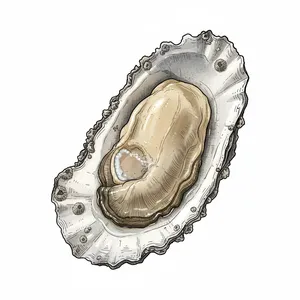
Totten Inlet
US West CoastLegendary Pacific oyster from South Puget Sound's most renowned fattening grounds. Intensely rich and plump with bold briny flavor, buttery texture, and distinctive seaweed notes that made Totten Inlet famous worldwide.
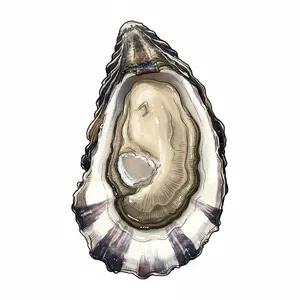
Baywater Sweet
US West CoastBoutique Pacific oyster from Thorndyke Bay in Hood Canal, Washington. Deep-cupped with exceptionally sweet flavor balanced by high brininess and a rich umami finish. Tumbled in tides, producing strong shells and full meat.
Learn More
The Big Five: A Complete Guide to Commercial Oyster Species
Comprehensive guide to C. virginica (Atlantic), C. gigas (Pacific), C. sikamea (Kumamoto), O. lurida (Olympia), and O. edulis (European Flat)
Read article → Biology & SpeciesThe Pacific Oyster (C. gigas): Cream, Cucumber, and the Japanese Legacy
Understanding the world's most cultivated oyster - from Japanese origins to West Coast dominance
Read article → Merroir & EnvironmentWhat Is Merroir? How Water Shapes Oyster Flavor
Merroir is the marine version of terroir: how salinity, temperature, tides, and plankton in the growing water shape an oyster's flavor. The science, plus how to taste it.
Read article →