Kumamoto vs Belon
Few oyster pairings are as starkly contrasting as the Kumamoto and the Belon. The Kumamoto (Crassostrea sikamea) is a small Pacific Northwest oyster built for easy enjoyment: a brininess of 2, a sweetness of 4, creamy texture, and a clean, gently sweet finish carried by sweet and melon notes. The Belon (Ostrea edulis) is a large European flat oyster from France with a completely different personality — primary flavors of mineral and metallic, the highest possible minerality rating of 5, almost no sweetness, and a long, intense, metallic finish. One is rounded and crowd-pleasing; the other is bold, savory, and famously polarizing. Tasting them together is a vivid lesson in how far apart two oyster species can sit on flavor, shell shape, and intensity.
| Attribute | Kumamoto | Belon |
|---|---|---|
| Species | Crassostrea sikamea | Ostrea edulis |
| Region | US West Coast | France |
| Size | Small | Large |
| Brininess | 2/5 | 3/5 |
| Sweetness | 4/5 | 1/5 |
| Minerality | 2/5 | 5/5 |
| Creaminess | 4/5 | 2/5 |
| Finish | Clean and lingering with gentle sweetness | Long, intense, metallic |
| Primary flavors | Sweet, Melon | Mineral, Metallic |
The oysters compared
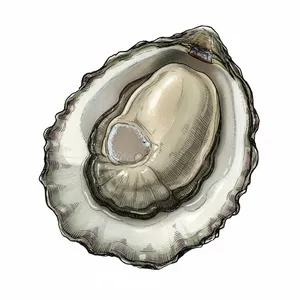
Kumamoto
US West CoastThe gateway oyster. Known for its sweet, melon-forward flavor and petite, deeply cupped shell, the Kumamoto is beloved by beginners and experts alike.

Belon
FranceThe connoisseur's choice. Complex, intensely mineral, with bold metallic and seaweed notes.
Which should you choose?
Choose the Kumamoto if you want something sweet, soft, and approachable — it is one of the gentlest oysters on the half shell. Choose the Belon if you are chasing intensity: its metallic, coppery minerality (rated 5 out of 5) is a connoisseur's flavor, not a beginner's. There is little middle ground here, which is exactly why the pairing is so instructive.
Frequently Asked Questions
Why do Kumamoto and Belon oysters taste so different?
They are different species with very different profiles. The Kumamoto (Crassostrea sikamea) is sweet and mild with low brininess, while the Belon (Ostrea edulis) is a European flat oyster prized for intense, metallic minerality and almost no sweetness.
Which is more beginner-friendly, Kumamoto or Belon?
The Kumamoto, by a wide margin. Its sweetness (4 out of 5) and low brininess (2 out of 5) make it easy to enjoy, whereas the Belon’s bold metallic flavor (minerality 5 out of 5) is an acquired taste.