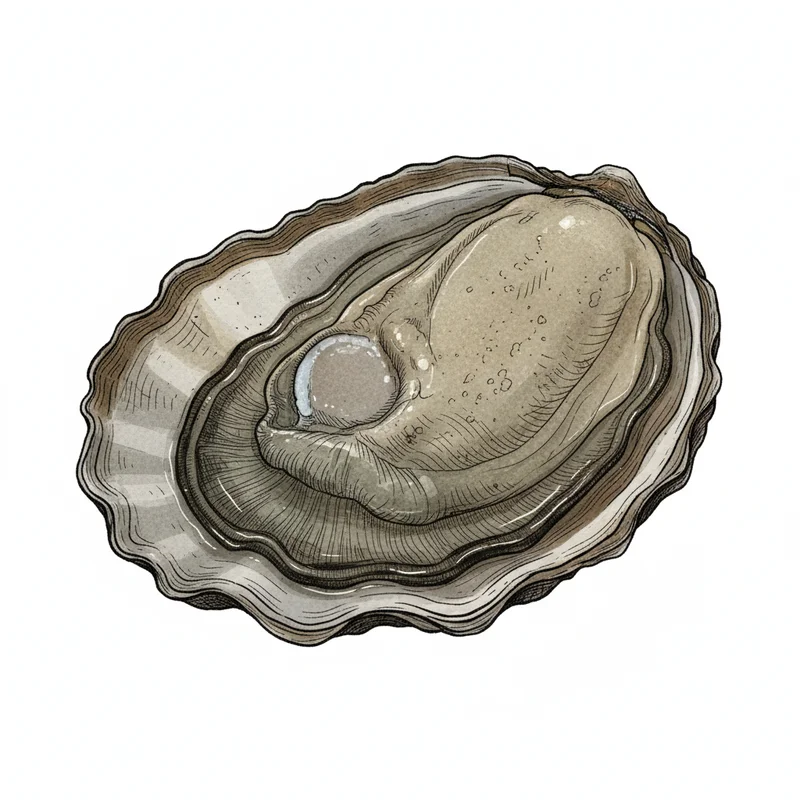
At a Glance
Belon is an European Flat oyster (Ostrea edulis) from France. It is moderately briny (3/5 brininess) and barely sweet (1/5 sweetness), with mineral, metallic flavors and a finish that is long, intense, metallic.
Flavor Profile
Finish
Long, intense, metallic
Expert Notes
The Belon is not for the faint of heart. Its intense mineral and metallic character can be challenging for newcomers but is revered by connoisseurs. The flat shell and unique European species create a flavor profile unlike any Pacific or Atlantic oyster. Origin & Characteristics
- Species
- Ostrea edulis
- Native to
- Europe
- Grown in
- Belon River, Brittany
- Size
- Large (3-4 inches)
- Shell Color
- Brown-gray
- Meat Color
- Gray-green
What Experts Say
Across 11 sources, tasters describe this oyster as:
Unique notes: zinc, umami, fish, hazelnut, seaweed, gamey, brassy
"These wild oysters are as powerful as any on the planet, redolent of fish and zinc and umami—not for the faint of heart."
powerfulfishzincumami
"The high brine so often associated with Gulf of Maine oysters is overshadowed by strong metallic and mineral tones. The Harpswell Flats possess a distinct flavor."
brinymetallicmineral
"Each Belon Oyster delivers a bold briny burst, followed by a complex wave of earthy, coppery, and mineral-rich notes—a flavor profile often described as 'intensely savory,' 'metallic,' and 'almost nutty.'"
brinyearthycopperymineralsavory
"A meaty chew, strong brine, and an intense, lingering copper finish."
meatybrinycopperintenselingering
"Belon oysters are known for their distinctive, complex flavor that sets them apart from other oyster varieties. They have a rich, briny taste with hints of seaweed and hazelnut, and a firm texture."
complexrichbrinyseaweedhazelnut
"It is brassy, in every sense of the word. Brassy because it tastes like metal, and because it is shamelessly bold, and because when it hits your tongue it slaps you awake like the opening blast of a bugler's reveille."
brassymetallicbold
"They have a large, plump texture that hits you with coppery, metallic notes, finishing with a strong, gamey flavor that lingers for many minutes."
plumpcopperymetallicgameylingering
About the Farm
Huîtrières du Château de Bélon
Est. 1864Founded in 1864 on the Belon River in Southern Brittany, the Huîtrières du Château de Bélon have been cultivating oysters for generations on the famous Belon River.
- Cultivation Method
- wild harvest
History & Background
The European Flat oyster (Ostrea edulis) originates from the Belon River in Brittany, France, where it has been celebrated since ancient times. Romans prized these oysters and transported them to Rome for consumption. Scientists brought European Flats to Boothbay Harbor, Maine, in the 1950s, and they went feral, establishing wild populations in the Gulf of Maine.
Belon is a protected designation in France, referring specifically to oysters from the Belon River. True Belon oysters from Maine are extremely rare, with only about 5,000 harvested annually, making them one of the rarest oysters in the world. They are considered the connoisseur's choice—oyster aficionados either love them or hate them.
Did You Know?
- Only about 5,000 Maine Belon oysters are harvested annually, making them one of the rarest oysters in the world
- The Glidden Midden in Maine contains oyster shells dating back over 2,000 years, some measuring a foot long
- Maine Belons are harvested by divers in scuba gear working in 10-20 feet of water, even during winter months
- Pangea Shellfish Company bands and sells over 10,000 Belons a week, contradicting the belief that they are extremely uncommon
Sources & References
This information was compiled from 11 sources.
- Belon - Maine - The Oyster Guide — oysterguide.com
- Belon Oysters - Atlantic Aqua Farms USA — atlanticaquafarms.com
- Belon Oysters - Seafood Oceano — seafoodoceano.com
- Belon Oyster - Oysterology Online — pangeashellfish.com
- The Ultimate Guide to Belon Oysters - BREIZH AMERIKA — breizh-amerika.com
- Belon Oysters - Maine - Chefs Resources — chefs-resources.com
- A Guide to The World's Oysters and What They Taste Like - Michelin Guide — guide.michelin.com
- Oyster Tasting Log - Peek and Eat — peekandeat.blogspot.com
- Where do Belon Oysters come from and are they that rare? - Pangea Shellfish — pangeashellfish.com
- Maine Belon Oysters - The Oyster Encyclopedia — oysterencyclopedia.com
- Maine Belon Oysters - Browne Trading Company — brownetrading.com
Belon: A Closer Look
- Origin
- Belon River estuary, Brittany, France (now also feral in Maine)
- Species
- European flat oyster (Ostrea edulis)
- Flavor
- Intensely metallic and coppery, briny and bold with a gamey, lingering finish
- Shell
- Flat, round, almost coin-shaped, very different from cupped oysters
- Heritage
- Prized since Roman times; 'Belon' is a protected French designation
- Rarity
- Only ~5,000 true Maine Belons harvested annually
The Belon is the connoisseur's oyster, an acquired taste that aficionados either adore or recoil from. It belongs to a different species than the familiar Atlantic and Pacific oysters: Ostrea edulis, the European flat oyster, native to the coasts of Europe and known in France as the huître plate. The name 'Belon' is, strictly speaking, a protected geographic designation referring to flat oysters finished in the Belon River estuary of southern Brittany; in the United States the same species is sold as the European Flat or Belon.
This oyster has been celebrated for millennia. During the Gallo-Roman era the flat oyster was harvested along the Atlantic coast and transported to Rome, where it was prized; the Romans reportedly called it 'callibléphares,' or 'beautiful eyelids,' a reference to the fluted edges of its shell. The European flat's modern foothold in North America came by way of science: researchers brought Ostrea edulis to the Maine coast in the mid-twentieth century, and the oysters went feral, establishing wild populations in the cold waters of the Gulf of Maine. True Maine Belons are now famously rare; sources estimate only about 5,000 are harvested annually, often by divers in scuba gear working in 10 to 20 feet of water even through the winter, which cements their status as one of the world's scarcest oysters, though some purveyors argue the European flat is more available than its mystique suggests.
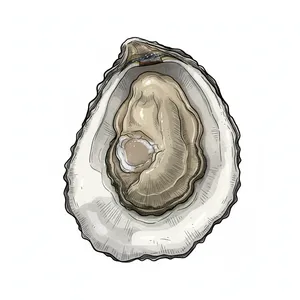
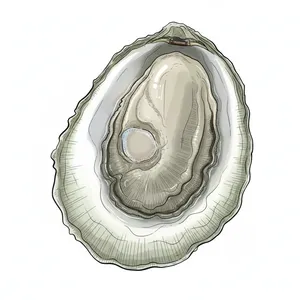
Visually, a Belon stops people in their tracks. Instead of the deep cup of a Crassostrea oyster, the flat oyster has a round, nearly coin-shaped shell, smooth and disc-like, with a plump meat sitting in a shallow saucer rather than a bowl. That shape is the easiest way to tell a true European flat from an imposter.
Its flavor is just as singular. Where most oysters lead with brine and sweetness, the Belon hits with an unmistakable metallic, coppery rush, dense with minerality and umami, sometimes described as zinc, hazelnut, seaweed, or even gamey and brassy. It is bold, savory, and not at all sweet, and the intense, almost long-lasting finish can linger on the palate for minutes. This is not a beginner's oyster; it is the one experienced eaters reach for when they want the most assertive, mineral-driven expression of the sea that an oyster can offer.
Sources for this deep dive
This deep dive was drafted from the cited sources below and is under editorial review.
- Ostrea edulis (European flat oyster) — Wikipedia
- The history of French oyster farming: A journey through time — France Naissain
- Where do Belon Oysters come from and are they that rare? — Pangea Shellfish
- Belon Oyster — Pangea Shellfish
- Belon - Maine — The Oyster Guide
- Maine Belon Oysters — Oyster Encyclopedia
- The Ultimate Guide to Belon Oysters — Breizh Amerika
Similar Oysters
European Flat
FranceA refined yet powerful oyster with distinctive metallic and coppery notes. The European species offers a bold mineral character unlike any Pacific or Atlantic oyster.
Belon (France)
FranceThe legendary European flat oyster from Brittany's Belon River. Intensely metallic with a distinctive coppery taste from high iron content. Bold, brassy, and powerful—considered the Cadillac of oysters by connoisseurs.
Belon (Maine)
US East CoastRare wild European Flat oyster harvested from Maine's cold waters. One of only 5,000 harvested annually. Intensely metallic and mineral with bold coppery flavors and umami notes—powerful and unforgettable.
Shoal Bay Flat
US West CoastThe only European Flat oyster grown on the West Coast, cultivated by the Jones family on Lopez Island. Rare and coveted, with a pleasant metallic twang, sharp mineral notes, and the crisp-clean salinity of San Juan Island waters. Exceedingly limited supply.
Bluff
New ZealandThe legendary oyster of New Zealand. Intensely mineral and briny with firm texture and complex, bold flavors from the ice-cold Foveaux Strait.
Learn More
What Is Merroir? How Water Shapes Oyster Flavor
Merroir is the marine version of terroir: how salinity, temperature, tides, and plankton in the growing water shape an oyster's flavor. The science, plus how to taste it.
Read article → Practical GuidesVibrio and Raw Oysters: A Clear-Headed Guide to Oyster Safety
Understanding Vibrio vulnificus without fear-mongering - risk factors, prevention, and when to cook
Read article → Culinary & PairingsBeyond Cocktail Sauce: The Art of the Oyster Mignonette
Classic and creative mignonette recipes engineered to complement specific oyster flavor profiles
Read article →