Kumamoto vs Blue Point
This is one of the great beginner-versus-classic matchups. The Kumamoto (Crassostrea sikamea) is a small Pacific Northwest oyster that sits low on our brininess scale at 2 out of 5, leading with sweet, melon-like notes and a creamy texture that finishes clean and gently sweet. The Blue Point (Crassostrea virginica) is a medium Eastern oyster from the US East Coast that runs much saltier at a brininess of 4, with briny, mineral primary flavors and a sharp, clean, refreshing finish. In short, you are comparing a sweet, mild, deep-cupped West Coast oyster against a brisk, sea-forward Atlantic one. They sit at opposite ends of the salt spectrum, which makes them an ideal pair for learning how much species and region shape what lands on the half shell.
| Attribute | Kumamoto | Blue Point |
|---|---|---|
| Species | Crassostrea sikamea | Crassostrea virginica |
| Region | US West Coast | US East Coast |
| Size | Small | Medium |
| Brininess | 2/5 | 4/5 |
| Sweetness | 4/5 | 2/5 |
| Minerality | 2/5 | 3/5 |
| Creaminess | 4/5 | 2/5 |
| Finish | Clean and lingering with gentle sweetness | Sharp, clean, refreshing |
| Primary flavors | Sweet, Melon | Briny, Mineral |
The oysters compared
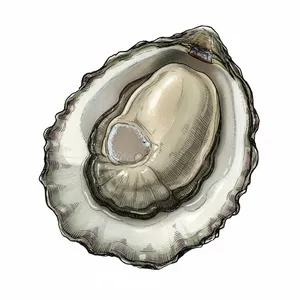
Kumamoto
US West CoastThe gateway oyster. Known for its sweet, melon-forward flavor and petite, deeply cupped shell, the Kumamoto is beloved by beginners and experts alike.
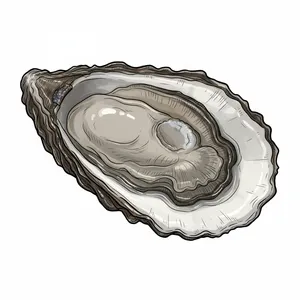
Blue Point
US East CoastThe classic Atlantic oyster. Crisp, briny, with mineral notes and a sharp, clean finish.
Which should you choose?
If you are new to oysters or simply prefer something sweet and mild, the Kumamoto is the easier pick: at a brininess of 2 with a sweetness of 4, it is gentle and approachable. If you want the bracing, salty hit that built the classic American raw bar, the Blue Point delivers it at a brininess of 4. Many tasting flights pour both precisely because they bracket the range.
Frequently Asked Questions
Is a Kumamoto or a Blue Point better for beginners?
The Kumamoto is usually the friendlier choice for beginners. It is low in brininess (2 out of 5) and notably sweet, with a creamy texture, whereas the Blue Point is saltier (brininess 4) with a sharper, more sea-forward profile.
What is the main difference between a Kumamoto and a Blue Point?
They are different species from different coasts. The Kumamoto (Crassostrea sikamea) is a small, sweet, low-brine Pacific Northwest oyster, while the Blue Point (Crassostrea virginica) is a medium, briny Eastern oyster from the US East Coast.
Which one is saltier?
The Blue Point is saltier, rating 4 out of 5 on our brininess scale compared with the Kumamoto’s 2 out of 5.