Kumamoto vs Kusshi
These two small oysters often appeal to the same diner, but they get there by different routes. The Kumamoto (Crassostrea sikamea) is a small US West Coast oyster with sweet and melon primary flavors, low brininess and minerality (2 each), creaminess of 4, and a clean, lingering finish with gentle sweetness. The Kusshi (Crassostrea gigas) is a small Canada West Coast oyster with clean, delicate, and briny primary flavors, a brininess of 3, sweetness of 3, minerality of 2, creaminess of 4, and a clean finish with mild fruity notes. The Kumamoto is the sweeter, softer entry point. Kusshi is still mild and creamy, but its extra point of brine and cleaner, more delicate flavor make it feel a little more precise.
| Attribute | Kumamoto | Kusshi |
|---|---|---|
| Species | Crassostrea sikamea | Crassostrea gigas |
| Region | US West Coast | Canada West Coast |
| Size | Small | Small |
| Brininess | 2/5 | 3/5 |
| Sweetness | 4/5 | 3/5 |
| Minerality | 2/5 | 2/5 |
| Creaminess | 4/5 | 4/5 |
| Finish | Clean and lingering with gentle sweetness | Clean with mild fruity notes |
| Primary flavors | Sweet, Melon | Clean, Delicate, Briny |
The oysters compared
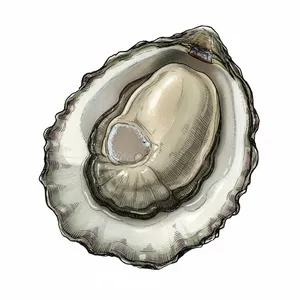
Kumamoto
US West CoastThe gateway oyster. Known for its sweet, melon-forward flavor and petite, deeply cupped shell, the Kumamoto is beloved by beginners and experts alike.
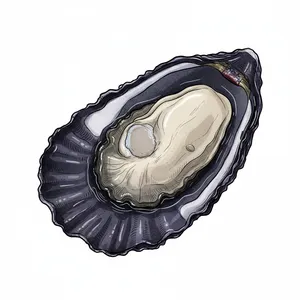
Kusshi
Canada West CoastThe 'ultimate' tumbled oyster. Intensively shaped in mechanical drums to create a smooth, purple-black shell with an exceptionally deep cup and pillowy meat. Clean, delicate flavor with mild brininess.
Which should you choose?
Choose Kumamoto if you want the sweeter, melon-forward oyster: sweetness 4 with brininess 2. Choose Kusshi if you want a small, creamy oyster that stays clean and delicate but carries a bit more salt at brininess 3. Both rate creaminess 4 and are easy to recommend to beginners.
Frequently Asked Questions
Are Kumamoto and Kusshi oysters the same species?
No. Kumamoto is Crassostrea sikamea from the US West Coast, while Kusshi is Crassostrea gigas from the Canada West Coast.
Which is sweeter, Kumamoto or Kusshi?
Kumamoto is sweeter, rating 4 out of 5 on sweetness compared with Kusshi at 3 out of 5.
Which is brinier?
Kusshi is brinier at 3 out of 5, while Kumamoto rates 2 out of 5. Both are small oysters with creaminess of 4.