Kusshi
Crassostrea gigas
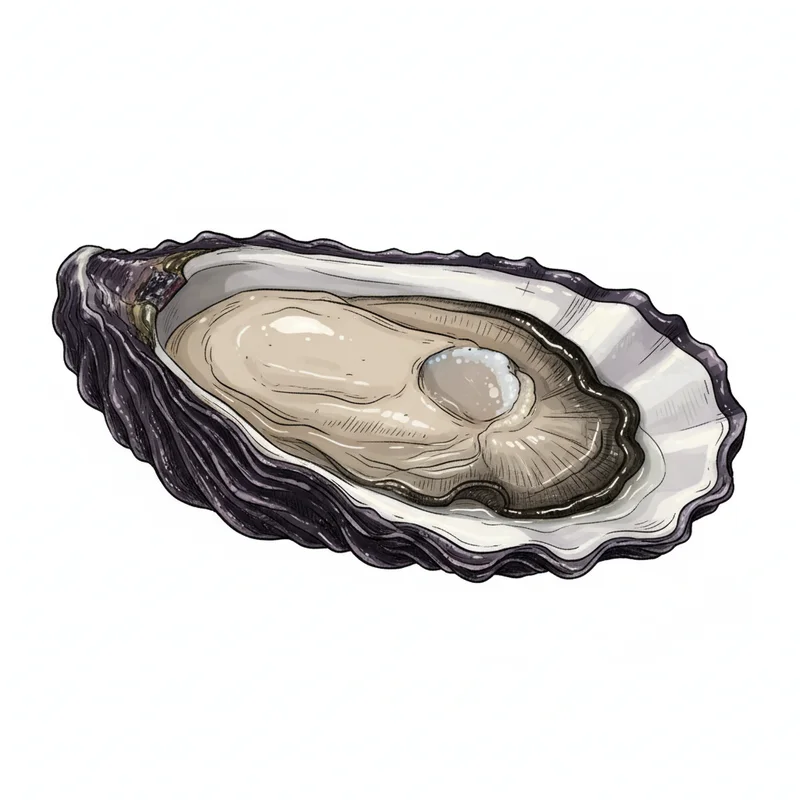
The 'ultimate' tumbled oyster. Intensively shaped in mechanical drums to create a smooth, purple-black shell with an exceptionally deep cup and pillowy meat. Clean, delicate flavor with mild brininess.
At a Glance
Kusshi is a Pacific oyster (Crassostrea gigas) from the Canada West Coast. It is moderately briny (3/5 brininess) and moderately sweet (3/5 sweetness), with clean, delicate, briny flavors and a finish that is clean with mild fruity notes. It is considered a beginner-friendly oyster.
Flavor Profile
Finish
Clean with mild fruity notes
Expert Notes
The Kusshi, meaning 'precious' or 'ultimate' in Japanese, is a Pacific oyster transformed through intensive tumbling. This unique process creates an unnaturally deep cup with pillowy, abundant meat that practically spills from the shell. The aggressive tumbling produces a remarkably clean, delicate flavor—more briny than a Kumamoto but similarly mild and approachable, with a subtle fruity finish that keeps it interesting. Origin & Characteristics
- Species
- Crassostrea gigas
- Native to
- Japan
- Grown in
- Deep Bay, Vancouver Island, BC, Baynes Sound, BC
- Size
- Small (2-2.5 inches)
- Shell Color
- Smooth purple-black
- Meat Color
- White to cream
What Experts Say
Across 10 sources, tasters describe this oyster as:
Unique notes: lettuce, pillowy, fruity, ivory opacity
"Still a rarity on East Coast menus, Kusshis are all the rage out West, due to their small size and ultra-clean flavor. The depth and pillowy softness inside make the Kusshi resemble a Kumamoto, but it's a plain-old Pacific that's been tumbled into bonsai form."
cleanpillowymild
"Like butter. It had a lot of sea in the aroma, a deep cleft (as all Kusshis do), and a surprisingly white shell; other Kusshis I've had have been purple-black. Whatever the shell color, Kusshis are some of the most reliable oysters you'll find anywhere."
butterybriny
"Kusshi was the original tumbled oyster. It's tossed into a high-tech mechanical drum every week or two so it gets as smooth and curved as a golf ball. This also makes the meat full, firm, and mild."
mildfullfirm
"This oyster was clean and crisp, with notes of lettuce and cucumber. Some people don't like oysters that taste like veggies, but I think it's fantastic!"
cleancrispcucumberlettuce
"Decent salt content with a meaty chew and a bright and intense cucumber finish."
saltymeatycucumberbrightintense
"Kusshis start off with an ocean-fresh taste of salinity, transition into sweetness, and then finish with a fruity cucumber flavor. The meat has an ivory opacity to it, the texture is creamy and plump."
saltysweetcucumberfruitycreamy
"They have an exquisite flavor that starts off salty, transitions to sweet, and finishes with a delightfully mild fruity taste."
saltysweetfruitymilddelicate
About the Farm
Stellar Bay Shellfish Ltd.
Founded by Keith Reid, a highly innovative grower in Deep Bay, British Columbia. Reid pioneered the tumbled oyster technique, creating the original Kusshi oyster with its distinctive smooth, cornucopia-shaped shell through intensive mechanical tumbling.
- Cultivation Method
- suspended culture
- Certifications
- Ocean Wise
History & Background
The Kusshi was the original tumbled oyster on the market, immediately recognizable for its smooth, polished, cornucopia-shaped shell. It pioneered the tide tumbling technique that has since been adopted by other oyster farms.
The name 'Kusshi' derives from the Japanese term for 'ultimate' or 'precious,' reflecting the exceptional quality and careful cultivation process. Still a rarity on East Coast menus, Kusshis are all the rage out West.
Did You Know?
- Kusshi oysters are tumbled in high-tech mechanical drums every week or two to achieve their smooth, golf-ball shaped shells
- The intensive tumbling process creates an exceptionally deep cup that resembles a Kumamoto oyster
- The shells are purple-black in color, though some variations show surprisingly white shells
- Grown in floating trays in the nutrient-rich waters of Deep Bay, British Columbia
Sources & References
This information was compiled from 10 sources.
- Kusshi - British Columbia - The Oyster Guide — oysterguide.com
- Keith Reid - Vancouver Island Shellfish Grower - Kusshi Oysters — industrialplankton.com
- Oyster Farm | Quality & Cultivation of Kusshi Oysters, Deep Bay, BC — kusshioysters.com
- Kusshi Oyster — Oysterology Online | Pangea Shellfish Company — pangeashellfish.com
- Kusshi Oysters by the dozen - Origin Catch — origincatch.com
- Oyster Tasting Log - Peek & Eat — peekandeat.blogspot.com
- Kusshi Oyster Flavor Profile | Pacific NW Oyster - Chefs Resources — chefs-resources.com
- An Expert's Guide to Canadian Live Oysters - Intercity Packers — intercitypackers.ca
- How to Tumble an Oyster - The Oyster Guide — oysterguide.com
- Our Shellfish | Fanny Bay Oysters, British Columbia — fannybayoysters.com
Kusshi: A Closer Look
- Origin
- Deep Bay / Baynes Sound, Vancouver Island, British Columbia
- Species
- Pacific oyster (Crassostrea gigas)
- Grower
- Stellar Bay Shellfish Ltd., founded by Keith Reid
- Signature
- The original tumbled oyster: smooth, deep-cupped shell from mechanical tumbling
- Flavor
- Clean and mild with cucumber, melon and buttery sweetness; low brine
- Name
- From the Japanese for 'ultimate' or 'precious'
The Kusshi is proof that how an oyster is grown can matter as much as where. It is a Pacific oyster, Crassostrea gigas, but it is shaped into something distinctive by the hand of its maker. The Kusshi was the original tumbled oyster on the market, immediately recognizable for its smooth, polished, cornucopia-shaped shell and exceptionally deep cup. Its name comes from the Japanese word for 'ultimate' or 'precious,' a nod to the painstaking process behind it.
That process is the work of Keith Reid, who grew up picking oysters off the beach with his father on Vancouver Island and went on to found Stellar Bay Shellfish Ltd. Reid pioneered an intensive mechanical tumbling technique, gently rattling the oysters in high-tech drums every week or two as they grow in the cold, nutrient-rich waters of Deep Bay in Baynes Sound, British Columbia. Each tumble chips away the thin, frilly new shell growth, forcing the oyster to thicken its shell and deepen its cup rather than spreading out and growing long. The result is a small, hard-shelled oyster with a remarkably deep, rounded cup that mimics the prized shape of a Kumamoto, and which Reid's farm grades by size down to the millimeter. The same grower's larger oyster, the Stellar Bay, is simply a Kusshi allowed to get a bit bigger. The tide-tumbling method Reid refined has since been adopted by farms up and down the coast.
Suspended in floating trays rather than grown on the seafloor, Kusshis stay clean and develop plump, ivory meat. That deep cup leaves little room for liquor, so what you get is mostly meat: a generous, pillowy bite that practically fills the shell.
On the palate the Kusshi is mild, clean, and elegant, with low brininess and a soft, almost buttery sweetness. Tasters consistently pull out cucumber and watermelon-rind notes, sometimes a touch of lettuce or melon, finishing fresh and delicate. It is a top choice for people who prefer gentle, low-salt oysters, and like the Kumamoto it makes an excellent introduction for newcomers, even as its refined shape and clean flavor keep it a favorite on West Coast raw bars.
Sources for this deep dive
This deep dive was drafted from the cited sources below and is under editorial review.
- Kusshi Oyster — Pangea Shellfish
- Kusshi - British Columbia — The Oyster Guide
- Stellar Bay - British Columbia — The Oyster Guide
- Keith Reid - Vancouver Island Shellfish Grower — Industrial Plankton
- Keith Reid — Eat BC Oysters
- Oyster Farm: Quality & Cultivation of Kusshi Oysters — Kusshi Oysters
- How to Tumble an Oyster — The Oyster Guide
Similar Oysters
Buckley Bay
Canada West CoastA premium Pacific oyster from Baynes Sound, British Columbia. Tray-raised and beach-hardened for firm meats and strong shells. Balanced brininess with distinctive melon and cucumber finish.
Evening Cove
Canada West CoastBeach cultured Pacific oyster from Vancouver Island's Evening Cove. Features firm meats with a clean, mildly briny flavor and distinctive watermelon finish. Beautiful fluted shells make for elegant presentations.
Sawmill Bay
Canada West CoastSustainably farmed Pacific oyster from British Columbia's glacier-fed Discovery Islands. Medium-sized with firm texture, balanced brininess and sweetness, and a crisp, clean finish with subtle umami notes.
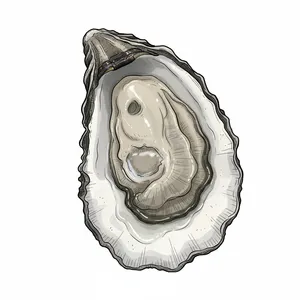
Gigamoto
Canada West CoastA petite farm-raised Pacific oyster from Deep Bay, British Columbia. Small and delicate with balanced brine and sweetness, finishing with distinctive slightly smoky, vegetable-like notes.
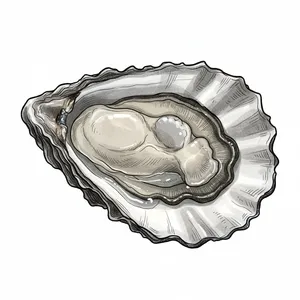
Komo Gway
Canada West CoastBeach-grown Pacific oyster from Baynes Sound on Vancouver Island. Clean, briny flavor with firm texture, subtle cucumber notes, and a slightly sweet finish. Harvested from the traditional territory of the K'ómoks First Nation.
Learn More
The Big Five: A Complete Guide to Commercial Oyster Species
Comprehensive guide to C. virginica (Atlantic), C. gigas (Pacific), C. sikamea (Kumamoto), O. lurida (Olympia), and O. edulis (European Flat)
Read article → Biology & SpeciesThe Pacific Oyster (C. gigas): Cream, Cucumber, and the Japanese Legacy
Understanding the world's most cultivated oyster - from Japanese origins to West Coast dominance
Read article → Merroir & EnvironmentWhat Is Merroir? How Water Shapes Oyster Flavor
Merroir is the marine version of terroir: how salinity, temperature, tides, and plankton in the growing water shape an oyster's flavor. The science, plus how to taste it.
Read article →