Kumamoto vs Miyagi
Both of these West Coast favorites trace their ancestry to Japan, yet they are different species with distinct personalities. The Kumamoto (Crassostrea sikamea) is a small oyster from the Pacific Northwest with sweet and melon primary flavors, a sweetness of 4, a low brininess of 2, and a clean, lingering finish with gentle sweetness. The Miyagi (Crassostrea gigas), grown on the US West Coast, is medium-large and meatier, leading with nutty, crisp, and briny notes at a brininess of 3 and a sweetness of 3, finishing clean and crisp with lingering fruit and vegetal hints of lettuce and melon rind. Both are deep-cupped, creamy (4 out of 5 each), and beginner-friendly. The Kumamoto is the sweeter, gentler bite; the Miyagi is fuller-bodied and more balanced, with a touch more salt and a distinctive nutty streak.
| Attribute | Kumamoto | Miyagi |
|---|---|---|
| Species | Crassostrea sikamea | Crassostrea gigas |
| Region | US West Coast | US West Coast |
| Size | Small | Medium-Large |
| Brininess | 2/5 | 3/5 |
| Sweetness | 4/5 | 3/5 |
| Minerality | 2/5 | 2/5 |
| Creaminess | 4/5 | 4/5 |
| Finish | Clean and lingering with gentle sweetness | Clean, crisp with lingering fruit and vegetal notes |
| Primary flavors | Sweet, Melon | Nutty, Crisp, Briny |
The oysters compared
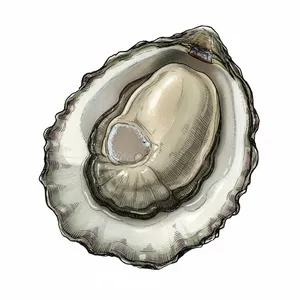
Kumamoto
US West CoastThe gateway oyster. Known for its sweet, melon-forward flavor and petite, deeply cupped shell, the Kumamoto is beloved by beginners and experts alike.
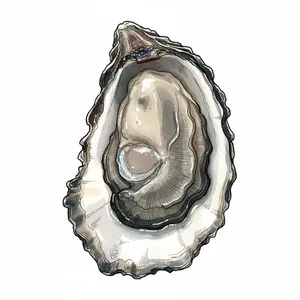
Miyagi
US West CoastA Pacific Northwest favorite with Japanese heritage. Full-bodied and meaty with a crisp, nutty flavor, mild brine, and balanced fruit and vegetal notes.
Which should you choose?
Choose the Kumamoto if sweetness is the priority — at a sweetness of 4 and brininess of 2, it is the classic first oyster. Choose the Miyagi if you want something meatier and more balanced, with nutty, crisp flavors and a bit more brine (3 out of 5). Both are creamy, deep-cupped, and easy to love, so this is one of the friendliest head-to-heads on the West Coast.
Frequently Asked Questions
Are Kumamoto and Miyagi oysters the same species?
No. The Kumamoto is Crassostrea sikamea and the Miyagi is the Pacific oyster, Crassostrea gigas. Both originated in Japan and are now farmed on the US West Coast.
Which is sweeter, a Kumamoto or a Miyagi?
The Kumamoto, rating 4 out of 5 on sweetness with melon-forward flavor, versus the Miyagi’s 3 out of 5. The Miyagi compensates with nutty, crisp notes and a slightly brinier profile.
Which is bigger?
The Miyagi is medium-large at 2.5-3 inches, while the Kumamoto is small at 1.5-2.5 inches.