Malpeque vs Beausoleil
Both of these are Canadian Eastern oysters (Crassostrea virginica), but they could hardly differ more in intensity. The Malpeque, from Prince Edward Island, is one of the saltiest oysters in our guide at the maximum brininess of 5, with briny and crisp primary flavors and a sharp, lingering brine on the finish. The Beausoleil, a small oyster from Canada's East Coast, sits far gentler at a brininess of 2 with a sweetness of 3, leading with mild brine, sweet, and yeasty notes and finishing clean, bright, and refined with subtle slate hints. The Malpeque is bracing and assertive; the Beausoleil is petite, polished, and easygoing. Same country, same species, opposite ends of the salt scale.
| Attribute | Malpeque | Beausoleil |
|---|---|---|
| Species | Crassostrea virginica | Crassostrea virginica |
| Region | Canada East Coast | Canada East Coast |
| Size | Medium | Small |
| Brininess | 5/5 | 2/5 |
| Sweetness | 1/5 | 3/5 |
| Minerality | 3/5 | 2/5 |
| Creaminess | 2/5 | 4/5 |
| Finish | Sharp, lingering brine | Clean, bright, refined with subtle slate notes |
| Primary flavors | Briny, Crisp | Mild Brine, Sweet, Yeasty |
The oysters compared
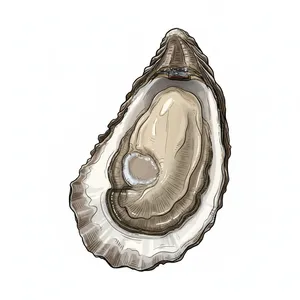
Malpeque
Canada East CoastCanadian icon. Bright salinity, plump meat, crisp and clean.
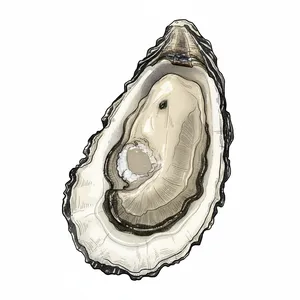
Beausoleil
Canada East CoastThe perfect starter oyster from New Brunswick's Miramichi Bay. Small, refined, and elegantly mild with yeasty notes, subtle hazelnut sweetness, and a creamy texture. Farmed in floating trays that ensure pristine, uniform shells.
Which should you choose?
If you love a big, sharp hit of the sea, the Malpeque is the bolder choice at the top of our brininess scale (5 out of 5). If you prefer something small, refined, and mild, the Beausoleil is the gentler pick (brininess 2). Both reward the half shell with nothing more than their own liquor.
Frequently Asked Questions
Which is saltier, a Malpeque or a Beausoleil?
The Malpeque is far saltier, rating the maximum 5 out of 5 on brininess, while the Beausoleil is mild at 2 out of 5.
Are Malpeque and Beausoleil oysters from the same place?
Both are Canadian Eastern oysters (Crassostrea virginica). The Malpeque comes from Prince Edward Island, while the Beausoleil is grown on Canada’s East Coast, and they sit at opposite ends of the brininess scale.