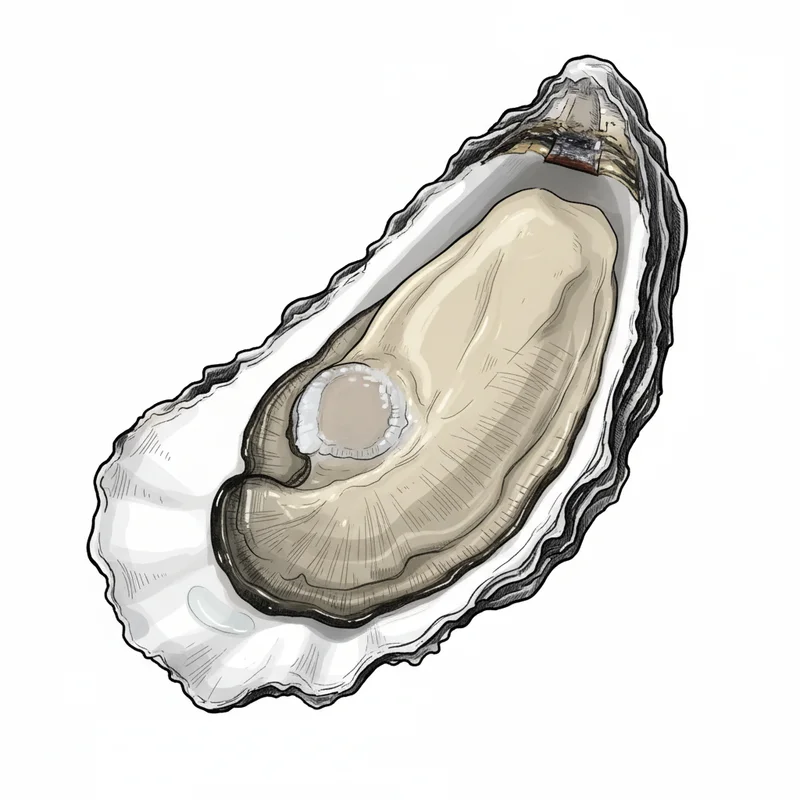
Beausoleil
Crassostrea virginica
The perfect starter oyster from New Brunswick's Miramichi Bay. Small, refined, and elegantly mild with yeasty notes, subtle hazelnut sweetness, and a creamy texture. Farmed in floating trays that ensure pristine, uniform shells.
At a Glance
Beausoleil is an Eastern oyster (Crassostrea virginica) from the Canada East Coast. It is mildly briny (2/5 brininess) and moderately sweet (3/5 sweetness), with mild brine, sweet, yeasty flavors and a finish that is clean, bright, refined with subtle slate notes. It is considered a beginner-friendly oyster.
Flavor Profile
Finish
Clean, bright, refined with subtle slate notes
Expert Notes
Beausoleil oysters are the quintessential starter oyster, offering a refined and approachable experience. Farmed in floating trays in the ice-cold waters of Miramichi Bay, these petite oysters develop a distinctive yeasty, warm-bread aroma reminiscent of good Champagne, complemented by hints of hazelnut. Their creamy, buttery texture and light-bodied meat deliver gentle brine with subtle sweetness, making them accessible to novices while sophisticated enough to satisfy connoisseurs who appreciate delicate complexity. Origin & Characteristics
- Species
- Crassostrea virginica
- Native to
- USA
- Grown in
- Miramichi Bay, New Brunswick
- Size
- Small (2.5-3 inches)
- Shell Color
- White with black crescent
- Meat Color
- Light cream
What Experts Say
Across 9 sources, tasters describe this oyster as:
Unique notes: warm-bread aroma, champagne-like, cucumber, celery, green melon, seafood-umami
"The flavor is refined and light, like a Caraquet, but with a bit more brine, and something of the yeasty warm-bread aroma you get with good Champagne. This makes them the perfect starter oyster."
refinedlightbrinyyeastywarm-bread
"BeauSoleil oysters offer both salty and sweet tastes with hints of hazelnut, while offering a full and firm flesh."
saltysweethazelnutfullfirm
"BeauSoleils had moderate salinity, a springy texture, and a delicious seafood-umami quality that ended with a moderately long finish."
moderate salinityspringyseafood-umamimoderately long finish
"The experience is delicate, offering a balanced medium brine that evolves into a distinct yeast-like sweetness. Think a sip of Champagne or the aroma of warm, freshly baked bread. You won't find any overwhelming ocean funk here, just a crisp, clean finish that invites another taste."
delicatemedium brineyeast-like sweetnesschampagnewarm bread
"Exquisite flavor with a bright clean mild brine complimented with slight notes of cucumber, celery & green melon."
brightcleanmild brinecucumbercelery
"Plump and light with a slaty finish"
plumplightslaty finish
"We tried these and were amazed at the briny, soft, almost bread-like flavor – delicate but not without depth and character. A bit more sophisticated yet exactly what you want an oyster to be."
brinysoftbread-likedelicatedepth
"While the Beau Soleil (or Beausoleil) oyster never touch the sea floor, their taste is quite 'earthy' to me. They have immaculate shells that are tough and bright. They have a distinctive, almost pungent flavor."
earthydistinctivepungent
About the Farm
Maison BeauSoleil
Developed by the owners of Maison BeauSoleil, the oysters are cultured in floating bags mounted a few centimeters below water surface along the rich and cold North Atlantic waters.
- Cultivation Method
- floating bags
History & Background
The name 'Beau Soleil' is French for 'beautiful sun,' reflecting their origin in the sun-drenched surface waters of Miramichi Bay. These oysters can take 4-6 years to reach cocktail size due to the extremely cold northern waters.
Widely considered the perfect starter oyster in North America, Beausoleils have become a staple in raw bars and are frequently recommended for novice oyster eaters.
Did You Know?
- Harvested by cutting holes in ice up to five feet thick with chainsaws during winter months
- Suspended just below the surface in floating trays, they never touch the sea floor
- Their shells are so uniform they almost look stamped out by machine
- Half the year they grow near the surface, the other half they are dropped deeper to ride out the winter
Sources & References
This information was compiled from 9 sources.
- Beausoleil - New Brunswick - The Oyster Guide — oysterguide.com
- Beausoleil Oyster Reviews — oysterater.com
- BeauSoleil Oysters — atlanticaquafarms.com
- A Closer Look at Beausoleil & Belle du Jour Oysters — inahalfshell.com
- A Guide to Isla's Raw Bar: Flavor Profiles & Origin — islasonthesquare.com
- Beausoleil Oysters — eurousa.com
- Beausoleil Oyster - Chefs Resources — chefs-resources.com
- A technique in harmony with nature — maisonbeausoleil.ca
- Oyster Tasting Log — peekandeat.blogspot.com
Beausoleil: A Closer Look
- Origin
- Miramichi Bay, New Brunswick, Canada (near Neguac)
- Species
- Eastern oyster (Crassostrea virginica)
- Grower
- Maison BeauSoleil
- Name
- French for 'beautiful sun'
- Flavor
- Light brine and clean sweetness with a yeasty, bread-like, almost champagne note
- Cultivation
- Suspended floating bags just below the surface; never touch the seafloor
The Beausoleil is one of North America's most beloved starter oysters, a small, tidy bivalve from some of the coldest water an Eastern oyster can endure. It is grown in Miramichi Bay in northeastern New Brunswick, near the town of Neguac, by Maison BeauSoleil, whose name means 'beautiful sun' in French, a nod to the sun-drenched surface waters where the oysters spend much of their lives. This is about as far north as the Eastern oyster, Crassostrea virginica, can be pushed; only nearby Caraquet sits farther up the coast.
The growing method is what shapes the Beausoleil's character. Rather than resting on the seafloor, the oysters are cultured in floating bags and trays suspended just a few centimeters below the surface, where they are constantly jostled by waves and tides. That gentle, perpetual motion tumbles them against one another, producing remarkably uniform, smooth shells, so uniform, tasters joke, that they look stamped out by machine. For roughly half the year they ride near the warm, food-rich surface; when the brutal Canadian winter arrives, growers drop the gear deeper so the oysters can wait out the cold, and harvest crews famously cut holes through ice up to five feet thick with chainsaws to retrieve them. Because the water is so cold, the oysters grow slowly, often taking four to six years to reach a small cocktail size.
That slow, suspended cultivation yields a petite, clean oyster with a shallow cup and a delicate constitution. The Beausoleil is small and easy to eat in a single, refined bite.
On the palate it is gentle and food-friendly: a light, crisp brine balanced by a clean sweetness and a soft, supple texture. Its signature, repeatedly noted by tasters, is an unexpectedly yeasty, bread-like quality, sometimes described as a warm-bread aroma or even a champagne-like character, layered with cucumber, celery, green melon, and a faint hazelnut note. Delicate but not without depth, the Beausoleil is consistently recommended to novice oyster eaters and is a fixture of raw bars across the continent, the kind of oyster that turns first-timers into devotees.
Sources for this deep dive
This deep dive was drafted from the cited sources below and is under editorial review.
- Beausoleil - New Brunswick — The Oyster Guide
- Beausoleil Oyster — Chefs Resources
- A technique in harmony with nature — Maison BeauSoleil
- Tasting New Brunswick: A Closer Look at Beausoleil & Belle du Jour Oysters — In A Half Shell
- Beausoleil Oyster Reviews — Oysterater
- BeauSoleil Oysters — Atlantic Aqua Farms USA
Similar Oysters
Conway Cup
Canada East CoastA deeply cupped Prince Edward Island oyster from Cascumpec Bay. Sweet and delicate with mild brininess and a clean finish. Bottom-grown on sandy substrate for firm, full meats.
Northumberland
Canada East CoastClean, mild oyster from the Northumberland Strait between PEI and New Brunswick. Mildly sweet with balanced brine and a cool finish. Known for their larger size and light, firm texture shaped by nutrient-rich Atlantic waters.
Daisy Bay
Canada East CoastA well-balanced Prince Edward Island oyster grown wild in red bay mud. Leads with bright salinity and finishes with mild cucumber smoothness and sweet notes. Cultivated for 4-6 years in pristine northern waters.
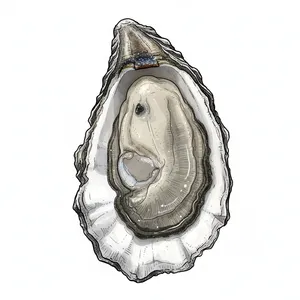
La Saint Simon
Canada East CoastSmall, delicate oyster from New Brunswick's Acadian Peninsula. Suspension-cultured with a firm texture, medium brininess, and a distinctive sweet-citrus finish that showcases the Maritime's refined oyster style.
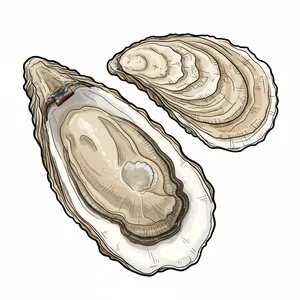
Ruisseau
Canada East CoastTray-grown Eastern oyster from Eel Lake, Nova Scotia. Sweet and rich with mild salinity, ivory flesh, and a clean finish. Highly prized in Canada's Maritimes and Quebec, rarely found outside the region.
Learn More
The Big Five: A Complete Guide to Commercial Oyster Species
Comprehensive guide to C. virginica (Atlantic), C. gigas (Pacific), C. sikamea (Kumamoto), O. lurida (Olympia), and O. edulis (European Flat)
Read article → Biology & SpeciesThe Atlantic Oyster (C. virginica): From Maritime Brine to Gulf Sweetness
Deep dive into America's indigenous East Coast oyster - flavor profiles, regional variations, and famous varieties
Read article → Merroir & EnvironmentWhat Is Merroir? How Water Shapes Oyster Flavor
Merroir is the marine version of terroir: how salinity, temperature, tides, and plankton in the growing water shape an oyster's flavor. The science, plus how to taste it.
Read article →