Miyagi vs Kusshi
This is a same-species study: both the Miyagi and the Kusshi are Pacific oysters (Crassostrea gigas) with Japanese roots, shaped into different experiences by how and where they are grown. The Miyagi, from the US West Coast, is medium-large with nutty, crisp, and briny primary flavors and a clean, crisp finish carrying lingering fruit and vegetal notes of lettuce and melon rind. The Kusshi, from Deep Bay and Baynes Sound in British Columbia, is small and intensively tumbled, producing a smooth purple-black shell, an exceptionally deep cup, and a remarkably clean, delicate, briny flavor that finishes with mild fruity notes. Their core numbers are strikingly close — both rate a brininess of 3, sweetness of 3, minerality of 2, and creaminess of 4 — so the contrast is really about character: the Miyagi is fuller and more flavorful with its distinctive nutty streak, while the Kusshi is smaller, cleaner, and more polished.
| Attribute | Miyagi | Kusshi |
|---|---|---|
| Species | Crassostrea gigas | Crassostrea gigas |
| Region | US West Coast | Canada West Coast |
| Size | Medium-Large | Small |
| Brininess | 3/5 | 3/5 |
| Sweetness | 3/5 | 3/5 |
| Minerality | 2/5 | 2/5 |
| Creaminess | 4/5 | 4/5 |
| Finish | Clean, crisp with lingering fruit and vegetal notes | Clean with mild fruity notes |
| Primary flavors | Nutty, Crisp, Briny | Clean, Delicate, Briny |
The oysters compared
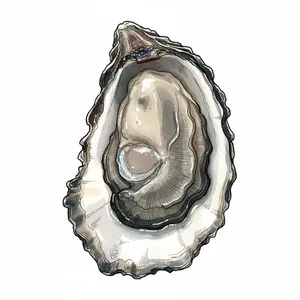
Miyagi
US West CoastA Pacific Northwest favorite with Japanese heritage. Full-bodied and meaty with a crisp, nutty flavor, mild brine, and balanced fruit and vegetal notes.
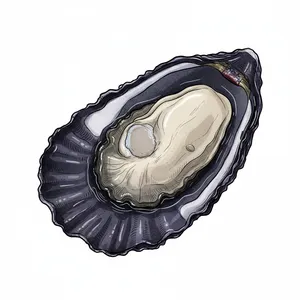
Kusshi
Canada West CoastThe 'ultimate' tumbled oyster. Intensively shaped in mechanical drums to create a smooth, purple-black shell with an exceptionally deep cup and pillowy meat. Clean, delicate flavor with mild brininess.
Which should you choose?
With identical ratings across brininess, sweetness, minerality, and creaminess, this choice is about texture and expression rather than intensity. Take the Miyagi for a bigger, meatier oyster with nutty, vegetal complexity. Take the Kusshi for a petite, tumbled oyster whose clean, delicate flavor and pillowy meat feel almost engineered for elegance. Both are beginner-friendly, so you truly cannot go wrong.
Frequently Asked Questions
What is the difference between a Miyagi and a Kusshi?
Both are Pacific oysters (Crassostrea gigas), and they share identical flavor ratings in our data (brininess 3, sweetness 3, minerality 2, creaminess 4). The Miyagi is medium-large and nutty with vegetal notes, while the Kusshi is a small, intensively tumbled British Columbia oyster with a cleaner, more delicate flavor and a deep cup.
Why do Kusshi oysters have such a deep cup?
Kusshi oysters are shaped through intensive mechanical tumbling, which creates an unnaturally deep cup with pillowy, abundant meat and a smooth purple-black shell.