Olde Salt vs Gulf Coast
Both of these are the Eastern oyster (Crassostrea virginica), yet salinity turns one species into two opposite experiences. The Olde Salt, grown off Chincoteague Island in Virginia, lives up to its name — a maximum brininess of 5, with briny, bold, and ocean-forward primary flavors, a minerality of 4, and a smooth, clean follow-through, all thanks to the direct influx of salty Atlantic water. The Gulf Coast oyster, wild-harvested from the warm, low-salinity Gulf of Mexico, is its calm counterpart: a low brininess of 2, mild and clean primary flavors, a creaminess of 4, and a mild, soft, mineral-forward finish. The Olde Salt is a medium, deep-cupped oyster (2.5-4 inches) built for intensity; the Gulf Coast is a large (3-5 inches), soft, mild oyster built for everyday enjoyment and cooking.
| Attribute | Olde Salt | Gulf Coast |
|---|---|---|
| Species | Crassostrea virginica | Crassostrea virginica |
| Region | US East Coast | US Gulf Coast |
| Size | Medium | Large |
| Brininess | 5/5 | 2/5 |
| Sweetness | 2/5 | 2/5 |
| Minerality | 4/5 | 3/5 |
| Creaminess | 2/5 | 4/5 |
| Finish | Smooth, clean follow-through | Mild, soft, mineral-forward |
| Primary flavors | Briny, Bold, Ocean-forward | Mild, Clean |
The oysters compared
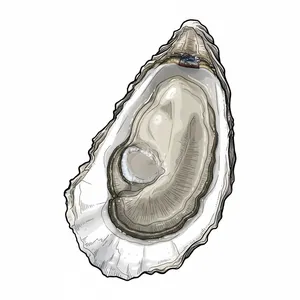
Olde Salt
US East CoastRack and bag cultured oyster from Chincoteague Bay, Virginia. Bold, intensely briny with the truest taste of the ocean, thanks to direct Atlantic water influx. Smooth, clean finish despite high salinity.
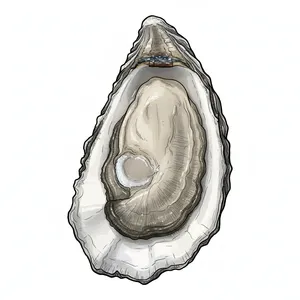
Gulf Coast
US Gulf CoastWild-harvested oyster from the warm Gulf of Mexico. Large, mild, and creamy with low salinity and soft texture. The affordable, all-purpose oyster that built America's oyster culture—perfect for cooking.
Which should you choose?
Choose the Olde Salt if you want a bold, intensely briny oyster with the truest taste of the ocean (brininess 5, minerality 4) — it is aimed at connoisseurs and salt-lovers. Choose the Gulf Coast if you prefer something mild, creamy, and approachable (brininess 2, creaminess 4); it is beginner-friendly and a favorite for cooked preparations. One is a jolt of the Atlantic, the other a soft, all-purpose crowd-pleaser.
Frequently Asked Questions
Which is saltier, an Olde Salt or a Gulf Coast oyster?
The Olde Salt, by a wide margin. It rates the maximum 5 out of 5 on brininess with bold, ocean-forward flavor, while the Gulf Coast is mild at 2 out of 5.
Are Olde Salt and Gulf Coast oysters the same species?
Yes — both are the Eastern oyster, Crassostrea virginica. The flavor gap comes from their waters: the intensely salty Atlantic influx off Chincoteague, Virginia, versus the warm, low-salinity Gulf of Mexico.
Is one better for cooking?
The Gulf Coast oyster is especially well suited to cooked preparations — its large size, creamy texture, and mild flavor make it ideal for grilling, frying, and oyster feeds, per our expert notes.