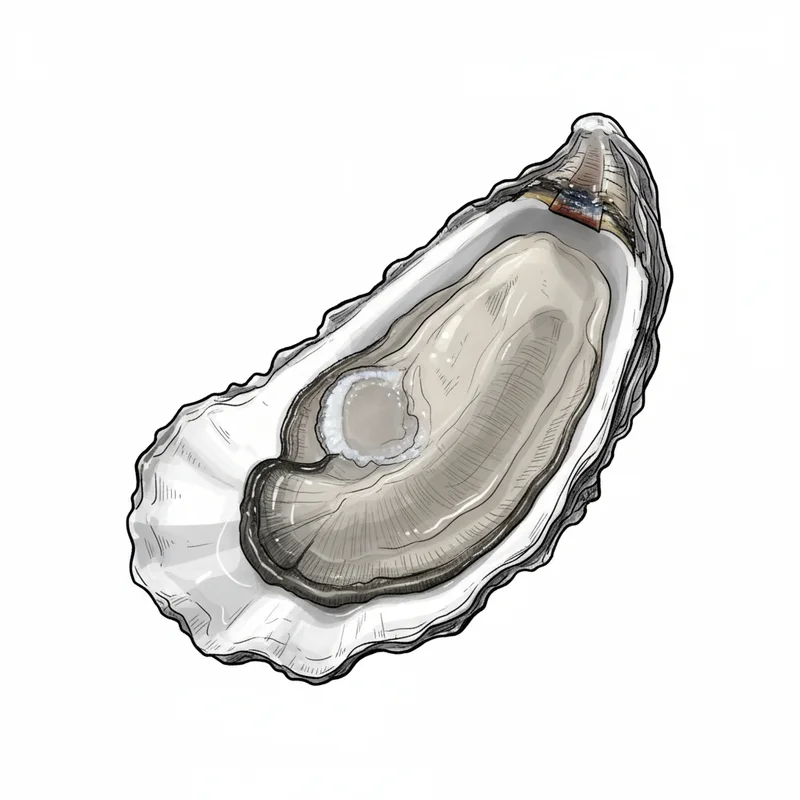
Olde Salt
Crassostrea virginica
Rack and bag cultured oyster from Chincoteague Bay, Virginia. Bold, intensely briny with the truest taste of the ocean, thanks to direct Atlantic water influx. Smooth, clean finish despite high salinity.
At a Glance
Olde Salt is an Eastern oyster (Crassostrea virginica) from the US East Coast. It is intensely briny (5/5 brininess) and subtly sweet (2/5 sweetness), with briny, bold, ocean-forward flavors and a finish that is smooth, clean follow-through.
Flavor Profile
Finish
Smooth, clean follow-through
Expert Notes
Olde Salt oysters deliver the truest taste of the ocean with an intensely briny, bold sea-side character that reflects their unique Atlantic-facing location. Grown in rack and bag culture off Chincoteague Island, these oysters benefit from the direct influx of clear, salty Atlantic Ocean water that pours through Chincoteague Inlet with each tide, creating exceptional salinity levels of 28-33 ppt. Despite their assertive brininess, they maintain a remarkably smooth and clean finish that distinguishes them as one of the few truly briny Virginia oysters. Origin & Characteristics
- Species
- Crassostrea virginica
- Native to
- USA
- Grown in
- Chincoteague Bay, Chincoteague Island, Virginia
- Size
- Medium (2.5-4 inches)
- Shell Color
- White to gray with rough texture
- Meat Color
- Plump, light gray
What Experts Say
Across 7 sources, tasters describe this oyster as:
Unique notes: earthy, creamy, ocean-forward, pure salt
"Olde Salts are very salty. They have a salinity upwards of 30 ppt, versus 15–20 for a true Chesapeake oyster. They taste more like the sea, because more of them is the sea."
saltybrinyocean-forward
"The truest taste of the ocean, our Olde Salt oyster brings together a bold sea-side brininess with a smooth, clean follow-through."
brinyboldcleansmooth
"Bold, salty brininess with a complementing minerality and a hint of creaminess. Springy and plump oyster meat nestled in its salty liquor; 30-34 ppt. salinity."
saltybrinymineralcreamyplump
"This oyster is extremely briny and are currently finishing with a hint of sweetness and minerality. In the late winter and early spring they're pure salt."
brinysweetmineral
"Medium sized (2 inch), thin oyster that had a mildly salty taste. An earthy brininess appeared after a few chews. It was a satisfactory oyster, but nothing noteworthy."
saltyearthybriny
"Olde Salt Oysters are one of the oyster appellations from the Chesapeake Bay region off the Maryland and Virginia coasts. They are highly salty with a clean, briny finish."
saltybrinyclean
About the Farm
Rappahannock Oyster Company
Est. 1899Multi-generational company dating back to the Civil War era, currently operated by Travis and Ryan Croxton who also produce Rappahannock River and Stingray oysters.
- Cultivation Method
- rack and bag
History & Background
The Chincoteague salt oyster is often called the aristocrat of the oyster family, made famous in the years following the Civil War and renowned for its high salinity.
The name 'Olde Salt' is a branded takeoff of the traditional Chincoteague Salt oyster name. The term 'old salt' traditionally describes a sailor with extensive experience and knowledge, reflecting both the company's maritime heritage and the oyster's intense salty taste.
Did You Know?
- Grown on Chincoteague Island, home to the famous wild ponies including Misty of Chincoteague
- Grows to three-inch size in just six months—a third the time of Rappahannock River oysters
- The bay is fed almost exclusively by the Atlantic Ocean with virtually no fresh water sources
- Chincoteague Island is cocooned by 55,000+ acres of pristine maritime forests, salt marshes, and beaches
Sources & References
This information was compiled from 7 sources.
- Olde Salt - The Oyster Guide — oysterguide.com
- Olde Salt Oysters™ (briny) - Rappahannock Oyster Co. — rroysters.com
- Rappahannock Oyster Co. Live Olde Salt Oysters - 25/Case — webstaurantstore.com
- Olde Salt Oysters - The Oyster Encyclopedia — oysterencyclopedia.com
- Righteous Foods - Olde Salt Review — facebook.com
- Olde Salt Oyster - Marinelli Shellfish — marinellishellfish.com
- Oyster Tasting Log - Peek & Eat — peekandeat.blogspot.com
Similar Oysters
Bluepoint (Long Island Sound)
US East CoastAmerica's most famous oyster since the 1800s. Bottom-planted in Long Island Sound with heavy, gnarly shells. Intensely briny and bold with metallic notes, firm texture, and a mineral finish. A salty classic for purists.
Shooting Point Salt
US East CoastHandcrafted heirloom oyster from Hog Island Bay on Virginia's Eastern Shore. One of the saltiest oysters available, with intense briny punch, rocky minerality, slight sweetness, and an herbaceous finish that's exceptionally clean and pure.
Cape Blue
US East CoastHand-grown Cape Cod Bay oyster from Barnstable Harbor. Medium-sized with distinctive white-and-black shells, highly briny with firm texture and a slightly nutty finish. Rich New England clambake flavor.
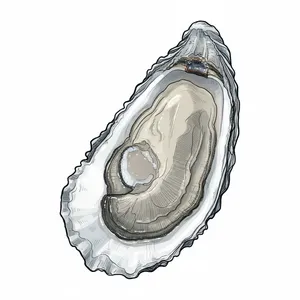
Capers Blades
US East CoastWild-harvested blade oysters from Capers Island, South Carolina. Hand-selected by Clammer Dave from natural reefs, delivering clean, sweet meat with intensely briny, tongue-curling salty liquor and a robust, metallic finish.
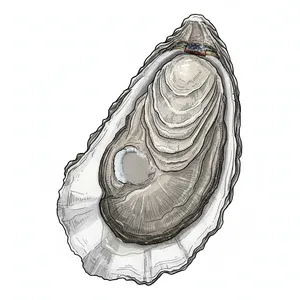
East End
US East CoastClassic East Coast oyster with high salinity and pronounced minerality. Medium-sized with a chewy texture, delivering briny, vegetal flavors and a clean, crisp finish.
Learn More
The Big Five: A Complete Guide to Commercial Oyster Species
Comprehensive guide to C. virginica (Atlantic), C. gigas (Pacific), C. sikamea (Kumamoto), O. lurida (Olympia), and O. edulis (European Flat)
Read article → Biology & SpeciesThe Atlantic Oyster (C. virginica): From Maritime Brine to Gulf Sweetness
Deep dive into America's indigenous East Coast oyster - flavor profiles, regional variations, and famous varieties
Read article → Merroir & EnvironmentWhat Is Merroir? How Water Shapes Oyster Flavor
Merroir is the marine version of terroir: how salinity, temperature, tides, and plankton in the growing water shape an oyster's flavor. The science, plus how to taste it.
Read article →