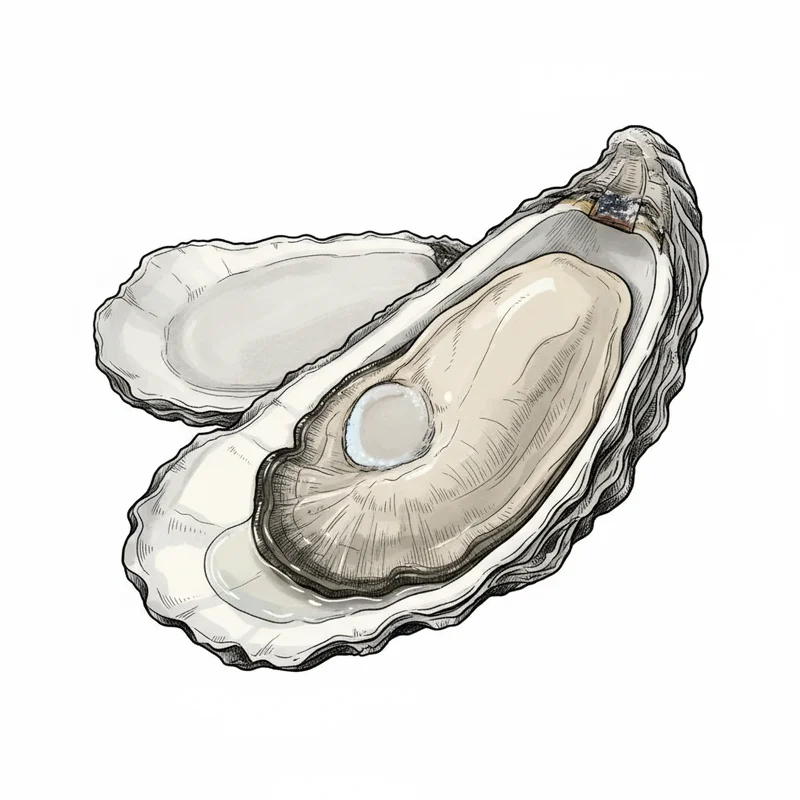
Gulf Coast
Crassostrea virginica
Wild-harvested oyster from the warm Gulf of Mexico. Large, mild, and creamy with low salinity and soft texture. The affordable, all-purpose oyster that built America's oyster culture—perfect for cooking.
At a Glance
Gulf Coast is an Eastern oyster (Crassostrea virginica) from the US Gulf Coast. It is mildly briny (2/5 brininess) and subtly sweet (2/5 sweetness), with mild, clean flavors and a finish that is mild, soft, mineral-forward. It is considered a beginner-friendly oyster.
Flavor Profile
Finish
Mild, soft, mineral-forward
Expert Notes
Gulf Coast oysters are the workhorse of American oyster production, wild-harvested from the warm, low-salinity waters of the Gulf of Mexico. Protected from certain diseases by lower salinity levels (5-15 ppt), these oysters remain affordable and accessible. The constant warm temperatures mean they never go dormant, resulting in consistent mild flavor year-round with a creamy texture and soft body that relaxes on the half-shell. Their subtle minerality shines through where brininess recedes, making them ideal for cooked preparations and oyster feeds. Origin & Characteristics
- Species
- Crassostrea virginica
- Native to
- USA
- Grown in
- Gulf of Mexico, Louisiana, Texas, Mississippi, Alabama, Florida
- Size
- Large (3-5 inches)
- Shell Color
- Thick gray-white
- Meat Color
- Cream to light gray
What Experts Say
Across 10 sources, tasters describe this oyster as:
Unique notes: fresh water, fresh-ocean, umami
"Huge, meaty oyster, plenty of liquor but the liquor had no brine. It tasted like fresh water. Definitely different."
meatyfresh waterno brine
"Consistently good, but very average. A good oyster feed oyster where you intend to eat dozens. Low salinity but clean taste."
low salinitycleanaverage
"Very low salinity with large, shallow, thick shells. A little more salinity would be preferred but they do go well with hot sauce!"
very low salinitylargethick shells
"Known for their salty, crisp, fresh-ocean flavor, Gulf Coast oysters are a favorite cuisine among locals and the thousands of tourists who visit the region every year."
saltycrispfresh-ocean
"They have a nice, clean creamy ocean flavor that pairs well with a white wine, such as Muscadet."
cleancreamyocean
"Offering a milder and tender profile, these oysters are a delightful introduction for newcomers and a staple for enthusiasts."
mildtender
"The qualities of a good fresh oyster should taste briny like seawater, but not overwhelmingly salty. Also, pay attention to the texture: soft, creamy, firm or crunchy."
brinysoftcreamy
"Gulf Coast oysters mature in freshwater (Mississippi River), so they are usually lower in salinity and are larger and meatier."
low salinitylargemeaty
About the Farm
Various Wild Harvest
Gulf Coast oysters are primarily wild-harvested from public and leased waters across Texas, Louisiana, Mississippi, Alabama, and Florida. The industry has shifted from natural-set wild oysters to some farm-raised operations using off-bottom methods.
- Cultivation Method
- wild harvest
History & Background
Gulf Coast oysters have been harvested for centuries, with oyster mariculture practices dating back to around A.D. 400 in Florida. The region historically produced abundant wild oysters and continues to be a major source of affordable oysters for the American market. Nearly half of Louisiana's oysters still come from public fisheries, and the lower salinity of Gulf waters has protected oyster populations from certain diseases that devastated other regions.
Gulf Coast oysters are deeply embedded in regional culinary culture, having inspired iconic dishes like Oysters Rockefeller, Po' Boys, and Barbecued Oysters. The affordable, all-purpose nature of Gulf oysters made them accessible to the masses and helped build America's oyster culture. Towns like Apalachicola, Florida, have oyster-centric economies where restaurants pride themselves on daily harvests and freshness.
Did You Know?
- Four-time National Oyster Shucking Champion Honor Allen considers Panama City Gulf Coast oysters among the best in the world
- Gulf oysters never go dormant due to warm water temperatures, growing year-round unlike northern oysters
- The Apalachicola River creates one of the oyster world's 'miracle spots' by discharging nutrient-rich sediment into shallow warm bay waters
- Gulf oysters are traditionally harvested using tongs from small dories, preserving artisanal methods
- The region's oysters are known for their large size, making them ideal for cooking applications
Sources & References
This information was compiled from 10 sources.
- Gulf Coast Oyster — Oysterater
- What Do Oysters Taste Like and What Creates Their Flavor? — Great Days Outdoors
- The Art of The Perfect Oyster at Mac's Raw Bar — Mac's Raw Bar
- What Does an Oyster Taste Like? The Distinctive Fifth Taste of an Oyster — Destination Panama City
- All About Oysters — The Magic Oyster
- Gulf Coast — The Oyster Guide
- Apalachicola Bay — The Oyster Guide
- Taste of the sea: An oyster flavor guide — Feast and Field
- East Bay Oysters — East Bay Oysters
- Meet the Farmers Leading an Oyster Revival on the Forgotten Coast — Flamingo Magazine
Similar Oysters
Galveston Bay
US Gulf CoastTexas-sized Gulf Coast oyster from Galveston Bay. Large, firm, and exceptionally meaty with mild brine and natural sweetness. Freshwater influence creates a fatty, creamy texture with subtle minerality and vegetable notes. Perfect for raw or chargrilled preparations.
Caminada Bay
US Gulf CoastGiant, meaty Gulf oyster from Louisiana's Barataria Bay. Strong earthy brininess with unique minerality from freshwater influence. Grown in off-bottom cages, perfect for raw or fried in classic po'boys.
Isle Dauphine
US Gulf CoastHand-crafted Alabama oyster from Dauphin Island with bold brininess and firm texture. Grown in raised cages with strong wave action that creates a deep, meaty cup and consistent quality.
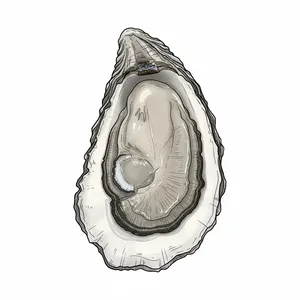
Apalachicola
US Gulf CoastWild-harvested Gulf Coast oyster from Florida's legendary Apalachicola Bay. Small, intensely briny, and robust with a distinctive flavor that earned global recognition as the pinnacle of oyster quality.
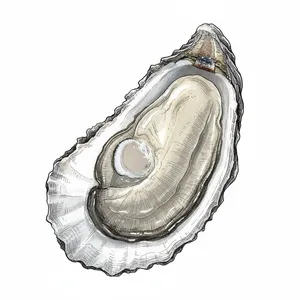
Lavaca Bay
US Gulf CoastTexas Gulf Coast oyster with pronounced briny intensity and complex oceanic flavors. Rich and full-bodied with subtle sweetness, reflecting the high salinity of Lavaca Bay's coastal waters.
Learn More
The Big Five: A Complete Guide to Commercial Oyster Species
Comprehensive guide to C. virginica (Atlantic), C. gigas (Pacific), C. sikamea (Kumamoto), O. lurida (Olympia), and O. edulis (European Flat)
Read article → Biology & SpeciesThe Atlantic Oyster (C. virginica): From Maritime Brine to Gulf Sweetness
Deep dive into America's indigenous East Coast oyster - flavor profiles, regional variations, and famous varieties
Read article → Merroir & EnvironmentWhat Is Merroir? How Water Shapes Oyster Flavor
Merroir is the marine version of terroir: how salinity, temperature, tides, and plankton in the growing water shape an oyster's flavor. The science, plus how to taste it.
Read article →