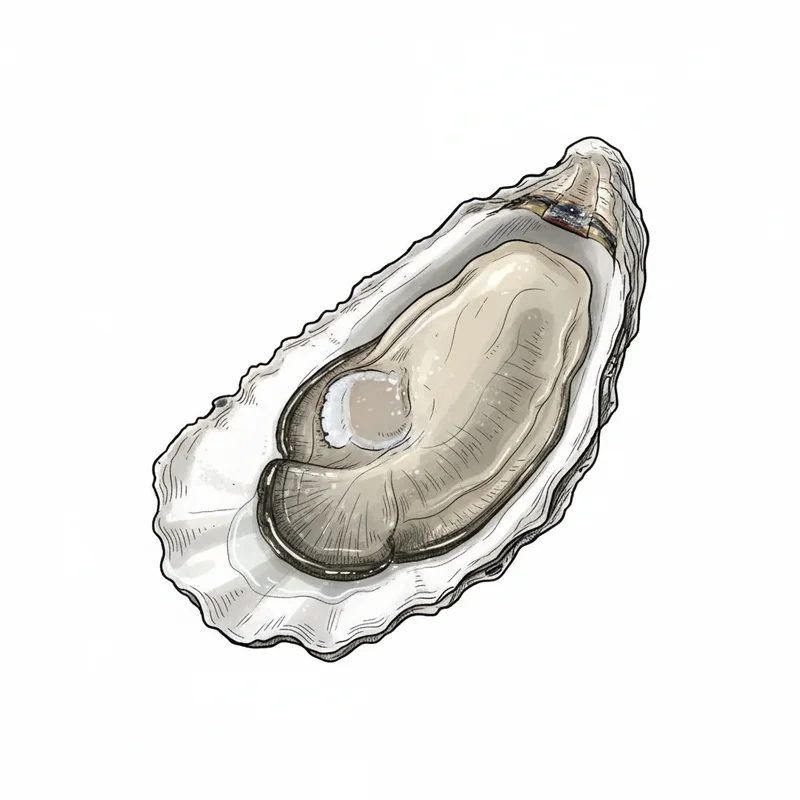
Bagaduce
Crassostrea virginica
A distinctive Maine oyster from the Bagaduce River. Medium briny with clean sweetness, pronounced umami, and savory smoky notes. Sun-grown in floating bags with gnarly shells and full meats.
At a Glance
Bagaduce is an Eastern oyster (Crassostrea virginica) from the US East Coast. It is moderately briny (3/5 brininess) and moderately sweet (3/5 sweetness), with briny, metallic, umami flavors and a finish that is clean, sweet mineral finish. It is considered a beginner-friendly oyster.
Flavor Profile
Finish
Clean, sweet mineral finish
Expert Notes
Bagaduce oysters are grown in floating bags on the surface of Maine's Bagaduce River, where they develop sun-bleached shells and a distinctive flavor profile. These robust oysters deliver medium brine notes with pronounced umami character and a savory, slightly smoky undertone reminiscent of miso soup or kelp dashi. The brackish waters of the reversing falls create a complex taste with clean sweetness and metallic minerality that makes them favorites of renowned chefs like Thomas Keller. Origin & Characteristics
- Species
- Crassostrea virginica
- Native to
- USA
- Grown in
- Bagaduce River, Hancock County, Maine
- Size
- Medium to Large (3-4 inches)
- Shell Color
- Sun-bleached white with gnarly texture
- Meat Color
- Cream to light gray
What Experts Say
Across 8 sources, tasters describe this oyster as:
Unique notes: seaweed, berry-like finish
"Mildly briny with a sweet finish and notes of seaweed. Deep cups with a fruity, almost berry-like finish. Balanced brininess, with a slightly sweet finish. The sweetness is not overpowering but adds a pleasant depth to the overall taste of the oyster."
brinysweetseaweedfruityberry
"Raised in suspended culture near the Bagaduce River's reversing falls. The strong tidal action constantly jostles the oysters and causes them to 'cup up,' and the exposure to the sun keeps their shells white. Deep cups, with a fruity, almost berry-like finish. The Indian name means 'fast water.'"
fruityberry
"They are a medium size oyster with a sun-bleached shell. The meat is mild tasting with a clean finish."
mildclean
"Meats are full, large shells, and medium salinity."
medium salinityfull meats
"This premium oyster is sourced through the brackish waters of the Bagaduce River."
brackishpremium
About the Farm
Bagaduce River Oyster Company
Est. 1997Founded by Jesse Leach in Penobscot, Maine in 1997, the company has grown from a small operation to a thriving business over two decades. The farm underwent a lease transfer in 2023, with Little Island Oyster Co. (Frank and Tonyia Peasley) operating the five-acre site since 2011 before selling.
- Cultivation Method
- suspended culture
History & Background
Bagaduce oysters derive their name from the Bagaduce River in Maine, where they are harvested. The name 'Bagaduce' originates from the native place-name for 'big tideway river,' or in some sources, 'place where the tide runs fast.' The river is a tidal river in Hancock County, Maine that empties into Penobscot Bay near the town of Castine.
These oysters are cultivated near the Bagaduce River's reversing falls, where strong tidal action constantly jostles the oysters causing them to 'cup up,' and exposure to the sun keeps their shells white and sun-bleached.
Did You Know?
- The Indian name 'Bagaduce' means 'fast water'
- Grown in floating bags at the top of the water column
- Farmed for 18-24 months before harvest
- Available year-round with best flavor during colder months
Sources & References
This information was compiled from 8 sources.
- Bagaduce Oysters - The Oyster Encyclopedia — The Oyster Encyclopedia
- OYSTERS - Elm Square Oyster Co. — Elm Square Oyster Co.
- LIVE OYSTERS - Fortune Fish & Gourmet — Fortune Fish & Gourmet
- East Coast Oysters - 2024 — Catanese Classic Seafood
- Bagaduce River oyster farm to change hands — Ellsworth American
- Guide to Maine Oysters — Portland Magazine
- Bagaduce River Oyster Company — Inknowvation
- Nautilus Island Oysters — Atlantic Aqua Farms USA
Similar Oysters
Bluepoint (Long Island Sound)
US East CoastAmerica's most famous oyster since the 1800s. Bottom-planted in Long Island Sound with heavy, gnarly shells. Intensely briny and bold with metallic notes, firm texture, and a mineral finish. A salty classic for purists.
Copps Island
US East CoastA bold Long Island Sound oyster from Connecticut's historic Copps Island Oysters farm. Large and strong with heavy shells, delivering an intensely briny and metallic flavor with sweet undertones. Cultivated using traditional methods for over 150 years.
East Dennis
US East CoastLarge, plump Cape Cod oysters from Quivet Neck with exceptional balance. Medium brine meets strong umami and sweet mineral notes for a clean, savory finish. Rack-and-bag cultivated since 2003.
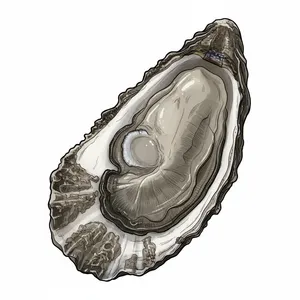
Speciale
US East CoastA wild Long Island oyster with bold, briny character. Heavy shells, meaty texture, complex mineral and metallic notes with cucumber undertones.
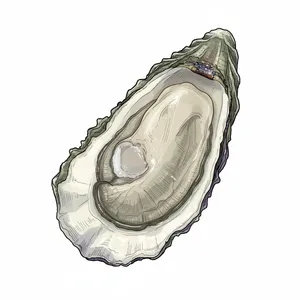
Brewster
US East CoastRack-and-bag cultivated oyster from the Brewster Flats of Cape Cod Bay. Distinctly briny and mineral-rich with a clean, sweet finish reflecting the pristine waters of Massachusetts.
Learn More
The Big Five: A Complete Guide to Commercial Oyster Species
Comprehensive guide to C. virginica (Atlantic), C. gigas (Pacific), C. sikamea (Kumamoto), O. lurida (Olympia), and O. edulis (European Flat)
Read article → Biology & SpeciesThe Atlantic Oyster (C. virginica): From Maritime Brine to Gulf Sweetness
Deep dive into America's indigenous East Coast oyster - flavor profiles, regional variations, and famous varieties
Read article → Merroir & EnvironmentWhat Is Merroir? How Water Shapes Oyster Flavor
Merroir is the marine version of terroir: how salinity, temperature, tides, and plankton in the growing water shape an oyster's flavor. The science, plus how to taste it.
Read article →