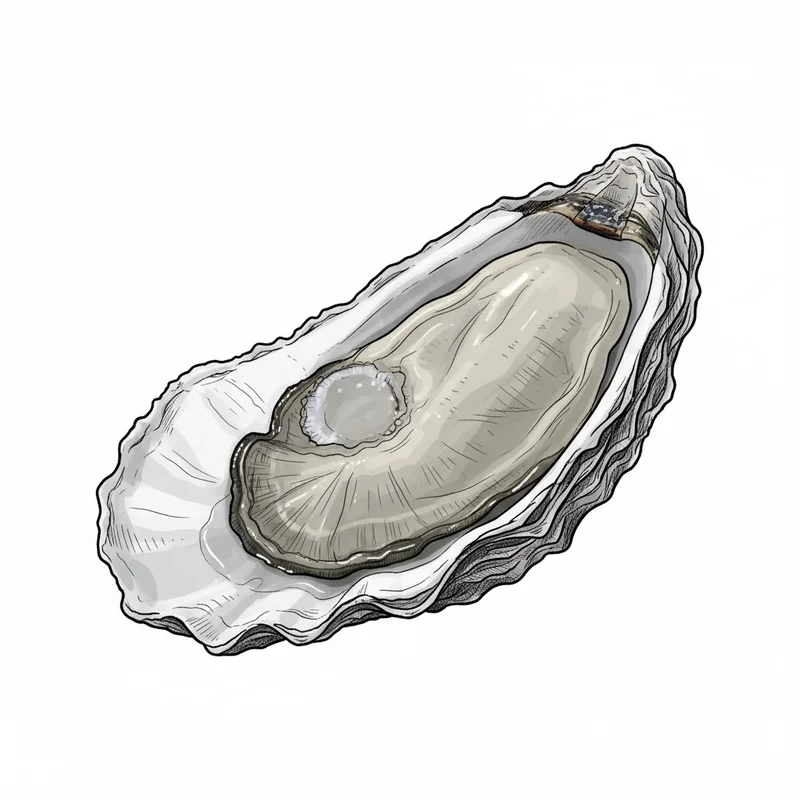
38 Degrees North
Crassostrea virginica
A balanced Chesapeake Bay oyster. Mild, slightly sweet with refined brine and a clean finish. Firm and meaty from floating cage cultivation.
At a Glance
38 Degrees North is an Eastern oyster (Crassostrea virginica) from the US East Coast. It is mildly briny (2/5 brininess) and distinctly sweet (4/5 sweetness), with sweet, mild brine flavors and a finish that is clean, refreshing, refined. It is considered a beginner-friendly oyster.
Flavor Profile
Finish
Clean, refreshing, refined
Expert Notes
38 Degrees North oysters showcase the balanced salinity of the Chesapeake Bay with a mild, sweet character that distinguishes them from their West Coast counterparts. Cultivated in floating cage farms that harness the big waters of the Bay, these oysters develop a firm, meaty texture with a refined briny taste. The clean finish and natural sweetness make them accessible yet sophisticated. Origin & Characteristics
- Species
- Crassostrea virginica
- Native to
- USA
- Grown in
- Western Shore, Chesapeake Bay, Maryland
- Size
- Medium to Large (2-5 inches)
- Shell Color
- White
- Meat Color
- Light gray
What Experts Say
Across 4 sources, tasters describe this oyster as:
Unique notes: confluence-grown, Potomac-influenced
"Cage-grown near the confluence of the Potomac and Chesapeake, these are white-shelled and light on salt, typical of a Maryland oyster."
light saltmild
"38 Degrees North bivalves from Maryland available on the half-shell at Angelo's Taverna."
About the Farm
38 Degrees North Oysters
Farm-raised oysters from Chesapeake Bay near the confluence of the Potomac River and Chesapeake Bay, named after the latitude of the growing location in St. Mary's County, Maryland.
- Cultivation Method
- off-bottom cages
History & Background
Part of the growing aquaculture enterprise in St. Mary's County, Maryland, representing a revival of oyster farming in the Chesapeake Bay region.
These oysters represent an untapped visitor experience in St. Mary's County, where oysters are integral to the local cuisine and heritage.
Did You Know?
- Named after the 38th parallel north latitude where they are grown
- Featured at Denver restaurants despite being from Maryland's Chesapeake Bay
- Grown near the historic confluence of the Potomac River and Chesapeake Bay
Sources & References
This information was compiled from 4 sources.
- Thirty-Eight Degrees North Oyster — Oysterater
- The 5 Best Oyster Happy Hours In Denver — 5280 Magazine
- St. Mary's County Tourism Assets — St. Mary's County Government
- OysterFinder — The Oyster Guide
Similar Oysters
Mecox Bay
US East CoastWild-harvested Long Island oyster from the deep, cold waters of Mecox Bay. Delicate and balanced with mild brininess, pronounced sweetness, and a clean mineral finish reminiscent of classic Bluepoints.
Paramour
US East CoastA mild, refined East Coast oyster cultivated in Narragansett Bay, Rhode Island, with origins from Virginia's Atlantic-facing Parramore Island. Despite full ocean exposure, it delivers a surprisingly gentle brine with firm meat and a clean, fruity finish.
Potomac Whitecap
US East CoastA sweetwater Chesapeake oyster from the Potomac River region. Delicate and sweet with smooth creaminess, medium brine, and a clean finish. Plump meats reflect the freshwater influence of Virginia's Upper Bay Western Shore.
Stingray
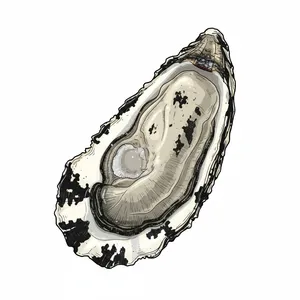
US East CoastThe quintessential Chesapeake Bay oyster from Mobjack Bay, Virginia. Perfectly balanced between sweet and salty with a clean, crisp finish. Distinctive white shell with black markings.
Duck Island Petite
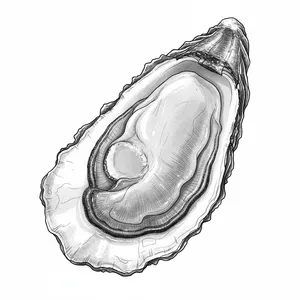
US East CoastA small, farm-raised oyster from Long Island Sound with extremely mild flavor and plump meat. Lightly brined with a notably sweet finish, perfect for those seeking a gentle introduction to East Coast oysters.
Learn More
The Big Five: A Complete Guide to Commercial Oyster Species
Comprehensive guide to C. virginica (Atlantic), C. gigas (Pacific), C. sikamea (Kumamoto), O. lurida (Olympia), and O. edulis (European Flat)
Read article → Biology & SpeciesThe Atlantic Oyster (C. virginica): From Maritime Brine to Gulf Sweetness
Deep dive into America's indigenous East Coast oyster - flavor profiles, regional variations, and famous varieties
Read article → Merroir & EnvironmentWhat Is Merroir? How Water Shapes Oyster Flavor
Merroir is the marine version of terroir: how salinity, temperature, tides, and plankton in the growing water shape an oyster's flavor. The science, plus how to taste it.
Read article →