
Belon (Maine)
Ostrea edulis
Rare wild European Flat oyster harvested from Maine's cold waters. One of only 5,000 harvested annually. Intensely metallic and mineral with bold coppery flavors and umami notes—powerful and unforgettable.
At a Glance
Belon (Maine) is an European Flat oyster (Ostrea edulis) from the US East Coast. It is mildly briny (2/5 brininess) and subtly sweet (2/5 sweetness), with metallic, mineral, umami flavors and a finish that is powerful, metallic, coppery with tannic accent.
Flavor Profile
Finish
Powerful, metallic, coppery with tannic accent
Expert Notes
Maine Belon oysters are among the most powerful and distinctive oysters on the planet. Transplanted European Flats that went feral in the 1950s, these wild-harvested rarities deliver an intense, shocking flavor profile redolent of zinc, copper, and umami. With only 5,000 harvested annually, they are one of the rarest oysters in the world. Less briny than their Eastern oyster cousins, they showcase a potent metallic character with sweet to flinty overtones and a crisp bite to plump meats. Not for the faint of heart or beginners—you'll either love them or hate them, but they will make an unforgettable impression. Origin & Characteristics
- Species
- Ostrea edulis
- Native to
- Europe
- Grown in
- Damariscotta River, Maine, Boothbay Harbor, Maine, Isle Au Haut, Maine
- Size
- Medium to Large (3-8 inches)
- Shell Color
- Black-and-white, dapper
- Meat Color
- Creamy to light brown
What Experts Say
Across 10 sources, tasters describe this oyster as:
Unique notes: walnut-skin, iodine, zinc, umami, coppery, brassy
"These wild oysters are as powerful as any on the planet, redolent of fish and zinc and umami—not for the faint of heart."
powerfulfishzincumami
"Intense and delicious, with powerful brine against a tannic walnut-skin background. Amazing full-contact experience. Crunchy texture like no other oyster."
intensepowerfulbrinytannicwalnut-skin
"Minerally, metallic, little tiny bit briny seawater taste, easier to shuck than others. Absolutely loved these!"
minerallymetallicbrinyseawater
"The metallic aftertaste was so off-putting that my lovely wife and I both – independently of each other – were worried that we'd gotten a bad oyster."
metallic
"Mild brininess, a potent coppery taste, and a tannic accent with a crisp bite. They are wild-harvested and not for beginners. Their flavor is powerful and distinct."
mildbrinycopperytanniccrisp
"They are, quite simply, the most intense, overwhelming, unforgettable food you are likely to eat anytime soon. They are the Sean Penn of oysters–scary, but you feel compelled to keep paying attention. Chugging iodine, maybe. With lemon, all the iodine disappear, leaving something beautiful and, frankly, indescribable in its place. Uplifting, aromatic, and strange."
intenseoverwhelmingiodineupliftingaromatic
"Compared to other oysters, Belons feel like the luxury model. Scalloped shells in Cartier colors."
luxury
"Meaty and metallic."
meatymetallic
"The Belon, with its large, round, scallop-like shell, is an oyster species native to Europe with an unusual and powerful metallic flavor. That flavor lasts, so Belons are best enjoyed with lemon."
powerfulmetallicunusual
"They are renown for their unique flavor profile."
unique
"No oyster comes close to the power of the European Flat. It is brassy, in every sense of the word. Brassy because it tastes like metal, and because it is shamelessly bold, and because when it hits your tongue it slaps you awake like the opening blast of a bugler's reveille."
powerfulbrassymetalbold
About the Farm
Nonesuch Oysters
Abigail Carroll of Nonesuch Oysters successfully grows Belons in Maine with support from the Down East Institute, and is now the main supplier to Grand Central Oyster Bar.
- Cultivation Method
- wild harvest
History & Background
European Flat oysters (Ostrea edulis) were brought from the Netherlands to Boothbay Harbor, Maine by scientists in the 1950s as an alternative cultivation source. The cultivation efforts were eventually abandoned, but the oysters went feral and established wild populations in Maine's estuaries, spreading as far south as Cape Cod Bay and Duxbury Bay, Massachusetts.
True Belons come from the Belon River in Brittany, France, and have AOC protected name status. The Maine oysters are more accurately called European Flats, though they are commonly marketed as Belons. Native Americans harvested oysters from the Damariscotta River for a millennium, as evidenced by hill-sized middens along its banks.
Did You Know?
- Only approximately 5,000 Belons are harvested annually in Maine, making them one of the rarest oysters in the world
- Belons are an entirely different genus (Ostrea) from most other North American oysters (Crassostrea)
- They have a rust-colored mantle and resemble 'the love child of a scallop and an oyster'
- The French describe their finish as 'noisette' (hazelnut), though American experts find this description puzzling
- Belons are often described as 'the Sean Penn of oysters—scary, but you feel compelled to keep paying attention'
Sources & References
This information was compiled from 10 sources.
- Maine - Belon - The Oyster Guide — The Oyster Guide
- Belon (Maine) Oyster - Oysterater — OysteRater
- Belons from Maine - The Oyster Guide — The Oyster Guide
- Belon Oysters - Maine - Chefs Resources — Chefs Resources
- The Five-Minute Oyster Guide That Will Make You Look Like an Expert — VICE
- Ostrea edulis - Wikipedia — Wikipedia
- Where do Belon Oysters come from and are they that rare? — Pangea Shellfish
- Maine Belon Oysters - The Oyster Encyclopedia — The Oyster Encyclopedia
- A bit of education will enhance your appreciation of oysters — Baltimore Sun
- CHOW Oyster Guide — The Oyster Guide
Similar Oysters
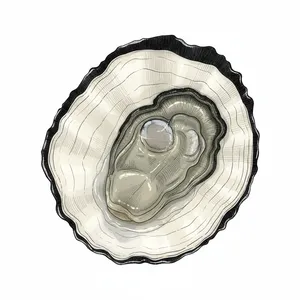
European Flat
FranceA refined yet powerful oyster with distinctive metallic and coppery notes. The European species offers a bold mineral character unlike any Pacific or Atlantic oyster.

Belon
FranceThe connoisseur's choice. Complex, intensely mineral, with bold metallic and seaweed notes.
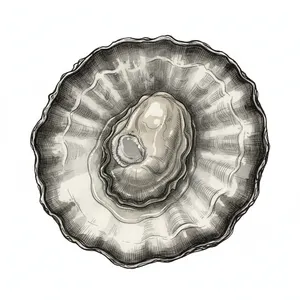
Belon (France)
FranceThe legendary European flat oyster from Brittany's Belon River. Intensely metallic with a distinctive coppery taste from high iron content. Bold, brassy, and powerful—considered the Cadillac of oysters by connoisseurs.
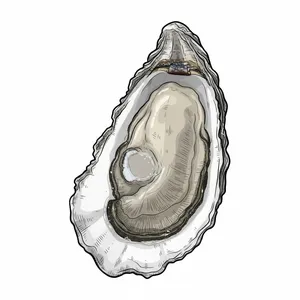
Pipes Cove
US East CoastHistoric Peconic Bay oyster with plump meats and distinctive mineral character. Medium brininess with a unique iron finish, reflecting the nutrient-rich tidal marshlands of Pipes Cove near Greenport, Long Island.
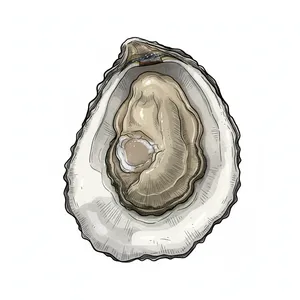
Shoal Bay Flat
US West CoastThe only European Flat oyster grown on the West Coast, cultivated by the Jones family on Lopez Island. Rare and coveted, with a pleasant metallic twang, sharp mineral notes, and the crisp-clean salinity of San Juan Island waters. Exceedingly limited supply.
Learn More
The Big Five: A Complete Guide to Commercial Oyster Species
Comprehensive guide to C. virginica (Atlantic), C. gigas (Pacific), C. sikamea (Kumamoto), O. lurida (Olympia), and O. edulis (European Flat)
Read article → Biology & SpeciesThe Atlantic Oyster (C. virginica): From Maritime Brine to Gulf Sweetness
Deep dive into America's indigenous East Coast oyster - flavor profiles, regional variations, and famous varieties
Read article → Merroir & EnvironmentWhat Is Merroir? How Water Shapes Oyster Flavor
Merroir is the marine version of terroir: how salinity, temperature, tides, and plankton in the growing water shape an oyster's flavor. The science, plus how to taste it.
Read article →