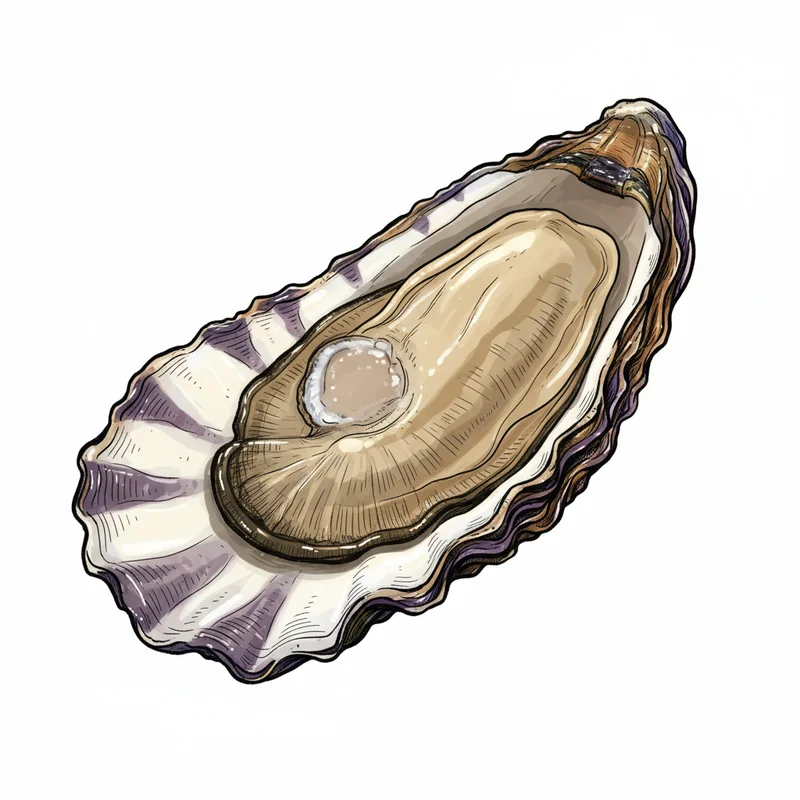
Carlsbad Blonde
Crassostrea gigas
Southern California's signature oyster from Carlsbad's Agua Hedionda Lagoon. Grown in suspended culture with distinctive glassy, striped shells. Strongly briny with refreshing melon and cucumber notes, balanced between briny and sweet.
At a Glance
Carlsbad Blonde is a Pacific oyster (Crassostrea gigas) from the US West Coast. It is notably briny (4/5 brininess) and moderately sweet (3/5 sweetness), with briny, melon, cucumber flavors and a finish that is refreshing, delicate briny with subtle metallic notes.
Flavor Profile
Finish
Refreshing, delicate briny with subtle metallic notes
Expert Notes
The only truly Southern California oyster variety, Carlsbad Blondes are grown in suspended culture offshore in Agua Hedionda Lagoon. Their distinctive art deco appearance—glassy shells with jagged fans of white and purple stripes—is matched by their unique flavor profile. These oysters deliver a strongly briny punch balanced with sweet notes, complemented by refreshing overtones of melon and cucumber with a touch of alkalinity. The balanced briny-sweet character distinguishes them from Bay Area varieties, offering a taste that is definitively Southern California. Origin & Characteristics
- Species
- Crassostrea gigas
- Native to
- Japan
- Grown in
- Agua Hedionda Lagoon, Carlsbad, California
- Size
- Medium (3-4 inches)
- Shell Color
- Glassy amber with white and purple stripes
- Meat Color
- Light cream
What Experts Say
Across 6 sources, tasters describe this oyster as:
Unique notes: alkaline, art deco light fixture appearance
"It is grown offshore in suspended culture and has a strongly briny flavor with overtones of melon and cucumber, and a touch of alkalinity. Definitely different than the Bay Area varieties. The Carlbad Blonde is balanced between briny and sweet."
brinymeloncucumberalkalinesweet
"Blonde or Carlsbad Blonde oysters are farm raised in Southern California on suspended long-line trays. These deep cupped oysters have a refreshing brininess, a touch of melon and cucumber and a subtle metallic finish."
brinymeloncucumbermetallic
"Oysters grown in suspended trays right in the marina in Carlsbad. Thin shells, very briny meats."
briny
"Blonde or Carlsbad Blonde oysters are farm-raised in Southern California on suspended long-line trays. These deep cupped oysters have a refreshing brininess, a touch of melon and cucumber and a subtle metallic finish."
brinymeloncucumbermetallic
About the Farm
Carlsbad Aquafarm
Est. 1990Carlsbad Aquafarm has been operational in the Agua Hedionda Lagoon since the 1950s, arising from a 1960s-era San Diego State University aquaculture research facility. It is the only sustainable oyster farm in Southern California, producing approximately 2 million pounds of shellfish annually.
- Cultivation Method
- suspended culture
History & Background
The Carlsbad Blonde is the only truly Southern California oyster variety. Carlsbad was a sleepy beach town midway between San Diego and Los Angeles before Lego decided to build a theme park there in the 1990s.
The farm benefits from nutrient-rich water circulating from the nearby desalination plant. The lagoon is part of the North San Diego County estuarine complex and features diverse wild marine life including birds, stingrays, sea bass, and octopus.
Did You Know?
- The oyster has glassy shells with jagged fans of white and purple stripes reminiscent of an art deco light fixture
- Carlsbad Aquafarm produces three variations: the very small Carlsbad Luna (the briniest), the Carlsbad Blonde (balanced), and the Del Sol (given a two-hour freshwater immersion to sweeten them)
- The farm's buoys are white because sea birds frequently land on them, covering them with their droppings which also fertilize the area
- Over 600 oysters hang from trays on a single buoy
Sources & References
This information was compiled from 6 sources.
- Carlsbad Blonde - The Oyster Guide — oysterguide.com
- LIVE OYSTERS - Fortune Fish & Gourmet — fortunefishco.net
- Carlsbad Blonde Oyster — oysterater.com
- Carlsbad Oyster Farm Tour: Ultimate Guide From a Local! — seekingstamps.com
- Farming the Future: Aquafarms Cultivate Sustainable Oysters — sandiegomagazine.com
- A Public Tour & Tasting at SoCal's Only Oyster Farm — avoidingregret.com
Similar Oysters
Elkhorn
US West CoastBeach-grown Pacific oyster from Washington's Willapa Bay. Firm and meaty with intense, robust flavor featuring high brininess, natural sweetness, and a distinctive mineral-melon finish.
Kachemak Bay
US West CoastSlow-growing Pacific oyster from Alaska's glacial Kachemak Bay waters. More briny and umami-forward than typical Pacifics, with crisp texture, cucumber-melon notes, and a clean vegetal finish with hints of nori and green tea.
Tomales Bay
US West CoastThe definitive California oyster with stunning black and purple shells. Intensely briny with cucumber notes and a rich, buttery finish.
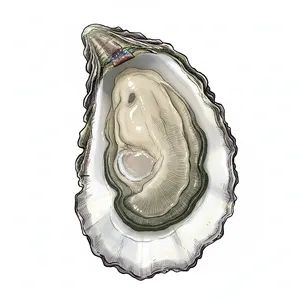
Penn Cove
US West CoastThe definitive Pacific oyster. Firm, briny meats with bright cucumber and umami notes, finished clean and steely.
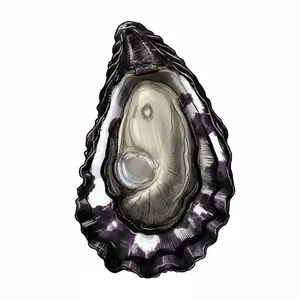
Penn Cove Select
US West CoastThe definitive Pacific Northwest oyster with stunning black and purple shells. Beach-raised in Samish Bay and finished in Penn Cove, these award-winning oysters deliver firm meats, bright brininess, and a distinctive crisp cucumber finish.
Learn More
The Big Five: A Complete Guide to Commercial Oyster Species
Comprehensive guide to C. virginica (Atlantic), C. gigas (Pacific), C. sikamea (Kumamoto), O. lurida (Olympia), and O. edulis (European Flat)
Read article → Biology & SpeciesThe Pacific Oyster (C. gigas): Cream, Cucumber, and the Japanese Legacy
Understanding the world's most cultivated oyster - from Japanese origins to West Coast dominance
Read article → Merroir & EnvironmentWhat Is Merroir? How Water Shapes Oyster Flavor
Merroir is the marine version of terroir: how salinity, temperature, tides, and plankton in the growing water shape an oyster's flavor. The science, plus how to taste it.
Read article →