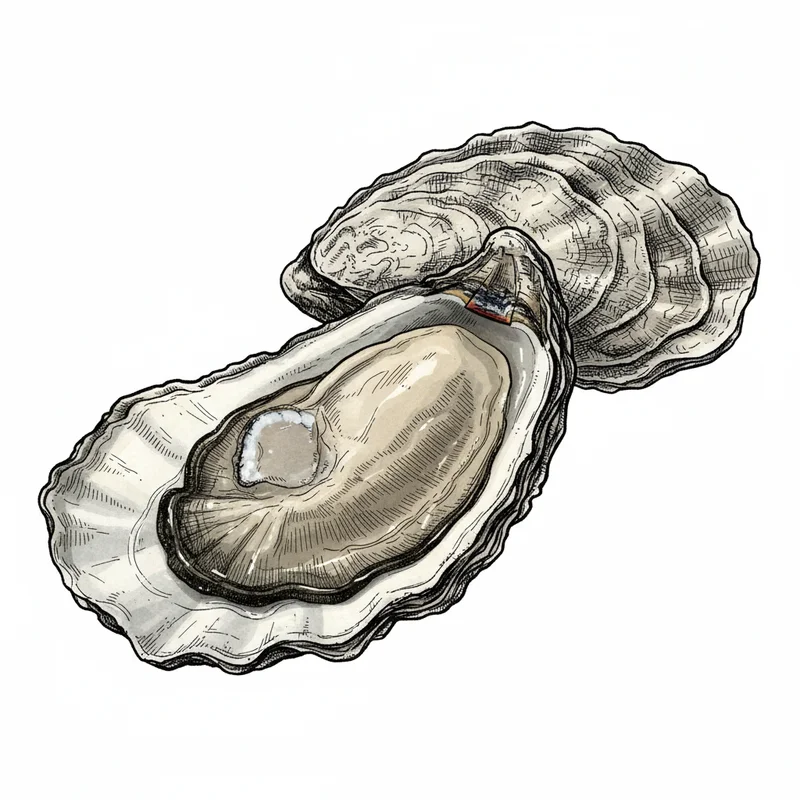
Chesapeake
Crassostrea virginica
Classic Chesapeake Bay oyster from Maryland and Virginia. Sweet and buttery with balanced brininess and a smooth, creamy texture. Grown in brackish waters that create the bay's signature mild, refined flavor.
At a Glance
Chesapeake is an Eastern oyster (Crassostrea virginica) from the US East Coast. It is mildly briny (2/5 brininess) and distinctly sweet (4/5 sweetness), with sweet, briny flavors and a finish that is smooth, buttery, subtly sweet. It is considered a beginner-friendly oyster.
Flavor Profile
Finish
Smooth, buttery, subtly sweet
Expert Notes
Chesapeake oysters embody the classic character of the Chesapeake Bay's brackish waters. With low salinity from the mix of saltwater and freshwater tributaries, these oysters develop a distinctively sweet and buttery flavor profile with gentle brininess. The balanced salinity allows subtle sweetness to shine through, creating a smooth, creamy texture reminiscent of homemade root-vegetable stock. These oysters represent a quintessential East Coast style—mild yet flavorful, accessible yet refined. Origin & Characteristics
- Species
- Crassostrea virginica
- Native to
- USA
- Grown in
- Chesapeake Bay, Maryland and Virginia
- Size
- Medium (2-4 inches)
- Shell Color
- Gray-white
- Meat Color
- Cream to light gray
What Experts Say
Across 8 sources, tasters describe this oyster as:
Unique notes: floral sweet melon, smoky, melon-sweet merroir, marine inspired, velvety
"Chesapeake Gold: Medium salinity followed by a firm texture finished with a progression of marine inspired flavors including a floral sweet melon."
medium salinityfirmmarinefloralsweet
"Chesapeake Smokes: High salinity with a subtle smoky flavor, coupled with a firm texture which finishes with a burst of earthy fruity sensations."
high salinitysmokyfirmearthyfruity
"Mermaid: High salinity paired with a meaty texture transitions to the enhancement of the Chesapeake's unique, melon-sweet merroir."
high salinitymeatymelonsweet
"The Chesapeake's brackish waters infuse Virginia oysters with a delightful brininess and salinity that sets them apart. As you savor these oceanic delights, you'll experience a captivating briny kick that awakens the palate. The brininess is balanced with a hint of saltiness, creating a harmonious flavor combination."
brinysaltybrackishoceanic
"Virginia oysters possess a natural sweetness and creaminess that elevate their flavor profiles. The sweet undertones provide a pleasant contrast to the briny notes, creating a balanced and complex taste experience. With each bite, you'll encounter a velvety creaminess that coats the palate."
sweetcreamyvelvetybalanced
"Chesapeake Oysters have a mild, full flavor and are larger in size and boast a plump meat with a buttery flavor and sweet finish."
mildfullplumpbutterysweet
"If an oyster is labeled simply a Chesapeake, don't expect much. Unless it says otherwise, expect a Chesapeake to be a wild oyster with little flavor that was dredged off the bay floor."
little flavormild
"I am not a fan of Chesapeake Bay oysters. The flavor was so dull and flat, no salinity at all."
dullflatlow salinity
History & Background
The Chesapeake Bay was once the most productive oyster region in North America, with oysters so abundant they presented shipping hazards. The first large-scale commercial fishing began in the early 1800s when New England fishers sailed south after depleting their own waters. For two centuries, wild oysters were heavily harvested with little regulation, leading to severe population decline.
Once called the 'Napa Valley of oysters,' the Chesapeake Bay was renowned for its famously sweet, plump oysters. Today, wild populations are estimated at less than 1% of historical levels, with most quality oysters now coming from Virginia aquaculture operations.
Did You Know?
- Chesapeake Bay is the nation's largest estuary, receiving quadruple the freshwater input of the Connecticut or Hudson Rivers
- Historical accounts describe oyster reefs so thick that ships had to navigate around them
- Indigenous peoples stewarded Chesapeake oysters for thousands of years before commercial exploitation began
Sources & References
This information was compiled from 8 sources.
- Chesapeake Bay Oysters - Tasting Notes and Texture — Hoopers Island Oyster Co.
- Taste of the Chesapeake: Discovering the Unique Flavor Profiles of Virginia Oysters — LW Oysters
- A No-Nonsense Guide to East Coast Oysters — Samuels Seafood
- Chesapeake — The Oyster Guide
- Rappahannock River Oyster - Oysterater — Oysterater
- Oyster Flavor Profiles: How Environment Shapes Taste — Oyster Encyclopedia
- The History of Oyster Growing and Harvesting in the Chesapeake Bay — Zapco Aquaculture
- History of the Virginia Oyster Fishery, Chesapeake Bay, USA — Frontiers in Marine Science
Similar Oysters
Cedar Island Select
US East CoastA flagship North Carolina oyster from Cedar Island Bay's pristine waters. Large and deep-cupped with balanced brininess and a distinctive sweet, buttery finish. Sustainably farmed in floating cages.
Chadwick Creek
US East CoastDelicate and buttery North Carolina oyster from Pamlico Sound. Deep-cupped with bright white shells, featuring a sweet finish and balanced brininess. Cultivated in off-bottom cages.
Sweet Petite
US East CoastRack and bag cultivated oysters from Katama Bay, Martha's Vineyard. Deep-cupped with firm white meats, delivering a briny hit that transitions to smooth creaminess and a sweet finish.
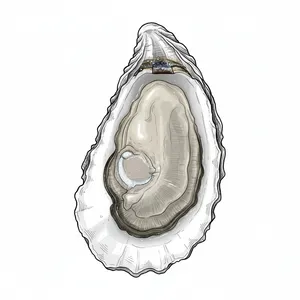
Beach Point
US East CoastA boutique oyster from Barnstable Harbor, Cape Cod. Meaty and plump with light brininess, bright sweet cream flavor, and a crisp finish. Only 30,000 raised annually with meticulous care.
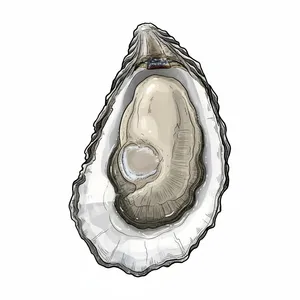
James River
US East CoastA mild Virginia oyster from the brackish waters where the James River meets the Chesapeake Bay. Exceptionally plump with low salinity, focusing on sweet cream and savory, earthy notes with a smooth finish.
Learn More
The Big Five: A Complete Guide to Commercial Oyster Species
Comprehensive guide to C. virginica (Atlantic), C. gigas (Pacific), C. sikamea (Kumamoto), O. lurida (Olympia), and O. edulis (European Flat)
Read article → Biology & SpeciesThe Atlantic Oyster (C. virginica): From Maritime Brine to Gulf Sweetness
Deep dive into America's indigenous East Coast oyster - flavor profiles, regional variations, and famous varieties
Read article → Merroir & EnvironmentWhat Is Merroir? How Water Shapes Oyster Flavor
Merroir is the marine version of terroir: how salinity, temperature, tides, and plankton in the growing water shape an oyster's flavor. The science, plus how to taste it.
Read article →