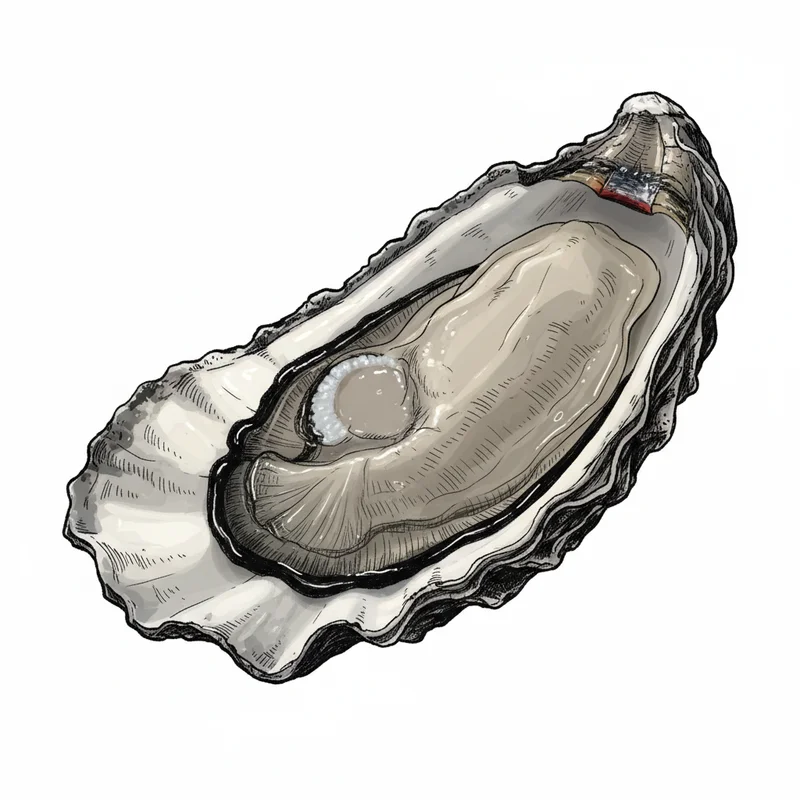
Dabob Bay
Crassostrea gigas
Intertidal beach-grown Pacific oyster from the pristine waters of Hood Canal's Dabob Bay. Light and crisp with pronounced brininess from slow growth in cold, nutrient-limited waters. Firm meat with a clean, sweet finish.
At a Glance
Dabob Bay is a Pacific oyster (Crassostrea gigas) from the US West Coast. It is notably briny (4/5 brininess) and moderately sweet (3/5 sweetness), with briny, clean, crisp flavors and a finish that is clean, steely, slightly sweet aftertaste.
Flavor Profile
Finish
Clean, steely, slightly sweet aftertaste
Expert Notes
Dabob Bay oysters grow slowly in the cold, nutrient-poor waters of Hood Canal, surrounded by dense evergreen forests of the Olympic Peninsula. This slow growth produces light, crisp oysters with an eye-opening dose of brine. The firm meat delivers a pronounced salty character that begins softly and develops into a full briny intensity, with subtle nutty notes from the black mantle and a clean, sweet finish that balances the salinity. Origin & Characteristics
- Species
- Crassostrea gigas
- Native to
- Japan
- Grown in
- Dabob Bay, North Hood Canal, Washington
- Size
- Small to Medium (2-3 inches)
- Shell Color
- Rugged gray-white with fluted edges
- Meat Color
- Ivory to light gray with black mantle
What Experts Say
Across 8 sources, tasters describe this oyster as:
Unique notes: crisp, mineral, creamy
"These are fairly briny for a Pacific oyster with a nice light cucumber-y touch."
brinycucumber
"Suprisingly briny and tasty. Closest to an east coasy oyster as I have tasted here in Washington."
briny
"I really like these oysters. I think part of it is because of my East Coast location and love of the brine in oysters. These are so far the briniest Pacific oyster in my experience and I think it really works well with the traditional cucumber/melon flavors of Pacific oysters."
brinycucumbermelon
"With its rounded deep cup this oyster has a clean texture with a strong briny taste"
cleanbriny
"A pronounced briny flavor that reflects their marine environment. Their taste is complemented by a subtle sweetness and a hint of melon, which balances the salinity. The finish is crisp with soft minerality."
brinysweetmeloncrispmineral
"The Dabob Bay oyster starts off with a high salinity blast that transitions into a sweet tender firmness of the body, and then finishes with a clean, minerally-like crispness. The meat is ivory in color, the texture is resilient, creamy, and plump."
brinysweetcleanmineralcrisp
About the Farm
Dabob Bay Oyster Co.
Est. 2008Owned and operated by sister duo Annie & Katie. Since 2008, they have utilized traditional, low-impact farming methods to grow exceptionally tasty oysters and clams in the tidelands of Dabob Bay.
- Cultivation Method
- beach culture
History & Background
Dabob Bay has been a significant oyster farming area in Washington State since the early 20th century. Japanese immigrants introduced the Pacific oyster (Crassostrea gigas) to the region, which thrived in the pristine waters of Hood Canal's Dabob Bay.
Dabob Bay oysters are considered a Pacific Northwest classic and are among the saltier Washington oysters, owing to their location near where Hood Canal meets the Straits of Juan de Fuca. The area's oyster culture has deep roots, with families like the Yamashitas continuing multi-generational farming traditions.
Did You Know?
- Dabob Bay is home to one of the few shellfish hatcheries in the Pacific Northwest
- These are considered among the briniest Pacific oysters available, often compared favorably to East Coast oysters by enthusiasts
- The bay is located at the north end of Hood Canal, the only glacier-carved fjord in the continental United States
Sources & References
This information was compiled from 8 sources.
- Dabob Bay Oyster — OysteRater
- Dabob Bay — Penn Cove Shellfish
- Dabob Bay Oyster — Chefs Resources
- Dabob Bay Oysters — The Oyster Encyclopedia
- Dabob Bay Oysters — Epicurean Seafood
- CSA Vendors — Butler Green Farms
- History – Yamashita Family — Toandos
- Hood Canal and Southern Puget Sound — Oyster Guide
Similar Oysters
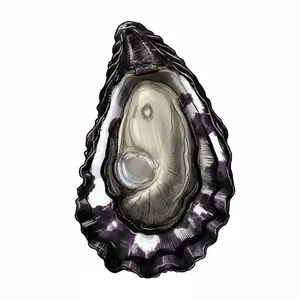
Penn Cove Select
US West CoastThe definitive Pacific Northwest oyster with stunning black and purple shells. Beach-raised in Samish Bay and finished in Penn Cove, these award-winning oysters deliver firm meats, bright brininess, and a distinctive crisp cucumber finish.
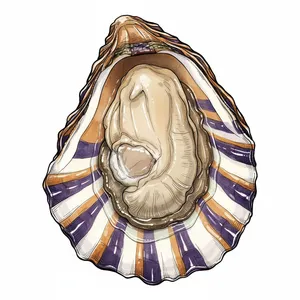
Carlsbad Blonde
US West CoastSouthern California's signature oyster from Carlsbad's Agua Hedionda Lagoon. Grown in suspended culture with distinctive glassy, striped shells. Strongly briny with refreshing melon and cucumber notes, balanced between briny and sweet.
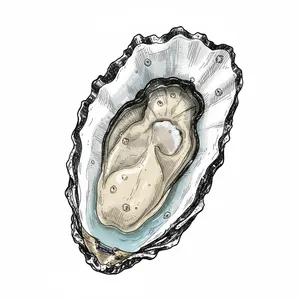
Elkhorn
US West CoastBeach-grown Pacific oyster from Washington's Willapa Bay. Firm and meaty with intense, robust flavor featuring high brininess, natural sweetness, and a distinctive mineral-melon finish.
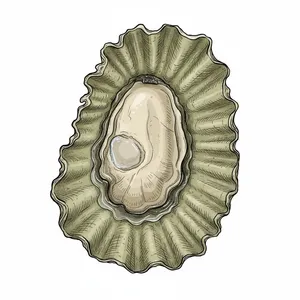
Glacier Point
US West CoastAlaskan oyster from Kachemak Bay's glacier-fed waters. Intensely briny and umami-rich with distinctive salinity and thick shell. Less cucumbery than typical Pacifics, with a unique 'touch of king salmon' flavor.
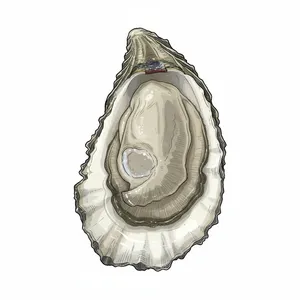
Kachemak Bay
US West CoastSlow-growing Pacific oyster from Alaska's glacial Kachemak Bay waters. More briny and umami-forward than typical Pacifics, with crisp texture, cucumber-melon notes, and a clean vegetal finish with hints of nori and green tea.
Learn More
The Big Five: A Complete Guide to Commercial Oyster Species
Comprehensive guide to C. virginica (Atlantic), C. gigas (Pacific), C. sikamea (Kumamoto), O. lurida (Olympia), and O. edulis (European Flat)
Read article → Biology & SpeciesThe Pacific Oyster (C. gigas): Cream, Cucumber, and the Japanese Legacy
Understanding the world's most cultivated oyster - from Japanese origins to West Coast dominance
Read article → Merroir & EnvironmentWhat Is Merroir? How Water Shapes Oyster Flavor
Merroir is the marine version of terroir: how salinity, temperature, tides, and plankton in the growing water shape an oyster's flavor. The science, plus how to taste it.
Read article →