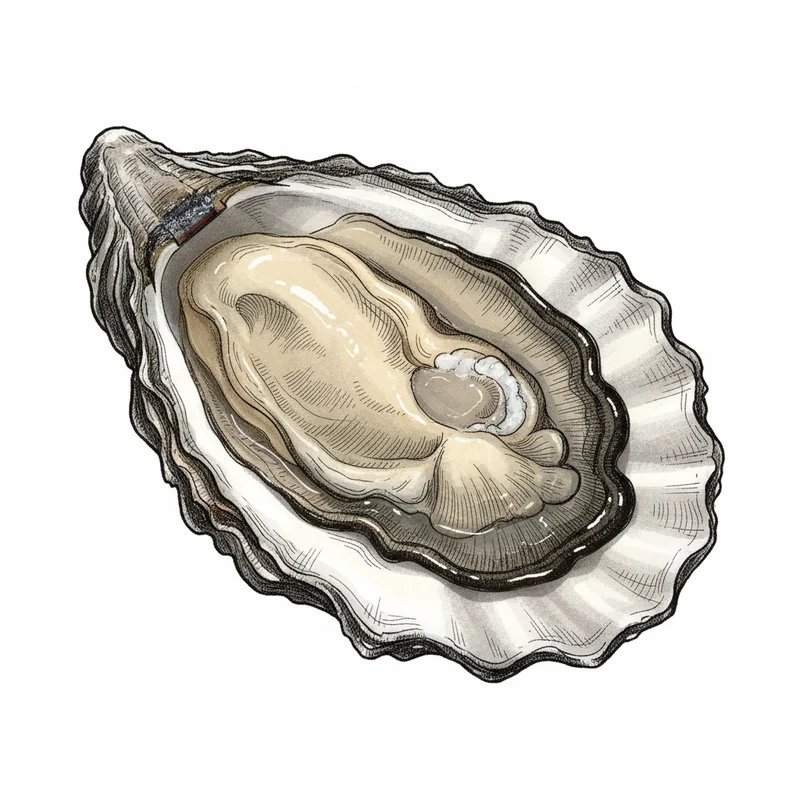
Drayton Harbor
Crassostrea gigas
Sweet, artisan-cultured Pacific oysters from northern Puget Sound's community farm. Plump meat with low brininess and a clean, savory finish. Not sold commercially—visit the farm in Washington State.
At a Glance
Drayton Harbor is a Pacific oyster (Crassostrea gigas) from the US West Coast. It is mildly briny (2/5 brininess) and distinctly sweet (4/5 sweetness), with sweet, savory flavors and a finish that is sweet, clean, subtle brine. It is considered a beginner-friendly oyster.
Flavor Profile
Finish
Sweet, clean, subtle brine
Expert Notes
Drayton Harbor oysters are grown at the Community Oyster Farm using unique artisan culture techniques that combine intertidal beach cultivation with line suspension methods. These Pacific oysters showcase the pristine waters of northern Puget Sound near the Georgia Strait, delivering plump, sweet meat with low brininess and plentiful liquor. The farm's collaborative partnership with the natural environment produces richly delicious oysters with a distinctively sweet and savory character that makes them exceptionally approachable. Origin & Characteristics
- Species
- Crassostrea gigas
- Native to
- Japan
- Grown in
- Drayton Harbor, Northern Puget Sound, Washington
- Size
- Medium to Large (3-4.5 inches)
- Shell Color
- Gray-white
- Meat Color
- Cream
What Experts Say
Across 8 sources, tasters describe this oyster as:
Unique notes: tide-tumbled, artisan-cultured
"Richly delicious Pacific oysters with specific characteristics for each of our Restaurant Menu items. Tide-tumbled, Drayton Harbor Pacifics."
richdelicious
"Those who make the visit argue that Drayton Harbor Oyster Co. has some of the best tasting oysters in the world."
"Sustainably cultivated Drayton Harbor Pacific oysters grilled, stewed, or raw on an idyllic patio overlooking the water."
sustainablefresh
"Two distinct flavor profiles showcased: Sweet and spicy (using bourbon and chilis in adobo for a rush of heat), and savory garlic and Parmesan (rich buttery, melt-in-your-mouth delight)."
sweetspicybutterysavoryrich
About the Farm
Drayton Harbor Oyster Company
Est. 1992Originally opened by Steve Seymour and Geoff Menzies in 1992, the business faced closure in 1995 due to pollution. After extensive restoration efforts and over $30 million in environmental work, the harbor was cleaned and the company was revived in 2013-2015 by Steve and Mark Seymour.
- Cultivation Method
- suspended culture
History & Background
Drayton Harbor Oyster Company has been around in one way or another since the 1980s, with Geoff Menzie as the first owner. The harbor was closed to shellfish harvesting in 1995 due to pollution. A Community Oyster Farm started in 2001 with special permission from the state. After a 20-year period of environmental restoration costing over $30 million, the commercial operation was able to resume.
Drayton Harbor is re-emerging as a new destination for fresh seafood in the Pacific Northwest, located near the Canadian border. The oysters are part of the region's culture and cuisine, with shellfish being important since time immemorial.
Did You Know?
- The farm is located less than a mile from the restaurant
- Drayton Harbor produces a 'Dark Harbor Oyster Stout' in collaboration with Atwood Ales, using whole oysters including shell, meat and brine in the brewing process
- Not sold commercially - visitors must come to the farm in Washington State
- The lower mainland's most geographically local oyster farm to the Canadian border
Sources & References
This information was compiled from 8 sources.
- Drayton Harbor Oyster Co. — draytonharboroysters.com
- Drayton Harbor Oyster Company and a Fresh Oyster Experience in Blaine — bellingham.org
- Salish Sea Oyster Road Trip — stateofwatourism.com
- From Tide to Table — theplanetmagazine.net
- Conservation Stories: Drayton Harbor Oyster Company — whatcomcd.org
- Ocean-to-table journey of uniquely tasty oysters takes work — salish-current.org
- Grilled Oysters Two Ways with Drayton Harbor Oysters — squarespace.com
- How Drayton Harbor overcame a legacy of pollution — eopugetsound.org
Similar Oysters
Bald Point
US West CoastSmall, beach-cultured Pacific oyster from Hood Canal, Washington. Low brininess with a sweet, delicate flavor and distinctive musky finish. Hardy shells from intertidal cultivation.
Hammersley Inlet
US West CoastBeach-grown Pacific oyster from South Puget Sound's Hammersley Inlet. Plump and sweet with mild saltiness, rich body, and a distinctive cucumber-melon finish. Grown in nutrient-dense waters for excellent meat-to-shell ratio.
Pacific Gold
US West CoastSuspension-raised Pacific oyster from Discovery Bay, Washington and Morro Bay, California. Large, sweet, and mild with firm meats, lovely fluted shells, and a fresh, crisp finish.
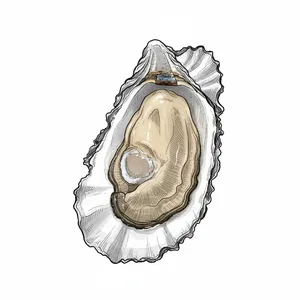
Pickering Passage
US West CoastA Pacific Northwest oyster from southern Puget Sound's nutrient-rich waters. Medium to large with tender, plump meats. Mild brine balanced with sweet richness and a crisp finish of melon and cucumber.
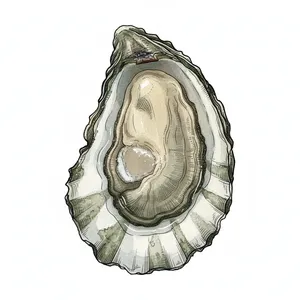
Steamboat
US West CoastBeach-grown Pacific oyster from Totten Inlet, Puget Sound. Small and deep-cupped with sweet, melon-scented flesh and refreshing cucumber crispness. Exceptionally wine-friendly with mild, earthy character.
Learn More
The Big Five: A Complete Guide to Commercial Oyster Species
Comprehensive guide to C. virginica (Atlantic), C. gigas (Pacific), C. sikamea (Kumamoto), O. lurida (Olympia), and O. edulis (European Flat)
Read article → Biology & SpeciesThe Pacific Oyster (C. gigas): Cream, Cucumber, and the Japanese Legacy
Understanding the world's most cultivated oyster - from Japanese origins to West Coast dominance
Read article → Merroir & EnvironmentWhat Is Merroir? How Water Shapes Oyster Flavor
Merroir is the marine version of terroir: how salinity, temperature, tides, and plankton in the growing water shape an oyster's flavor. The science, plus how to taste it.
Read article →