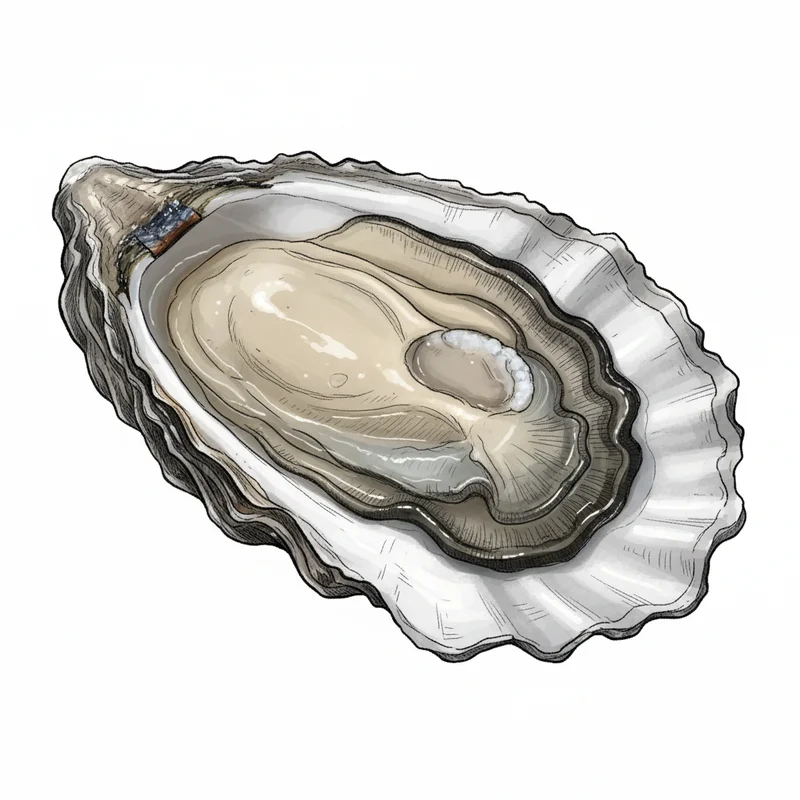
Eagle Rock
Crassostrea gigas
Classic Totten Inlet oyster from South Puget Sound. Bag-to-beach cultivated for creamy, sweet meat with high brininess and the distinctive nori finish that defines the region. Saltier than most South Sound varieties.
At a Glance
Eagle Rock is a Pacific oyster (Crassostrea gigas) from the US West Coast. It is notably briny (4/5 brininess) and distinctly sweet (4/5 sweetness), with briny, sweet, creamy flavors and a finish that is nori, fruity, distinctive totten character.
Flavor Profile
Finish
Nori, fruity, distinctive Totten character
Expert Notes
Eagle Rock oysters are classic Totten Inlet oysters grown using the bag-to-beach method, spending eight months in mesh bags before being scattered on the beach to fatten and harden. They showcase the distinctive Totten terroir with creamy, sweet meats and that signature nori finish characteristic of South Puget Sound oysters. Notably saltier than other South Sound varieties like Skookums, these oysters deliver high brininess balanced by natural sweetness and a buttery texture with hints of seaweed and fruit on the finish. Origin & Characteristics
- Species
- Crassostrea gigas
- Native to
- Japan
- Grown in
- Totten Inlet, South Puget Sound, Washington
- Size
- Small to Medium (2-3.5 inches)
- Shell Color
- Gray-white
- Meat Color
- Cream
What Experts Say
Across 5 sources, tasters describe this oyster as:
Unique notes: mineral, deep flavors, soft butter-like texture, glycogen-rich
"They are creamy and sweet, with that distinctive Totten nori flavor. More salty than Skookums and many other South Sound oysters."
creamysweetnorisalty
"Eagle Rock, Washington: minerally, deep flavors, soft butter-like texture"
mineraldeepbuttery
"High brininess, creamy texture, sweet flavor with a nori finish"
brinycreamysweetnori
"The oyster generally tastes mildly salty, and the meats tend to have a lot of fat (glycogen) on them, making them plump and sweet. They often have so much sweet to them that it masks the fruity aftertaste common to the pacific oyster."
mild saltplumpsweet
"The oyster generally tastes mildly salty, and the meats tend to have a lot of fat (glycogen) on them, making them plump and sweet. They often have so much sweet to them that it masks the fruity aftertaste common to the pacific oyster."
mild saltplumpsweetglycogen-rich
About the Farm
Produced by a small, family-run operation in Totten Inlet that does the difficult and time-consuming work required to keep oyster densities low, resulting in very nicely shaped oysters.
- Cultivation Method
- bag to beach
History & Background
Named after the actual Eagle Rock in Totten Inlet, a locally known perch where bald eagles like to sit, though they haughtily ignore the oysters below.
Classic Totten Inlet oyster from South Puget Sound, representing the distinctive character of this famous Pacific Northwest oyster region.
Did You Know?
- Bald eagles perch on the actual Eagle Rock but ignore the oysters
- The oysters are introduced to the beach at a site distinguished by the imposing Eagle Rock formation
Sources & References
This information was compiled from 5 sources.
- Eagle Rock - The Oyster Guide — oysterguide.com
- Eagle Rock Oyster - Chefs Resources — chefs-resources.com
- My Epic World Oyster Tour - In A Half Shell — inahalfshell.com
- Eagle Rock - Fortune Fish Co. — fortunefishco.net
- Eagle Rock Oyster - Marinelli Shellfish — marinellishellfish.com
Similar Oysters
Hog Island Sweetwater
US West CoastThe signature California oyster from Tomales Bay. Rich and sweet with creamy, buttery texture, balanced brine, and a slightly smoky finish.
Calm Cove
US West CoastBeach-grown Pacific oyster from Washington's Totten Inlet and Hood Canal. Sweet and creamy with balanced brininess and a clean mineral finish. Cultivated by the Fagergren Family since 1946 in the nutrient-rich waters of South Puget Sound.
Humboldt Gold
US West CoastIntertidal beach-cultured Pacific oyster from Humboldt Bay, Northern California. Full, plump meats with medium brininess, buttery sweetness, and a clean cucumber finish. Excellent for both beginners and connoisseurs.
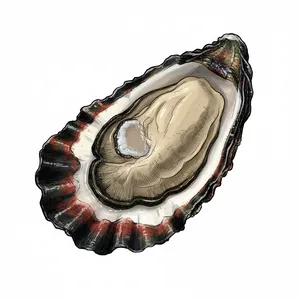
Treasure Cove
US West CoastPremium Pacific oyster from Case Inlet in Southern Puget Sound. Deep-cupped with plump meat, offering a distinctive sweet-salty balance with crisp brininess and an intensely sweet, clean finish.
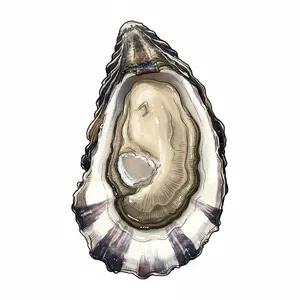
Baywater Sweet
US West CoastBoutique Pacific oyster from Thorndyke Bay in Hood Canal, Washington. Deep-cupped with exceptionally sweet flavor balanced by high brininess and a rich umami finish. Tumbled in tides, producing strong shells and full meat.
Learn More
The Big Five: A Complete Guide to Commercial Oyster Species
Comprehensive guide to C. virginica (Atlantic), C. gigas (Pacific), C. sikamea (Kumamoto), O. lurida (Olympia), and O. edulis (European Flat)
Read article → Biology & SpeciesThe Pacific Oyster (C. gigas): Cream, Cucumber, and the Japanese Legacy
Understanding the world's most cultivated oyster - from Japanese origins to West Coast dominance
Read article → Merroir & EnvironmentWhat Is Merroir? How Water Shapes Oyster Flavor
Merroir is the marine version of terroir: how salinity, temperature, tides, and plankton in the growing water shape an oyster's flavor. The science, plus how to taste it.
Read article →