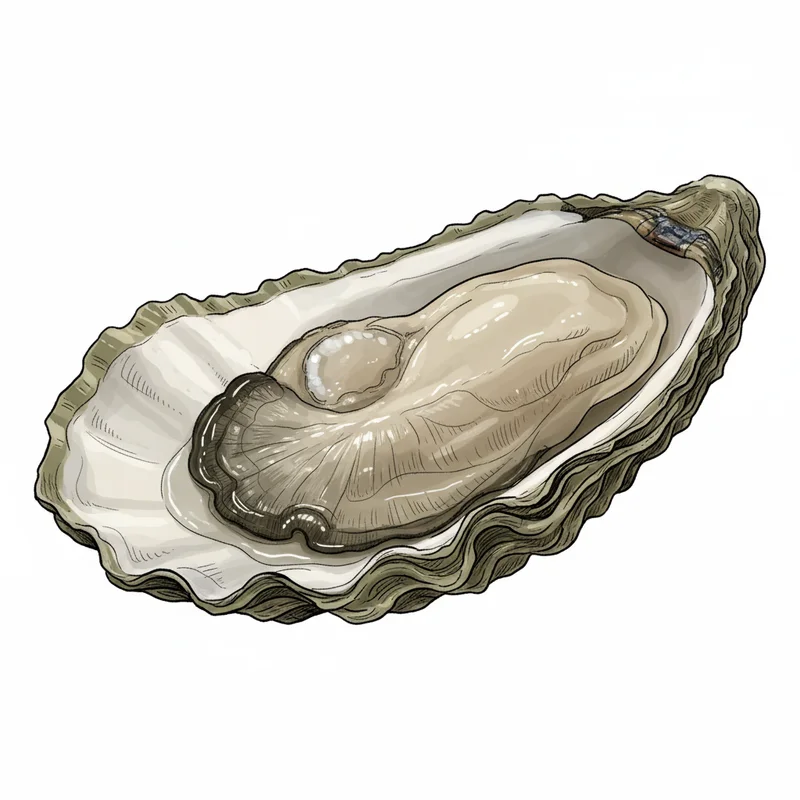
Glacier Point
Crassostrea gigas
Alaskan oyster from Kachemak Bay's glacier-fed waters. Intensely briny and umami-rich with distinctive salinity and thick shell. Less cucumbery than typical Pacifics, with a unique 'touch of king salmon' flavor.
At a Glance
Glacier Point is a Pacific oyster (Crassostrea gigas) from the US West Coast. It is notably briny (4/5 brininess) and moderately sweet (3/5 sweetness), with briny, sweet, umami flavors and a finish that is strong, salty, memorable with a touch of king salmon.
Flavor Profile
Finish
Strong, salty, memorable with a touch of king salmon
Expert Notes
Glacier Point oysters stand apart from typical Pacific oysters with their distinctive umami-rich brine and less cucumbery flavor profile. Grown in the pristine, glacier-fed waters of Kachemak Bay for 3-4 years, these oysters develop an intense salinity and thick shell that reflect their Alaskan terroir. The unique flavor has been described as having 'a touch of king salmon' with a khaki-colored shell that looks more Eastern than Pacific, making them some of the most distinctive and sensational oysters Alaska has ever produced. Origin & Characteristics
- Species
- Crassostrea gigas
- Native to
- Japan
- Grown in
- Halibut Cove, Kachemak Bay, Alaska
- Size
- Medium (3-3.5 inches)
- Shell Color
- Khaki with less dark rim than typical Pacifics
- Meat Color
- Light cream
What Experts Say
Across 9 sources, tasters describe this oyster as:
Unique notes: umami, mineral meltwater, spring water, vegetal, dynamic brine
"This oyster is perfect, medium cupping, salinity mild but the sweetness of the meat is just out of this world. It hits with just a touch of salt, then you get the crisp clean spring water flavor from the liquor, then the oyster comes in with a sweet almost umami flavor then finishes with a melon note that really just tickles your soul."
sweetumamimeloncrispclean
"These were the best oysters I've ever eaten! These things were so crisp, clean, plump and juicy! With an awesome melon like finish."
crispcleanplumpjuicymelon
"Nice briny clean taste with the west coast cucumber flavor."
brinycleancucumber
"Good representation of west coast oyster. Medium salt, fruity melon taste. Medium cup."
medium saltfruitymelon
"The flavor marries the strong brine of the Gulf of Alaska to the mineral meltwater from the Kachemak Bay State Park glaciers."
brinymineralstrong brine
"A crisp bite with a refreshing cucumber finish."
crispcucumberrefreshing
"They are known for their sweet and almost umami taste, which comes from the unique marine environment surrounding them. Unlike other Pacific oysters, they do not have the typical cucumber finish."
sweetumami
"Dynamic brine with a gentle crunch and a clean vegetal finish."
brinydynamic brinevegetalcleancrunchy
"Dynamic briny flavor with a medium texture and a bright vegetal finish."
brinydynamicvegetalbrightmedium texture
"Alaskan oysters are known for a flavor profile that is crisp, clean, and less briny than other oysters; it is comparable to cucumber or melon."
crispcleanless brinycucumbermelon
About the Farm
Alaska Shellfish Farms
Est. 2007Family-owned and operated by Weatherly and Greg Bates, who moved from Maine where they produced Georges River Oysters. Located in Halibut Cove, Alaska (population 30), surrounded by Kachemak Bay State Park wilderness.
- Cultivation Method
- suspended culture
History & Background
Greg and Weatherly Bates relocated from Maine to Alaska in 2007 seeking adventure and established one of the most successful oyster farms in Alaska. They are now producing about 300,000 oysters per year and are the most successful Alaska oyster farmers of all time.
Grown in one of the most pristine and northernmost oyster farms in the world, in glacier-fed waters of Kachemak Bay. The farm is located in the remote community of Halibut Cove with only 15 year-round residents.
Did You Know?
- Sea otters and orcas frequent the oyster rafts
- The farm is surrounded by bears that outnumber people 100 to 1
- Weatherly Bates plugged her first bear when she was nine months pregnant
- Unlike other oysters, Glacier Points do not spawn, allowing them to retain their refreshing flavor for longer
- Named after Glacier Spit near the farm, with the massive Grewingk Glacier towering above
- Grown in 30-foot tidal exchanges in Kachemak Bay
Sources & References
This information was compiled from 9 sources.
- Glacier Point — Oysterater
- Glacier Point Oysters - The Oyster Encyclopedia — Oyster Encyclopedia
- Glacier Point - Penn Cove Shellfish — Penn Cove Shellfish
- Tide to Table Profile: Alaska Shellfish Farms — NOAA Fisheries
- Glacier Point Oyster — Oysterology Online — Pangea Shellfish
- Glacier Point Oysters — Samuels Seafood
- Glacier Points in Halibut Cove, Alaska — The Oyster Guide
- Alaska Shellfish Farms, LLC — Alaska Shellfish Farms
- Coming out of its shell: Alaska oyster industry flourishes — ADN
Similar Oysters
Elkhorn
US West CoastBeach-grown Pacific oyster from Washington's Willapa Bay. Firm and meaty with intense, robust flavor featuring high brininess, natural sweetness, and a distinctive mineral-melon finish.
Kachemak Bay
US West CoastSlow-growing Pacific oyster from Alaska's glacial Kachemak Bay waters. More briny and umami-forward than typical Pacifics, with crisp texture, cucumber-melon notes, and a clean vegetal finish with hints of nori and green tea.
Grassy Bar
US West CoastHand-cultivated Pacific oyster from Morro Bay's high-energy estuary. Deeply briny with crisp sweetness and distinctive cucumber and wet-stone minerality. Entirely grown in Southern-Central California from seed to harvest.
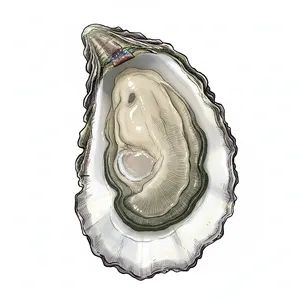
Penn Cove
US West CoastThe definitive Pacific oyster. Firm, briny meats with bright cucumber and umami notes, finished clean and steely.
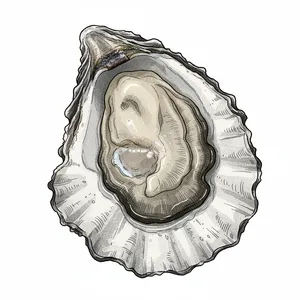
Spring Creek
US West CoastA briny Pacific Northwest oyster prized for its firm texture and intense umami flavor. Best in early spring when amino acids create peak savory intensity with a clean, assertive finish.
Learn More
The Big Five: A Complete Guide to Commercial Oyster Species
Comprehensive guide to C. virginica (Atlantic), C. gigas (Pacific), C. sikamea (Kumamoto), O. lurida (Olympia), and O. edulis (European Flat)
Read article → Biology & SpeciesThe Pacific Oyster (C. gigas): Cream, Cucumber, and the Japanese Legacy
Understanding the world's most cultivated oyster - from Japanese origins to West Coast dominance
Read article → Merroir & EnvironmentWhat Is Merroir? How Water Shapes Oyster Flavor
Merroir is the marine version of terroir: how salinity, temperature, tides, and plankton in the growing water shape an oyster's flavor. The science, plus how to taste it.
Read article →