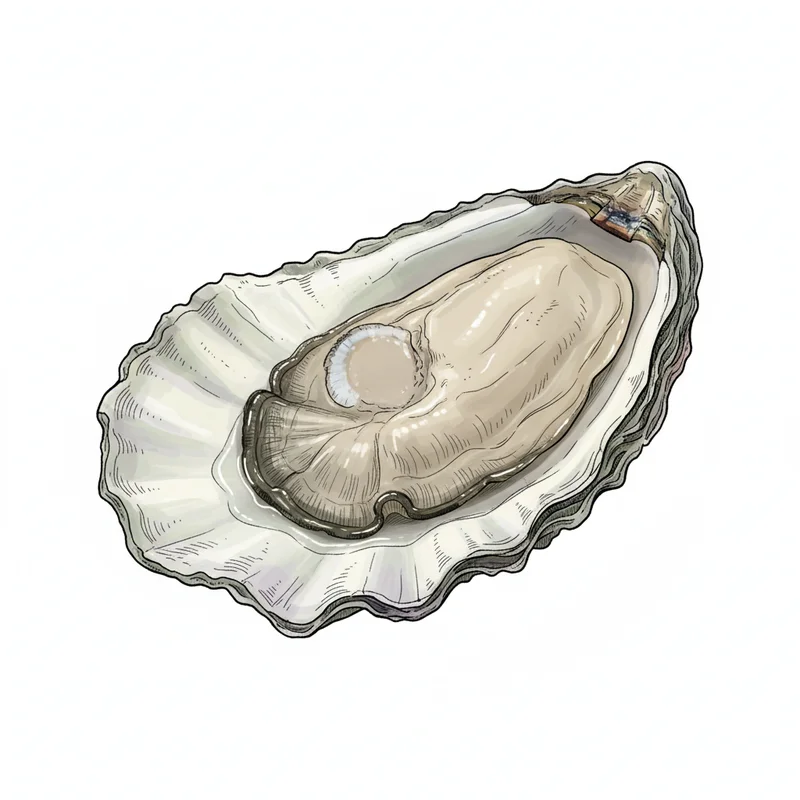
Grassy Bar
Crassostrea gigas
Hand-cultivated Pacific oyster from Morro Bay's high-energy estuary. Deeply briny with crisp sweetness and distinctive cucumber and wet-stone minerality. Entirely grown in Southern-Central California from seed to harvest.
At a Glance
Grassy Bar is a Pacific oyster (Crassostrea gigas) from the US West Coast. It is notably briny (4/5 brininess) and moderately sweet (3/5 sweetness), with briny, sweet, mineral flavors and a finish that is clean, lingering minerality with wet-river-stone notes.
Flavor Profile
Finish
Clean, lingering minerality with wet-river-stone notes
Expert Notes
Grassy Bar oysters are cultivated in the high-energy, well-protected estuary of Morro Bay with direct exposure to the open ocean, creating a distinctly briny Pacific oyster with remarkable depth. Hand-cultivated from seed to harvest entirely in Southern-Central California, these oysters develop thin shells, deep cups, and an intensely oceanic flavor profile. Local sommeliers note hints of garden cucumber balanced with lingering wet-river-stone minerality, making them a favorite at Michelin-starred San Francisco restaurants. Origin & Characteristics
- Species
- Crassostrea gigas
- Native to
- Japan
- Grown in
- Morro Bay, Central California Coast
- Size
- Small to Medium (2-2.5 inches)
- Shell Color
- Thin, light-colored
- Meat Color
- Cream
What Experts Say
Across 10 sources, tasters describe this oyster as:
Unique notes: watermelon, asparagus, pistachio, grassy, wet-stone, seafood veloute
"Can't believe there aren't more five star reviews for these. Just the ideal oyster experience, right amount of brininess, superb 'ocean' flavor at the finish!"
brinyocean
"Absolutely one of the best choices for fresh oysters on the West Coast. Available in a small size (2-3" shell length), making them great for oysters on the half shell and a medium size (3-4" shell length); excellent on the grill for a summertime BBQ!"
fresh
"Grassy Bars are powerfully briny, with a buttery, briny, seafood veloute flavor, and a bitter finish reminiscent of asparagus and pistachios. The melon and cuke I associate with Central Coast oysters might have been more apparent at another time of year."
brinybutterybitterasparaguspistachio
"Locally harvested Grassy Bar Oysters present a unique flavor profile influenced by the salinity and ecology of the waters that flow in and out of Morro Bay. A Grassy Bar Oyster hits the palate with a briny flavor, sweet undertones, and grassy finish."
brinysweetgrassy
"Grassy Bars have an unmistakable taste of watermelon and a briny, robust and satisfying flavor."
watermelonbrinyrobust
"Oysters grown in Morro Bay tend to have a crisp sweet taste and a mild saltiness."
crispsweetmildsalty
About the Farm
Grassy Bar Oyster Company
Est. 2009Founded by George Trevelyan and his family in 2009 in Morro Bay, California. George previously worked at the Cayucos Abalone farm before seeing an opportunity in oyster farming. The family has over 21 years of experience in the shellfish industry.
- Cultivation Method
- suspended culture
History & Background
Morro Bay has a long oyster farming history dating back to the 1930s when approximately 1,600 acres of oysters were cultivated there. During WWII, it was the largest oyster operation in the United States, with oyster seedlings thrown onto plentiful sandbars. By the 1980s, production had dwindled as operations spread to other parts of California.
Grassy Bar oysters are entirely grown in Southern-Central California from seed to harvest, making them one of the few hyper-local 'seed to table' aquaculture businesses in the state. The oysters start as seed in a San Pedro hatchery before being hand-cultivated in Morro Bay.
Did You Know?
- The oysters are named after the grassy, green-brown swirl pattern on their shells
- Oysters are grown in mesh bags on natural mudflats in Morro Bay's intertidal zone
- Prior to harvest, oysters are raised onto racks for a few days to roll them with the waves, resulting in prettier shells
- The farm tends to about one million oysters each year on their 50-acre operation
Sources & References
This information was compiled from 10 sources.
- Grassy Bar Oyster — Oysterater
- Grassy Bar Oysters — The Oyster Guide by Rowan Jacobsen
- California Grassy Bar Oysters - Dozen — Santa Barbara Fish Market
- Oysters, Grassy Bar — Santa Monica Seafood
- Two Sustainable Seafood Companies You Need to Know About — California Grown
- Grassy Bar Pacific Miyagi Oysters Petite Size — Holdfast Aquaculture
- Oysters / Grassy Bar / Ocean Farming — Get Hooked Seafood
- Grassy Bar Oyster Company — Grassy Bar Oyster Company
- Awe, Shucks! — Edible San Luis Obispo
- Top Morro Bay Oyster Restaurants and Oyster Recipes — Morro Bay Tourism
Similar Oysters
Snow Creek
US West CoastA challenging Pacific Northwest oyster from Discovery Bay, Washington. Suspension-cultured at 60 feet deep, delivering firm, plump meats with robust brininess, distinctive iron-mineral notes, and a sweet finish.
Elkhorn
US West CoastBeach-grown Pacific oyster from Washington's Willapa Bay. Firm and meaty with intense, robust flavor featuring high brininess, natural sweetness, and a distinctive mineral-melon finish.
Glacier Point
US West CoastAlaskan oyster from Kachemak Bay's glacier-fed waters. Intensely briny and umami-rich with distinctive salinity and thick shell. Less cucumbery than typical Pacifics, with a unique 'touch of king salmon' flavor.
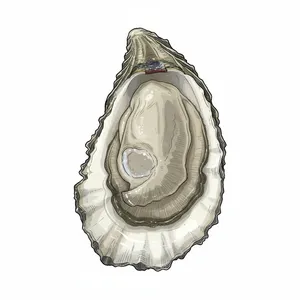
Kachemak Bay
US West CoastSlow-growing Pacific oyster from Alaska's glacial Kachemak Bay waters. More briny and umami-forward than typical Pacifics, with crisp texture, cucumber-melon notes, and a clean vegetal finish with hints of nori and green tea.
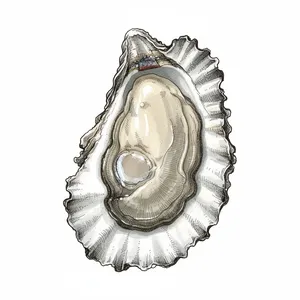
Salish Sea
US West CoastCold-water Pacific oyster from the inland waters of Washington and British Columbia. Tray-raised with distinctively briny, metallic flavor balanced by subtle sweetness and clean mineral finish.
Learn More
The Big Five: A Complete Guide to Commercial Oyster Species
Comprehensive guide to C. virginica (Atlantic), C. gigas (Pacific), C. sikamea (Kumamoto), O. lurida (Olympia), and O. edulis (European Flat)
Read article → Biology & SpeciesThe Pacific Oyster (C. gigas): Cream, Cucumber, and the Japanese Legacy
Understanding the world's most cultivated oyster - from Japanese origins to West Coast dominance
Read article → Merroir & EnvironmentWhat Is Merroir? How Water Shapes Oyster Flavor
Merroir is the marine version of terroir: how salinity, temperature, tides, and plankton in the growing water shape an oyster's flavor. The science, plus how to taste it.
Read article →