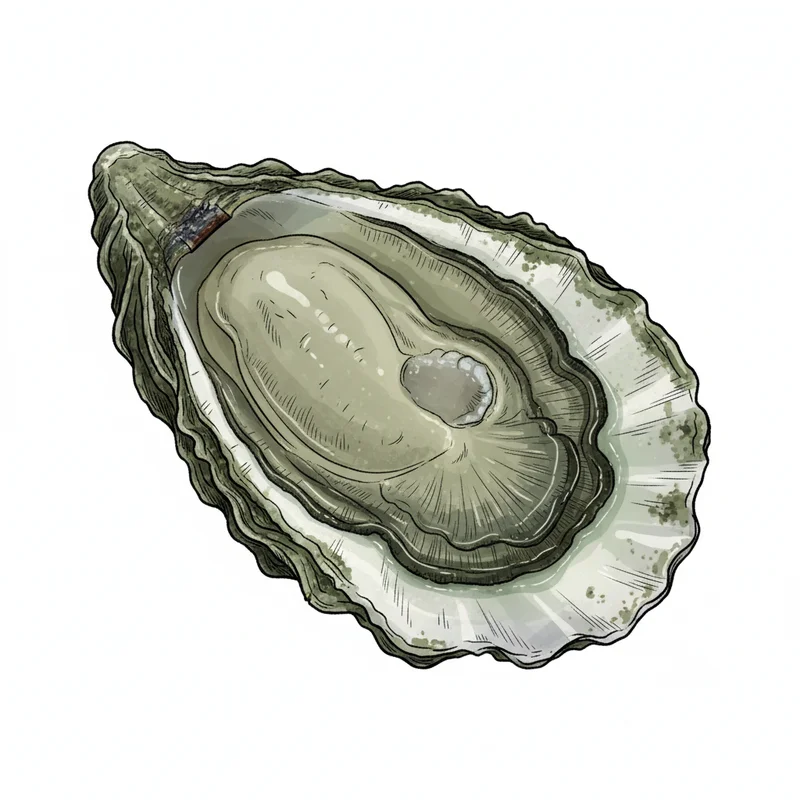
Hama Hama
Crassostrea gigas
Classic Pacific Northwest oyster with delicately sweet flesh and herbaceous notes. Lichen-green shells with a distinctive watermelon-rind flavor profile.
At a Glance
Hama Hama is a Pacific oyster (Crassostrea gigas) from the US West Coast. It is mildly briny (2/5 brininess) and distinctly sweet (4/5 sweetness), with sweet, melon, herbaceous flavors and a finish that is clean, delicately sweet, refreshing. It is considered a beginner-friendly oyster.
Flavor Profile
Finish
Clean, delicately sweet, refreshing
Expert Notes
The classic example of the green watermelon-rind style of Pacific oysters. Grown on the edge of the Olympic Peninsula where the Hama Hama River pours out of the snowcapped mountains, these beach-grown oysters develop lichen-green shells scuffed by beach life. The herbaceous character and delicate sweetness are enhanced by the oyster's maturity—typically 2.5 to 3 years old before harvest. Origin & Characteristics
- Species
- Crassostrea gigas
- Native to
- Japan
- Grown in
- Hood Canal, Washington, Hamma Hamma River Estuary
- Size
- Medium (2.5-3 inches)
- Shell Color
- Lichen-green, scuffed
- Meat Color
- Light green-gray
Perfect Pairings
What Experts Say
Across 10 sources, tasters describe this oyster as:
Unique notes: watermelon-rind, melon-rind, trout lily, lawnmower grass clippings, guanciale-esque
"Mild brininess with vegetal notes; crisp cucumber finish. Medium, around 3 inches with high meat-to-shell ratio and firm meats."
brinyvegetalcucumbercrispclean
"Medium, good chew, strong shells, crisp, clean brine, like lawnmower grass clippings"
crispcleanbrinygrassyvegetal
"My go-to favorite. When I taste a Pacific oyster, this is what I compare it to."
"I love the bold character of this oyster, finishing with a mild briny aftertaste and touch of minerality"
boldbrinymineral
"Known for a clean, crisp flavor that finishes with a hint of melon-rind or cucumber. Hama Hamas, like this place we call home, are highly seasonal, and tend to be sweeter in the spring and brinier in the fall and winter."
cleancrispmeloncucumbersweet
"Hama Hama oysters have a subtle cucumber flavor, while the farm's Blue Pool oysters are rounder and plumper, with sweet carrot notes."
cucumbersubtle
"It's the flavor of salted wild greens—spinach, pig weed, salsify, and especially trout lily. The oysters also are physically distinct, with the most ruffled shells I've ever seen."
saltyvegetalgreenherbaceous
"Lichen-green shells, scuffed up by life on the beach, with a signature watermelon-rind flavor"
watermelon-rindmelon
"The flavor is the same cucumbery, savory, meaty, guanciale-esque excellence profile you get in regular Hama Hamas."
cucumbersavorymeatyumami
"Firm, clean, crisp, and fruity flavors with mild brininess and vegetal notes."
firmcleancrispfruitybriny
About the Farm
Hama Hama Oyster Company
Est. 1890sFounded by Daniel Miller Robbins who purchased property along Hood Canal in the 1890s with timber in mind, not oysters. Now over a century later, Hama Hama is a family-owned and operated sustainable farm spanning five generations.
- Cultivation Method
- beach culture
History & Background
The company's origins date back to the 1890s when Daniel Miller Robbins purchased property along Hood Canal. Initially focused on timber, the family shifted to oyster farming in the 1950s. The company has been cultivating oysters on the Hamma Hamma River delta since 1922, making it one of the longest-running oyster operations in Washington State.
Hama Hama is celebrated for maintaining natural-set oyster cultivation methods in Hood Canal and for pioneering value-added oyster products like smoked and pickled varieties. The farm operates a popular oyster saloon on-site where visitors can taste oysters fresh from the tideflats.
Did You Know?
- The Hamma Hamma River delta is home to several million oysters at any given time, all harvested during low tide
- The oysters have the most ruffled shells of any Pacific Northwest variety due to life on the gravelly beach
- Rowan Jacobsen calls the Hamma Hamma River delta his 'favorite oyster delta in the world'
- The frigid, glassy river scours the gravelly delta clean of debris each year, creating ideal growing conditions
- A rock on the farm contains 40-million-year-old clamshells, dated by the University of Washington
Sources & References
This information was compiled from 10 sources.
- Hama Hama Oyster Reviews and Ratings — Oysterater
- Hama Hama Oyster Flavor Profile — Hama Hama Oyster Company
- Hama Hamas Smoked, Pickled, and Straight Up — The Oyster Guide
- Hama Hama Oysters — AFAR
- Hama Hama Oysters - The Oyster Encyclopedia — The Oyster Encyclopedia
- Six generations of excellence: Hama Hama Company — Tideland Magazine
- Oysters & Chablis Pairing Guide — The Oyster Guide
- Hama Hama Oysters — Chef's Resources
- Blue Pools — The Oyster Guide
- Hama Hama Oyster Story — Hama Hama Oyster Company
Similar Oysters
Little Skookum
US West CoastA sweet, musky Pacific oyster from Little Skookum Inlet in South Puget Sound. Deep-cupped with plump, buttery meat, mild brininess, and distinctive melon-scented sweetness with a clean vegetable finish.
Pickering Passage
US West CoastA Pacific Northwest oyster from southern Puget Sound's nutrient-rich waters. Medium to large with tender, plump meats. Mild brine balanced with sweet richness and a crisp finish of melon and cucumber.
Steamboat
US West CoastBeach-grown Pacific oyster from Totten Inlet, Puget Sound. Small and deep-cupped with sweet, melon-scented flesh and refreshing cucumber crispness. Exceptionally wine-friendly with mild, earthy character.
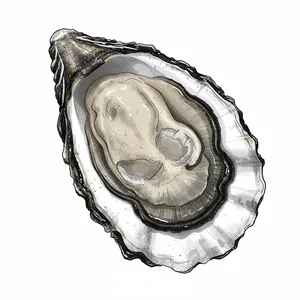
Cold Creek
US West CoastCultivated Pacific oyster from Southern Puget Sound with plump, sweet meat and midsized white-and-black shells. Balanced brininess with a distinctive salty-melon finish reminiscent of a New England clambake.
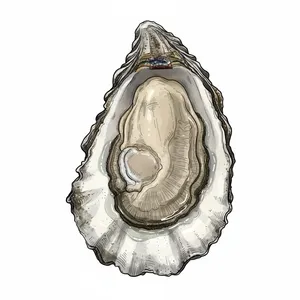
Skookum
US West CoastA sweet, mild Pacific Northwest oyster from South Puget Sound's Little Skookum Inlet. Melon-scented with low brininess and a creamy, herbaceous finish. Farmed since 1883 using rack & bag to beach cultivation.
Learn More
The Big Five: A Complete Guide to Commercial Oyster Species
Comprehensive guide to C. virginica (Atlantic), C. gigas (Pacific), C. sikamea (Kumamoto), O. lurida (Olympia), and O. edulis (European Flat)
Read article → Biology & SpeciesThe Pacific Oyster (C. gigas): Cream, Cucumber, and the Japanese Legacy
Understanding the world's most cultivated oyster - from Japanese origins to West Coast dominance
Read article → Merroir & EnvironmentWhat Is Merroir? How Water Shapes Oyster Flavor
Merroir is the marine version of terroir: how salinity, temperature, tides, and plankton in the growing water shape an oyster's flavor. The science, plus how to taste it.
Read article →