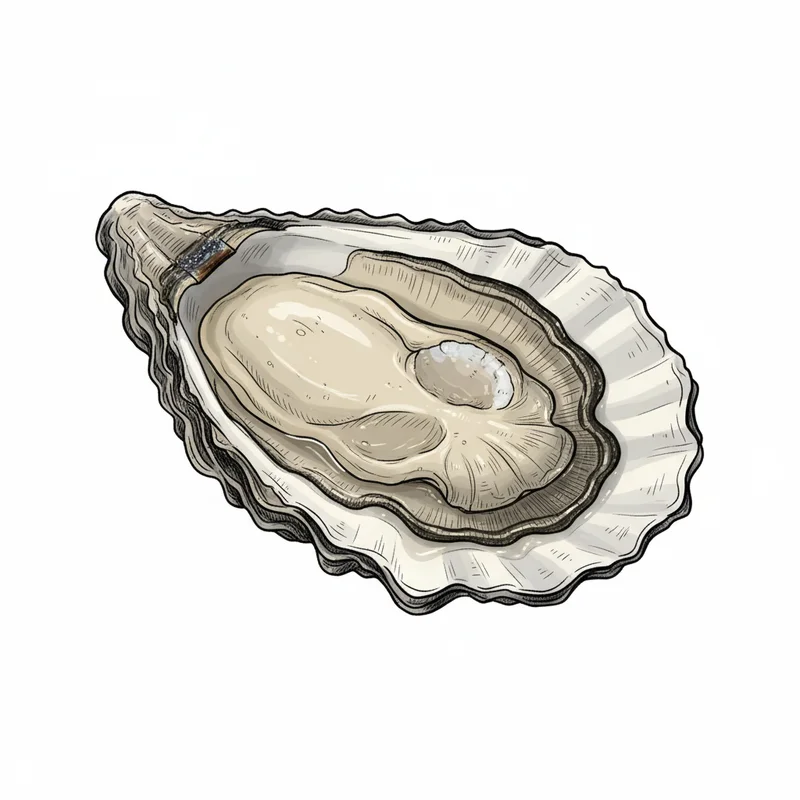
Hog Island Cliffside
Crassostrea gigas
Large, deeply cupped Pacific oyster from Discovery Bay, Washington. Intensely briny with herbaceous spinach/kale notes and a distinctive umami finish reminiscent of aged beef or dried nori. Complex and bold.
At a Glance
Hog Island Cliffside is a Pacific oyster (Crassostrea gigas) from the US West Coast. It is notably briny (4/5 brininess) and moderately sweet (3/5 sweetness), with briny, sweet, herbaceous flavors and a finish that is unusual umami finish like aged beef or dried nori.
Flavor Profile
Finish
Unusual umami finish like aged beef or dried nori
Expert Notes
Hog Island Cliffside oysters from Discovery Bay showcase the intense brininess of the Straits of Juan de Fuca with distinctive herbaceous notes. These large, plump oysters feature a unique tannic spinach/kale character reminiscent of Tomales Bay's profile, complemented by a sweet, glycogen-filled salty-melon flavor. The finish is remarkably complex and unusual, with umami notes resembling aged beef or dried nori, making them a sophisticated choice for adventurous oyster lovers. Origin & Characteristics
- Species
- Crassostrea gigas
- Native to
- Japan
- Grown in
- Discovery Bay, Washington, Straits of Juan de Fuca
- Size
- Large (3-5 inches)
- Shell Color
- Gray-white
- Meat Color
- Plump cream
What Experts Say
Across 5 sources, tasters describe this oyster as:
Unique notes: kale, spinach
"The newest Hog on the block is the Cliffside, grown at HI's new farm in Discovery Bay, Washington, which opens onto the Straits of Juan de Fuca (and thence onto the Pacific Ocean). Disco Bay has long been a favorite spot of mine, both for the Pacific Rim beauty of its hundred-foot cliffs and lonely evergreens, and for the briny flavor of its bivalves. HI Cliffsides fit the bill, adding a tannic spinach/kale note that's very distinctive."
brinytannicspinachkale
"High brininess, tannic, spinachy, earthy flavor, balanced sweet & saltiness. Rack & Bag cultivated in Pacific Washington."
brinytannicspinachyearthysweet
About the Farm
Hog Island Oyster Company
Est. 1982Founded by three marine biologists on California's Tomales Bay in 1982, Hog Island has expanded to include farms in Washington state, including their Discovery Bay location where Cliffside oysters are raised by Peter and Robyn Downey.
- Cultivation Method
- rack and bag
History & Background
The Cliffside is the newest variety in Hog Island's portfolio, introduced around 2014 when the company expanded operations to Discovery Bay, Washington. Discovery Bay opens onto the Straits of Juan de Fuca and thence to the Pacific Ocean, giving these oysters exposure to oceanic conditions.
Part of Hog Island's expansion from their flagship California operation into Pacific Northwest waters, representing the company's diversification strategy to offer multiple flavor profiles from different growing regions.
Did You Know?
- Named after the hundred-foot cliffs that characterize Discovery Bay's Pacific Rim landscape
- Grown specifically for the Hog Island Oyster Bar locations in San Francisco's Ferry Building and other venues
- Hog Island purifies all their oysters post-harvest in UV-sterilized saltwater tanks, creating an exceptionally clean flavor profile
Sources & References
This information was compiled from 5 sources.
- Hog Island Oyster Bar, Bigger & Better — The Oyster Guide
- The Raw Oyster's Tasting Guide — The Raw Oyster
- Hog Island Cliffside Oyster — Oysterater
- Three Little Hogs — The Oyster Guide
- Otter Cove Oyster — Oysterater
Similar Oysters
Fat Bastard
US West CoastThe largest of Taylor Shellfish's tide-tumbled Pacific oysters from Washington State. Bold, briny, and savory with a sweet finish, plump texture, and deep cups filled with generous liquor.
Blue Pool
US West CoastTumbled Pacific oyster from Hood Canal's Hamma Hama River. Deep-cupped with smooth shells, featuring a creamy, crunchy texture and complex flavor profile of cucumber, crisp brine, and a distinctive sweet-vegetal finish.
Tomales Bay Golden Nugget
US West CoastRare tumbled Pacific oyster from Tomales Bay's oldest oyster company. Deep-cupped and plump with smooth buttery brine, rich melon notes, and a distinctive woody artichoke finish. One of California's richest-tasting oysters.
Totten Inlet
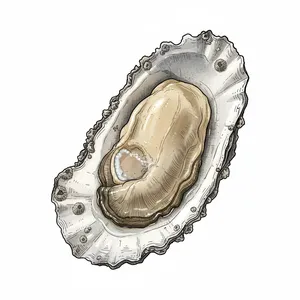
US West CoastLegendary Pacific oyster from South Puget Sound's most renowned fattening grounds. Intensely rich and plump with bold briny flavor, buttery texture, and distinctive seaweed notes that made Totten Inlet famous worldwide.
Baywater Sweet
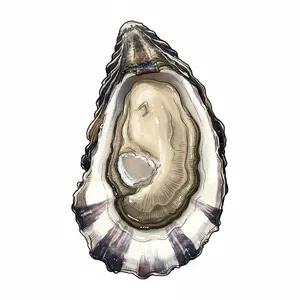
US West CoastBoutique Pacific oyster from Thorndyke Bay in Hood Canal, Washington. Deep-cupped with exceptionally sweet flavor balanced by high brininess and a rich umami finish. Tumbled in tides, producing strong shells and full meat.
Learn More
The Big Five: A Complete Guide to Commercial Oyster Species
Comprehensive guide to C. virginica (Atlantic), C. gigas (Pacific), C. sikamea (Kumamoto), O. lurida (Olympia), and O. edulis (European Flat)
Read article → Biology & SpeciesThe Pacific Oyster (C. gigas): Cream, Cucumber, and the Japanese Legacy
Understanding the world's most cultivated oyster - from Japanese origins to West Coast dominance
Read article → Merroir & EnvironmentWhat Is Merroir? How Water Shapes Oyster Flavor
Merroir is the marine version of terroir: how salinity, temperature, tides, and plankton in the growing water shape an oyster's flavor. The science, plus how to taste it.
Read article →