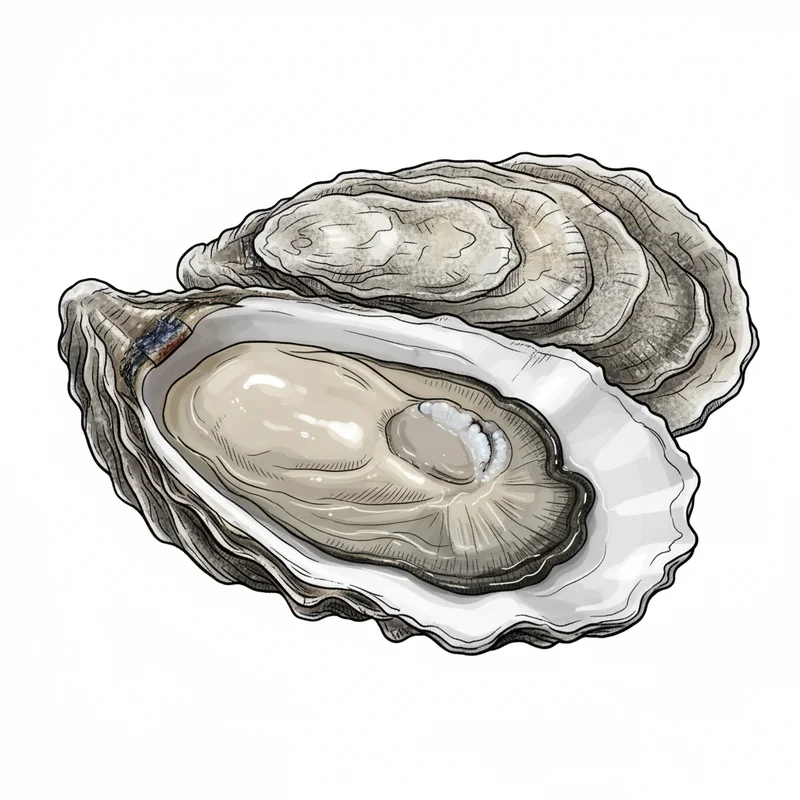
James River
Crassostrea virginica
A mild Virginia oyster from the brackish waters where the James River meets the Chesapeake Bay. Exceptionally plump with low salinity, focusing on sweet cream and savory, earthy notes with a smooth finish.
At a Glance
James River is an Eastern oyster (Crassostrea virginica) from the US East Coast. It is mildly briny (2/5 brininess) and distinctly sweet (4/5 sweetness), with mild, sweet, earthy flavors and a finish that is smooth, sweet cream with earthy notes. It is considered a beginner-friendly oyster.
Flavor Profile
Finish
Smooth, sweet cream with earthy notes
Expert Notes
James River oysters are exceptional examples of brackish water cultivation, grown where the James River meets the Chesapeake Bay. This unique environment produces notably plump oysters with a mild, accessible flavor profile that emphasizes sweetness and creaminess over salinity. The low-salinity brackish waters create a savory, earthy character with hints of sweet cream, making them less briny than their northern cousins while maintaining a rich, smooth finish. These Virginia classics are prized for their gentle introduction to oyster eating and their ability to showcase the terroir of the lower Chesapeake. Origin & Characteristics
- Species
- Crassostrea virginica
- Native to
- USA
- Grown in
- James River, Virginia, Lower Chesapeake Bay, Virginia
- Size
- Medium to Large (3-4 inches)
- Shell Color
- Gray-white
- Meat Color
- Cream to light gray
What Experts Say
Across 9 sources, tasters describe this oyster as:
Unique notes: stone, mineral, sweet cream
"James River oysters are grown where fresh river water meets the sea, creating a unique brackish water environment. This results in an oyster that is exceptionally plump with a notably low salinity. The flavor leans heavily on sweet cream and savory, almost earthy undertones, finishing with a smooth, buttery quality."
plumplow salinitysweet creamsavoryearthy
"James River oysters are mild, with a briny taste and subtle sweetness. They are plump and have a delicate, earthy flavor."
mildbrinysubtle sweetnessplumpdelicate
"These oysters have a milder, less briny flavor than most sea-caught oysters. They are also blessed with a slight sweetness that makes them a delight to eat raw out of the shell. With a plump, full-bodied texture, they're great for stuffing and baking."
mildless brinyslight sweetnessplumpfull-bodied
"Mild and meaty with a hint of stone."
mildmeatystonemineral
"Salty oyster with sweetness and a smooth finish."
saltysweetsmooth finish
"The rich, creamy texture pairs wonderfully with the plump, mineral-forward James River oysters."
creamyplumpmineral-forward
About the Farm
Ballard Fish and Oyster Company
Est. 1900sThe Ballard family of Ballard Fish and Oyster Company has been producing great oysters for more than 115 years. Today, the 5th generation has taken the helm and is still producing great shellfish.
- Cultivation Method
- wild harvest
History & Background
James River oysters have been harvested for centuries from Virginia's James River, just upstream from Chesapeake Bay. Historical records from 1608 by John Tyndall and 1617 by Vingaboons recorded oysters in the James River as far upriver as the mouth of the Chickahominy River. By colonial times, oyster shells were being collected for lime production, indicating early depletion of local populations.
James River oysters are a Virginia classic, representing the brackish water oyster tradition of the Chesapeake Bay region. They play a crucial role in the local economy, with 754,650 pounds harvested in 2020, valued at $9.4 million and representing more than 24% of Virginia's total oyster harvest.
Did You Know?
- A single oyster can filter up to 50 gallons of water per day
- James River is home to some of the largest oyster reefs in the world
- The brackish water environment where the James River meets the Chesapeake Bay creates unique low-salinity conditions
Sources & References
This information was compiled from 9 sources.
- A Guide to Isla's Raw Bar: Flavor Profiles & Origin — Isla's on the Square
- James River Oysters — Chefs Resources
- James River Oyster — Oysterology Online — Pangea Shellfish
- James River Oysters - Gourmet Food World — Gourmet Food World
- Everything You Need to Know About Virginia Oysters — Virginia.org
- Oyster Regions — Virginia Oyster Trail
- A Taste of the James – Oyster Style — James River Association
- History of the Virginia Oyster Fishery, Chesapeake Bay, USA — Frontiers in Marine Science
- Chesapeake - Maps — The Oyster Guide
Similar Oysters
Duck Island Petite
US East CoastA small, farm-raised oyster from Long Island Sound with extremely mild flavor and plump meat. Lightly brined with a notably sweet finish, perfect for those seeking a gentle introduction to East Coast oysters.
Beach Point
US East CoastA boutique oyster from Barnstable Harbor, Cape Cod. Meaty and plump with light brininess, bright sweet cream flavor, and a crisp finish. Only 30,000 raised annually with meticulous care.
Chesapeake
US East CoastClassic Chesapeake Bay oyster from Maryland and Virginia. Sweet and buttery with balanced brininess and a smooth, creamy texture. Grown in brackish waters that create the bay's signature mild, refined flavor.
Potomac Whitecap
US East CoastA sweetwater Chesapeake oyster from the Potomac River region. Delicate and sweet with smooth creaminess, medium brine, and a clean finish. Plump meats reflect the freshwater influence of Virginia's Upper Bay Western Shore.
38 Degrees North
US East CoastA balanced Chesapeake Bay oyster. Mild, slightly sweet with refined brine and a clean finish. Firm and meaty from floating cage cultivation.
Learn More
The Big Five: A Complete Guide to Commercial Oyster Species
Comprehensive guide to C. virginica (Atlantic), C. gigas (Pacific), C. sikamea (Kumamoto), O. lurida (Olympia), and O. edulis (European Flat)
Read article → Biology & SpeciesThe Atlantic Oyster (C. virginica): From Maritime Brine to Gulf Sweetness
Deep dive into America's indigenous East Coast oyster - flavor profiles, regional variations, and famous varieties
Read article → Merroir & EnvironmentWhat Is Merroir? How Water Shapes Oyster Flavor
Merroir is the marine version of terroir: how salinity, temperature, tides, and plankton in the growing water shape an oyster's flavor. The science, plus how to taste it.
Read article →