Pepper Grove
Crassostrea virginica
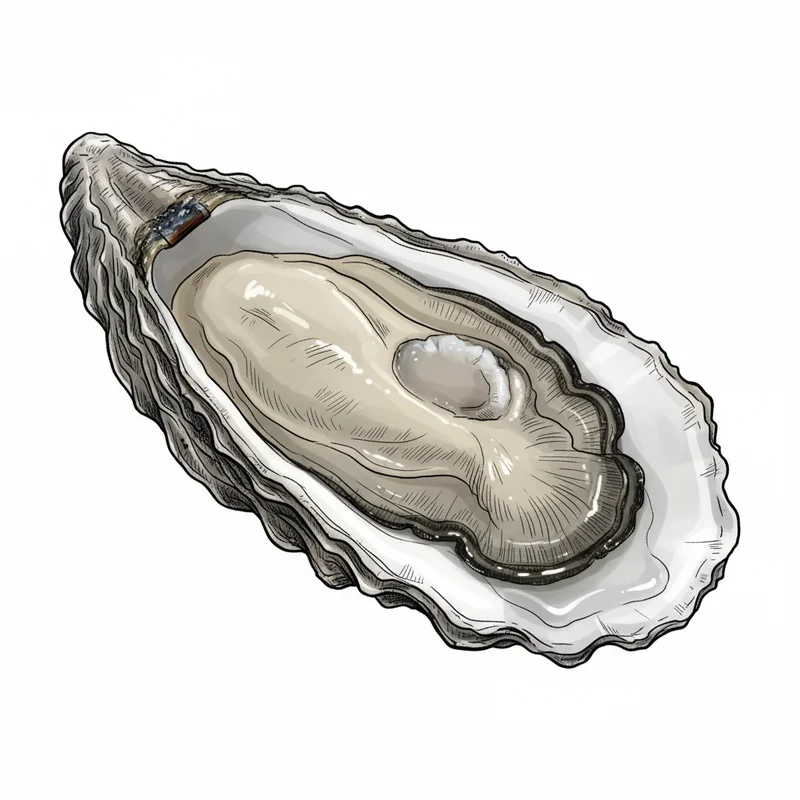
Wild-harvested Gulf Coast oyster from Pepper Grove Reef in East Galveston Bay, Texas. Large, intensely briny with distinctive sweet notes and complex umami flavors. High-salinity environment creates firm texture and signature crenelated shell.
At a Glance
Pepper Grove is an Eastern oyster (Crassostrea virginica) from the US Gulf Coast. It is intensely briny (5/5 brininess) and moderately sweet (3/5 sweetness), with briny, sweet, umami flavors and a finish that is strong umami sea taste, lingering vegetable notes.
Flavor Profile
Finish
Strong umami sea taste, lingering vegetable notes
Expert Notes
Pepper Grove oysters are wild-harvested from a high-salinity reef near the Gulf inlet in East Galveston Bay. The strong currents create distinctive crenelated shell frills and produce oysters that are mouth-wateringly salty, sweet, and chewy. These large, firm oysters deliver an intense brine hit with lingering flavors of asparagus and green bean, plus a strong umami sea taste on the back of the palate. They're twice as big and twice as firm as most East Coast oysters, making them exceptional for both raw consumption and cooking. Origin & Characteristics
- Species
- Crassostrea virginica
- Native to
- USA
- Grown in
- Pepper Grove Reef, East Galveston Bay, Texas
- Size
- Large (3-5 inches)
- Shell Color
- Gray-white with distinctive crenelated frills
- Meat Color
- Cream to light gray
What Experts Say
Across 7 sources, tasters describe this oyster as:
Unique notes: asparagus, green bean, mineral
"Mouth-wateringly salty, sweet and chewy, with lingering flavors of asparagus and green bean and a strong umami sea taste on the back of the palate. These were twice as big and twice as firm as most East Coasters. These snappy Galveston bivalves proved that Gulf oysters from the right spot can compete with any in the country."
saltysweetchewyasparagusgreen bean
"Briny, buttery, and slightly sweet, with a mild mineral finish."
brinybutterysweetmineral
"The distinctive shell is nearly as striking as the mildly sweet and briny flavor."
sweetbriny
"Samples of these select Galveston Bay reef oysters were also sent to experts around the country. The response was amazing, even from East Coast oyster partisans like Rowan Jacobsen."
"Galveston Bay swill, notes of hydrocarbon and ship channel run-off."
hydrocarbon
About the Farm
Jeri's Seafood
Tracy Woody's family-owned business harvests Pepper Grove oysters from historic reefs in Galveston Bay, maintaining a tradition of quality Gulf Coast oyster harvesting.
- Cultivation Method
- wild harvest
History & Background
The history of Pepper Grove oysters dates back to the 1800s, when they were popular in oyster bars particularly during the Civil War era. The Great Hurricane of 1900 wiped out both the fishing fleet and restaurants, but the industry eventually recovered. In 2010, Foodways Texas held a symposium in Galveston that revived interest in individual reef oysters, bringing historic appellations like Pepper Grove back into prominence.
Pepper Grove represents a rediscovery of Texas oyster heritage and terroir, part of a movement to recognize individual Gulf Coast reef appellations similar to wine regions. The reef is located in East Galveston Bay near Smith Point.
Did You Know?
- The crinkled shell bill is a sign of an oyster grown in a high-salinity environment
- Pepper Grove oysters were featured in one of the most exciting moments in food writer Robb Walsh's career when historic Texas oyster names came back to life
- In 2014, Pepper Grove was named to a 'Most Delicious List' alongside other select Gulf oysters
Sources & References
This information was compiled from 7 sources.
- Pepper Grove and Ladies Pass (Galveston Bay) — The Oyster Guide
- Pepper Grove Oysters — The Oyster Encyclopedia
- Pearls of the Oyster World — Houstonia Magazine
- Two Gulf Oysters Make Most Delicious List — Gulf Seafood News
- Taste of the sea: An oyster flavor guide — Feast and Field
- Pepper Grove — Oysterater
- An Oyster by Any Other Name — Southern Spaces
Similar Oysters
Ladies Pass
US Gulf CoastWild-harvested from Galveston Bay's Ladies Pass Reef. Large, firm oyster with high salinity, mouth-watering brine, sweet notes, and complex umami flavors with hints of asparagus and green bean.
Apalachicola
US Gulf CoastWild-harvested Gulf Coast oyster from Florida's legendary Apalachicola Bay. Small, intensely briny, and robust with a distinctive flavor that earned global recognition as the pinnacle of oyster quality.
Lavaca Bay
US Gulf CoastTexas Gulf Coast oyster with pronounced briny intensity and complex oceanic flavors. Rich and full-bodied with subtle sweetness, reflecting the high salinity of Lavaca Bay's coastal waters.
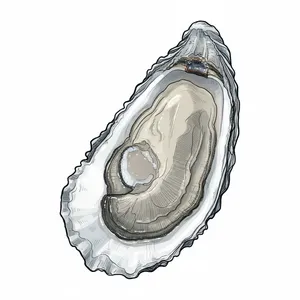
Capers Blades
US East CoastWild-harvested blade oysters from Capers Island, South Carolina. Hand-selected by Clammer Dave from natural reefs, delivering clean, sweet meat with intensely briny, tongue-curling salty liquor and a robust, metallic finish.
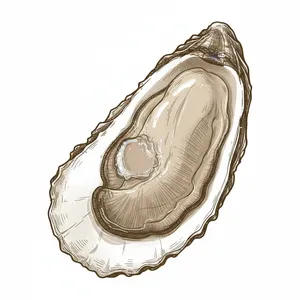
Chatham
US East CoastAn intensely briny Cape Cod oyster from Oyster Pond in Chatham, Massachusetts. Deep-cupped with firm meat and a powerful 'slap you in the face' salinity balanced by lingering sweetness and crystal-clear flavor.
Learn More
The Big Five: A Complete Guide to Commercial Oyster Species
Comprehensive guide to C. virginica (Atlantic), C. gigas (Pacific), C. sikamea (Kumamoto), O. lurida (Olympia), and O. edulis (European Flat)
Read article → Biology & SpeciesThe Atlantic Oyster (C. virginica): From Maritime Brine to Gulf Sweetness
Deep dive into America's indigenous East Coast oyster - flavor profiles, regional variations, and famous varieties
Read article → Merroir & EnvironmentWhat Is Merroir? How Water Shapes Oyster Flavor
Merroir is the marine version of terroir: how salinity, temperature, tides, and plankton in the growing water shape an oyster's flavor. The science, plus how to taste it.
Read article →