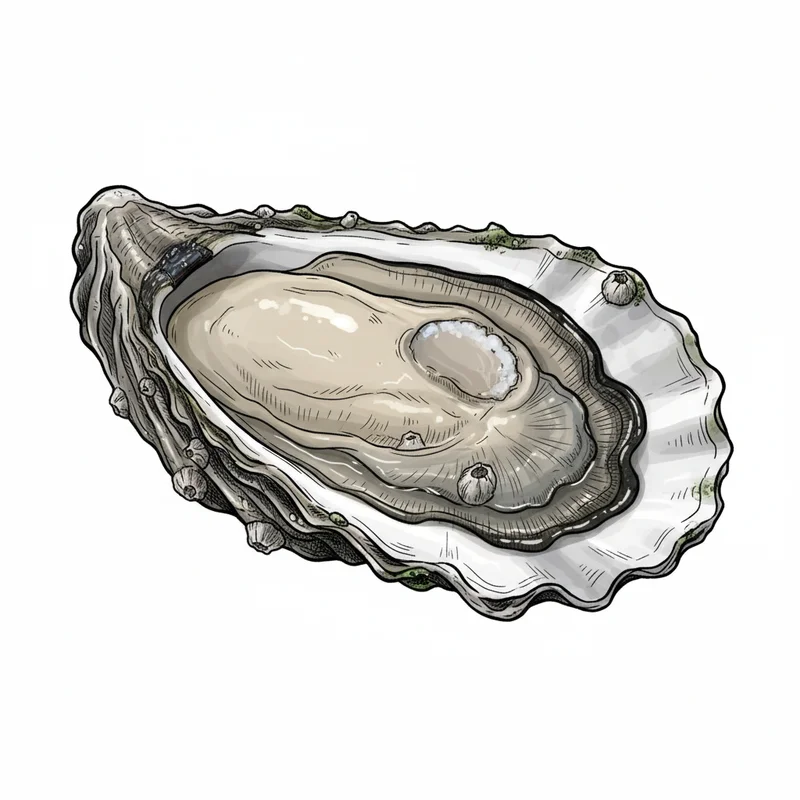
Beach Angel
Crassostrea gigas
Beach-grown Pacific oyster from Cortes Island, BC. Firm and sweet with robust briny flavor, featuring distinctive notes of cucumber, grass, and melon rind. Crisp and ocean-fresh.
At a Glance
Beach Angel is a Pacific oyster (Crassostrea gigas) from the Canada West Coast. It is notably briny (4/5 brininess) and moderately sweet (3/5 sweetness), with briny, sweet, cucumber flavors and a finish that is clean, crisp, ocean-fresh.
Flavor Profile
Finish
Clean, crisp, ocean-fresh
Expert Notes
Beach Angel oysters are cultivated in the intertidal zone of pristine Cortes Island in British Columbia's Discovery Islands archipelago. These beach-grown oysters develop gnarled, barnacle-crusted shells characteristic of their growing method and showcase a robust briny flavor that's notably saltier than typical West Coast oysters. The firm, sweet, and creamy meat delivers clean ocean flavors with distinctive notes of cucumber, grass, and melon rind, making them a standout choice for those who appreciate a crisp, fresh taste with substantial brininess. Origin & Characteristics
- Species
- Crassostrea gigas
- Native to
- Japan
- Grown in
- Cortes Island, Discovery Islands, British Columbia
- Size
- Medium (2-3 inches)
- Shell Color
- Gray-white with barnacles
- Meat Color
- Cream
What Experts Say
Across 5 sources, tasters describe this oyster as:
Unique notes: metallic, umami, robust finish
"Fresh cucumber taste, briny, and plump, characteristic of West Coast oysters and gives you a nice mouth full. This is one that's great for raw or cooked."
cucumberbrinyplump
"Beach Angel from Cortes Island – briny flavour, robust finish and cucumber taste."
brinycucumberrobust
"Clean ocean flavour, slightly to the brinier side for West coast oysters. Really enjoy this oyster, very crisp and fresh!"
cleanbrinycrispfresh
"The depth of flavor is what makes this dish work, it's an umami tsunami from the marmite, the cucumber-metallic finish of the oyster and the rich duxelle. Each oyster is the size of your hand and around 9 years old."
cucumbermetallicumamideep flavor
About the Farm
Outlandish Shellfish Guild
Producer located in Harriot Bay on Quadra Island raising West Coast shellfish on Cortes Island, part of BC's Discovery Island archipelago.
- Cultivation Method
- bottom culture
History & Background
Beach Angel oysters are grown in the intertidal zone of Cortes Island. Once set in their location, they can only feed as the tide comes in, which creates their characteristic rough, hard shells as a defense mechanism.
These oysters are known for being challenging to shuck due to their tough, gritty, and gnarly shells encrusted with barnacles, making it sometimes hard to locate the tip for shucking. Extra-large specimens can be as big as a hand and reach around 9 years old.
Did You Know?
- Their name hints at their life as beach oysters with a rough existence
- Large size Beach Angels are called 'Beach Islanders'
- Chef Derek Dammann considers them among the best West Coast shellfish and uses extra-large specimens (size of your hand, 9 years old) for cooking
- The rough beach life creates strong shells and rough exteriors covered in barnacles
Sources & References
This information was compiled from 5 sources.
- Beach Angel - Oysters and Pearls — Oysters and Pearls Blog
- Beach Angel Oyster — Oysterater
- Introduction to Oysters overview — Industrial Plankton
- Derek Dammann's Baked Oysters with Marmite — Andrew Zimmern
- BC - Oysters and Pearls — Oysters and Pearls Blog
Similar Oysters
Fanny Bay
Canada West CoastThe archetypal BC oyster. Smooth and balanced with sweet, buttery notes and a signature crisp cucumber finish.
Imperial Eagle Channel
Canada West CoastBeach-cultured Pacific oyster from Barkley Sound on Vancouver Island's wild west coast. Deep-cupped and plump with high brininess balanced by natural sweetness, finishing with distinctive cucumber and watermelon-rind notes.
Komo Gway
Canada West CoastBeach-grown Pacific oyster from Baynes Sound on Vancouver Island. Clean, briny flavor with firm texture, subtle cucumber notes, and a slightly sweet finish. Harvested from the traditional territory of the K'ómoks First Nation.
Effingham Inlet
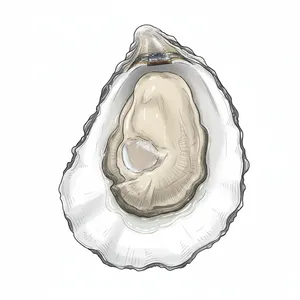
Canada West CoastPremium Pacific oyster from a pristine deep-water fjord in Barkley Sound, BC. Tray-suspended and tumbled for uniform deep cups. Plump, cream-colored meat with vibrant brine, natural sweetness, and a smooth watermelon-lettuce finish.
Gigamoto
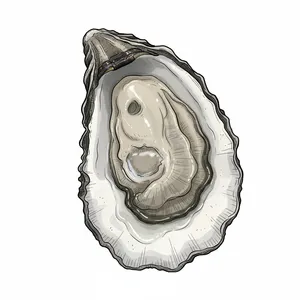
Canada West CoastA petite farm-raised Pacific oyster from Deep Bay, British Columbia. Small and delicate with balanced brine and sweetness, finishing with distinctive slightly smoky, vegetable-like notes.
Learn More
The Big Five: A Complete Guide to Commercial Oyster Species
Comprehensive guide to C. virginica (Atlantic), C. gigas (Pacific), C. sikamea (Kumamoto), O. lurida (Olympia), and O. edulis (European Flat)
Read article → Biology & SpeciesThe Pacific Oyster (C. gigas): Cream, Cucumber, and the Japanese Legacy
Understanding the world's most cultivated oyster - from Japanese origins to West Coast dominance
Read article → Merroir & EnvironmentWhat Is Merroir? How Water Shapes Oyster Flavor
Merroir is the marine version of terroir: how salinity, temperature, tides, and plankton in the growing water shape an oyster's flavor. The science, plus how to taste it.
Read article →