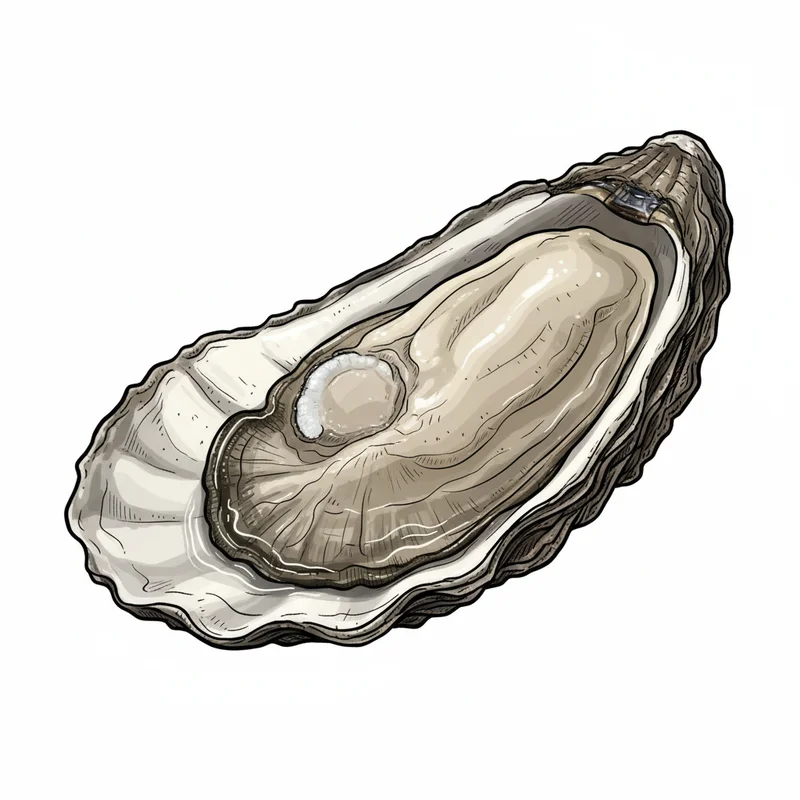
Rappahannock
Crassostrea virginica
A sweet, buttery oyster with understated saltiness. Low salinity allows Blue Ridge minerality to shine through with a clean, crisp finish.
At a Glance
Rappahannock is an Eastern oyster (Crassostrea virginica) from the US East Coast. It is mildly briny (2/5 brininess) and distinctly sweet (4/5 sweetness), with sweet, buttery, mineral flavors and a finish that is clean, crisp, refreshing. It is considered a beginner-friendly oyster.
Flavor Profile
Finish
Clean, crisp, refreshing
Expert Notes
The Rappahannock is one of the least salty oysters on the East Coast, thanks to its upriver location where Blue Ridge Mountain freshwaters meet the Chesapeake Bay. At just 13-17 ppt salinity, it showcases sweet, buttery, almost root-vegetable-like qualities that allow its mineral-rich complexity to shine. The low salinity makes it exceptionally wine-friendly, particularly with Chardonnay. Origin & Characteristics
- Species
- Crassostrea virginica
- Native to
- USA
- Grown in
- Topping, Virginia, Rappahannock River, Chesapeake Bay
- Size
- Medium-Large (3-4 inches)
- Shell Color
- Gray-brown
- Meat Color
- Cream-white
What Experts Say
Across 6 sources, tasters describe this oyster as:
Unique notes: Blue Ridge minerality, root-vegetable stock, full-bodied
"The Rapp is unique. It represents a once-preeminent style of oyster, and should be tasted for that reason alone. It is one of the least salty oysters on the East Coast, thanks to its upriver home. You will be hard-pressed to find a virginica with the Rapp's sweet and smooth flavor profile. Almost buttery, it is an oyster for people with 'no palate or a great palate,' as Ryan Croxton says. Picture the sweet and savory qualities of a homemade root-vegetable stock. The low salinity allows an intriguing Blue Ridge minerality to come through, and also makes it a better match for wine than many oysters, and not just the usual high-acid whites like Sauvignon Blanc and Muscadet. You won't find a better oyster for Chardonnay than a Rappahannock River."
sweetsmoothbutteryminerallow salinity
"Deep cupped and mineral rich, with an understated saltiness that lets the oyster's natural flavor come though, our Rappahannocks offer up a sweet, buttery, full-bodied taste with a refreshingly clean, crisp finish."
mineralsweetbutteryfull-bodiedclean
"Picked up 25 bag Rappahannock Oyster Company. I was really impressed with these: easy shucking, mild salinity, sweet, lite minerals and very clean. Barely used any cocktail."
mild salinitysweetmineralclean
"Eat these before eating more briny oysters, or else they'll taste pretty boring. However, these low-salinity oysters are a perfect vessel for cocktail sauce, and they have a mild, sweet flavor that is nice on its own."
low salinitymildsweet
"An oyster experience from where a gnat may drink and an elephant may bathe. The beginner is introduced to a low salinity and clear, c..."
low salinityclear
"Rappahannock River Oysters are one of the oyster appellations from the Chesapeake Bay region off the Maryland..."
About the Farm
Rappahannock Oyster Co.
Est. 1899The company was founded in 1899 by James Arthur Croxton, who leased 2 acres of Rappahannock River bottom. The modern company is now run by Travis and Ryan Croxton, continuing the family tradition of oyster farming in the Chesapeake Bay region.
- Cultivation Method
- off-bottom cages
History & Background
The Rappahannock represents a once-preeminent style of Chesapeake oyster that was famous for being plump and sweet. The Chesapeake Bay was once like the 'Napa Valley of oysters,' with oysters so abundant they presented a shipping hazard. The Rappahannock Oyster Company dates back to 1899 when James Arthur Croxton founded it by leasing river bottom.
The name 'Rappahannock' comes from the Algonquin language and translates to 'place where the water comes back,' like a river with tidal influence. By the late 1800s, Virginia was supplying nearly half of the world's demand for oysters, upwards of 20 million bushels each year.
Did You Know?
- Rappahannock oysters have one of the lowest salinities on the East Coast (13-17 ppt), making them exceptionally sweet
- The farm is located near Topping, Virginia, where the Rappahannock River meets the Chesapeake Bay
- 61% of the Rappahannock River watershed is still forested, keeping the waterway remarkably pristine
- These oysters are considered an ideal pairing for Chardonnay wine due to their low salinity and buttery character
Sources & References
This information was compiled from 6 sources.
- Rappahannock River - The Oyster Guide — oysterguide.com
- Rappahannock River Oysters — rroysters.com
- Rappahannock River - Oysterater — oysterater.com
- The Virginia Oyster: 400 Years of History — virginia.org
- Olde Salt Oysters - The Oyster Encyclopedia — oysterencyclopedia.com
- Rappahannock River Oysters — chefs-resources.com
Similar Oysters
Rappahannock River
US East CoastA sweet, buttery oyster with low salinity and Blue Ridge minerality. Perfect for beginners and an exceptional match for Chardonnay.
Hollywood
US East CoastUpper Chesapeake Bay oyster from Maryland's Patuxent River. Sweet and creamy with distinctive mineral and mossy notes from fossil-lined creeks. Complex flavor with a crisp, flinty finish.
Widow's Hole
US East CoastFamily-farmed in Greenport Harbor's Peconic Bay using tidal basket cultivation. Tender meats with balanced medium brininess, sweet flavor, and a distinctive mineral-rich finish that has made them a New York City favorite.
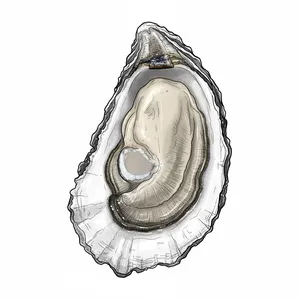
Cedar Island Select
US East CoastA flagship North Carolina oyster from Cedar Island Bay's pristine waters. Large and deep-cupped with balanced brininess and a distinctive sweet, buttery finish. Sustainably farmed in floating cages.
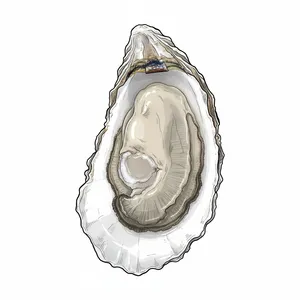
Chadwick Creek
US East CoastDelicate and buttery North Carolina oyster from Pamlico Sound. Deep-cupped with bright white shells, featuring a sweet finish and balanced brininess. Cultivated in off-bottom cages.
Learn More
The Big Five: A Complete Guide to Commercial Oyster Species
Comprehensive guide to C. virginica (Atlantic), C. gigas (Pacific), C. sikamea (Kumamoto), O. lurida (Olympia), and O. edulis (European Flat)
Read article → Biology & SpeciesThe Atlantic Oyster (C. virginica): From Maritime Brine to Gulf Sweetness
Deep dive into America's indigenous East Coast oyster - flavor profiles, regional variations, and famous varieties
Read article → Merroir & EnvironmentWhat Is Merroir? How Water Shapes Oyster Flavor
Merroir is the marine version of terroir: how salinity, temperature, tides, and plankton in the growing water shape an oyster's flavor. The science, plus how to taste it.
Read article →