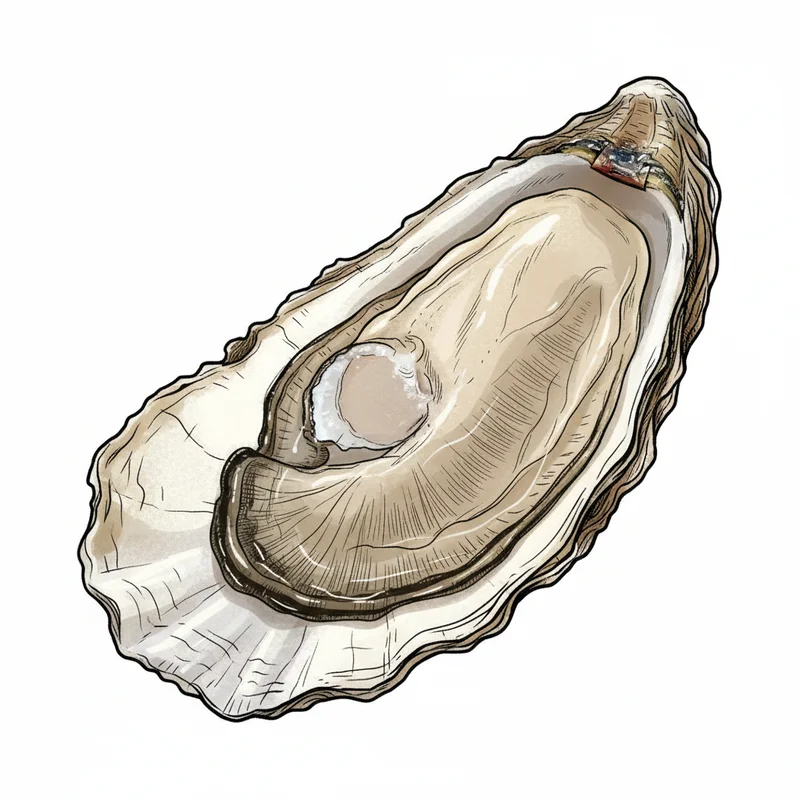
Ruisseau
Crassostrea virginica
Tray-grown Eastern oyster from Eel Lake, Nova Scotia. Sweet and rich with mild salinity, ivory flesh, and a clean finish. Highly prized in Canada's Maritimes and Quebec, rarely found outside the region.
At a Glance
Ruisseau is an Eastern oyster (Crassostrea virginica) from the Canada East Coast. It is mildly briny (2/5 brininess) and distinctly sweet (4/5 sweetness), with sweet, briny flavors and a finish that is clean, lingering, sweet and rich. It is considered a beginner-friendly oyster.
Flavor Profile
Finish
Clean, lingering, sweet and rich
Expert Notes
Tray-grown for nearly 20 years in the clear, brackish waters of Eel Lake where freshwater mingles with the sea, Ruisseau oysters develop a distinctive sweet and rich flavor profile. These highly prized oysters feature nice ivory flesh with a firm, crisp texture and a clean finish enhanced by a hint of umami. The cold Nova Scotia waters and unique brackish environment create an intensely sweet flavor with mild salinity, making them closer in character to Gulf of Maine oysters than other Nova Scotia varieties. Origin & Characteristics
- Species
- Crassostrea virginica
- Native to
- Canada
- Grown in
- Eel Lake, St. Anne de Ruisseau, Nova Scotia
- Size
- Medium (3-3.5 inches)
- Shell Color
- Beige and white
- Meat Color
- Ivory
What Experts Say
Across 6 sources, tasters describe this oyster as:
Unique notes: bright, sparkles, crisp finish, intense
"The nectar around the glistening oyster is bright, light, clean and sparkles with that magic created via the meeting and mingling of the Eel Lake waters. The ample meaty morsel is intense in flavour and creamy in texture with a crisp finish and just the right amount of chew. I will go out on a limb here, and describe the flavour of the Ruisseau oyster I tasted at Eel Lake as buttery and on the sweeter side. Certainly, not a briny oyster."
brightlightcleanintensecreamy
"Macintosh Oysters: These can be found in Merigomish. They are at peak quality now. Peck says, 'They have a thickness to the meat and a very salty finish.' Ruisseau Oysters: These can be found at Eel Lake."
thick meat
"This is surprising for an East coast oyster, as they are usually smaller than their West coast counterparts, more mild and brinier. The West coast varieties, from which I am much more accustomed, are larger, very 'oysterie' in flavour (intense) and have a velvet-creamy texture when eaten raw."
mildnot brinyintensecreamy
"They are sweet tasting with a mild salinity and very clean finish."
sweetmild salinityclean finish
About the Farm
Eel Lake Oyster Farm
Founded by the d'Eon family (Kim, Colton, and Nolan d'Eon) who have farmed oysters in Eel Lake for 18 years. Nolan was first a lobster fisherman before transitioning to oyster farming.
- Cultivation Method
- rack and bag
- Certifications
- Taste of Nova Scotia Prestige Award 2012
History & Background
Eel Lake has a long and noble history of growing oysters. The M'ikmaq people of this area four hundred years ago sought out Eel Lake as a summer fishing ground and harvested oysters from it.
In 2012, Eel Lake Oyster Farm was awarded A Taste of Nova Scotia Prestige Award: 2012 Consumer Choice Product of the Year. The oysters are highly sought after in the Maritime and Quebec regions but rarely found outside the area.
Did You Know?
- Named after the town of Ste. Anne du Ruisseau where the farm is located
- The lake has 22% salinity compared to 31% for ocean water, contributing to unique flavor
- Award-winning oyster farm recognized by Nova Scotia government in 2012
Sources & References
This information was compiled from 6 sources.
- A Fieldtrip to Eel Lake Oyster Farm — A Canadian Foodie
- Nova Scotia's post about Eel Lake Oyster Farm — Facebook
- Malagash Oysters: A Taste of the Northumberland Shore — Fox Harb'r Resort
- Live Oysters Description Guide — Fortune Fish & Gourmet
- Maritime Oysters — Oysterater
- L'Étang Ruisseau Bar — Oyster Tribe
Similar Oysters
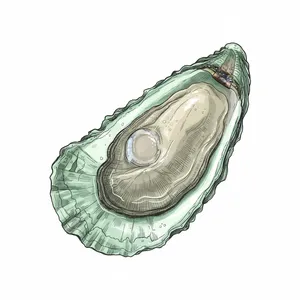
Colville Bay
Canada East CoastCanada's most sought-after oyster. Stunning jade shells, crunchy texture, and bright nutty-sweet flavors with a floral lemon zest finish.
Conway Cup
Canada East CoastA deeply cupped Prince Edward Island oyster from Cascumpec Bay. Sweet and delicate with mild brininess and a clean finish. Bottom-grown on sandy substrate for firm, full meats.
Daisy Bay
Canada East CoastA well-balanced Prince Edward Island oyster grown wild in red bay mud. Leads with bright salinity and finishes with mild cucumber smoothness and sweet notes. Cultivated for 4-6 years in pristine northern waters.
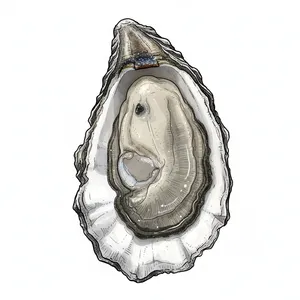
La Saint Simon
Canada East CoastSmall, delicate oyster from New Brunswick's Acadian Peninsula. Suspension-cultured with a firm texture, medium brininess, and a distinctive sweet-citrus finish that showcases the Maritime's refined oyster style.
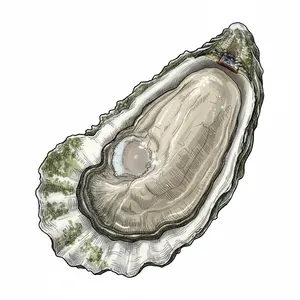
Northumberland
Canada East CoastClean, mild oyster from the Northumberland Strait between PEI and New Brunswick. Mildly sweet with balanced brine and a cool finish. Known for their larger size and light, firm texture shaped by nutrient-rich Atlantic waters.
Learn More
The Big Five: A Complete Guide to Commercial Oyster Species
Comprehensive guide to C. virginica (Atlantic), C. gigas (Pacific), C. sikamea (Kumamoto), O. lurida (Olympia), and O. edulis (European Flat)
Read article → Biology & SpeciesThe Atlantic Oyster (C. virginica): From Maritime Brine to Gulf Sweetness
Deep dive into America's indigenous East Coast oyster - flavor profiles, regional variations, and famous varieties
Read article → Merroir & EnvironmentWhat Is Merroir? How Water Shapes Oyster Flavor
Merroir is the marine version of terroir: how salinity, temperature, tides, and plankton in the growing water shape an oyster's flavor. The science, plus how to taste it.
Read article →