
Salish Sea
Crassostrea gigas
Cold-water Pacific oyster from the inland waters of Washington and British Columbia. Tray-raised with distinctively briny, metallic flavor balanced by subtle sweetness and clean mineral finish.
At a Glance
Salish Sea is a Pacific oyster (Crassostrea gigas) from the US West Coast. It is notably briny (4/5 brininess) and moderately sweet (3/5 sweetness), with briny, metallic flavors and a finish that is clean, briny, with lingering mineral notes.
Flavor Profile
Finish
Clean, briny, with lingering mineral notes
Expert Notes
Salish Sea oysters are cold-water Pacific oysters that reflect the unique terroir of the vast inland waterways between the Olympic Peninsula and Vancouver Island. Tray-raised and beach-cultured, these oysters deliver a distinctively briny, metallic flavor profile balanced with subtle sweetness and buttery notes. The mineral-rich waters of Baynes Sound and Puget Sound create oysters with clean, intense oceanic character that showcases the pristine environment of the Pacific Northwest. Origin & Characteristics
- Species
- Crassostrea gigas
- Native to
- Japan
- Grown in
- Baynes Sound, British Columbia, Puget Sound, Washington, Strait of Georgia
- Size
- Medium (2-4 inches)
- Shell Color
- White to gray
- Meat Color
- Cream to light gray
What Experts Say
Across 6 sources, tasters describe this oyster as:
Unique notes: ripe Bosc pear, cucumber, clean finish
"Tray-raised, beach-cultured by the Pentlatch Tribe of British Columbia. Salish Sea is the old name for the vast body of inland waterways shielded by the Olympic Peninsula and Vancouver Island, including the Strait of Georgia and Puget Sound."
"Just like with wine, the subtle taste profile of an oyster can vary by location. The salinity, temperature, and food sources create each oyster's unique flavor, whether it be briny, sweet, creamy, mineral, vegetal, or sharp."
brinysweetcreamymineralvegetal
"A briny flavor to start with notes of a ripe Bosc Pear with a sweet full meat. A premium tumbled oyster with great flavor, a consistent favorite on the half shell."
brinysweetpear
"Mild brininess with vegetal notes; crisp cucumber finish."
brinyvegetalcucumbercrisp
About the Farm
Pentlatch Tribe
Beach-cultured by the Pentlatch Tribe of British Columbia in Baynes Sound, using traditional tray-raised methods.
- Cultivation Method
- rack and bag
History & Background
The Salish Sea is the name for the vast body of inland waterways shielded by the Olympic Peninsula and Vancouver Island, including the Strait of Georgia and Puget Sound. Indigenous peoples of the Salish Sea, including the Pentlatch, Nisqually, and Squaxin tribes, have been stewards of these estuarine ecosystems for millennia, with oysters serving as an important food source for centuries.
The Squaxin Island Tribe, known as the People of the Water, has nurtured and harvested the gifts of the Salish Sea for generations. Their practices are deeply intertwined with cultural heritage, reflecting a profound respect for the environment and its resources.
Did You Know?
- Named after the Salish Sea, the old name for the vast inland waterways of the Pacific Northwest
- Cultivated in the pristine waters where strong tides and nutrient-rich habitats provide perfect growing conditions
Sources & References
This information was compiled from 6 sources.
- Salish Sea Oyster — Oysterater
- Salish Sea Oyster Road Trip — Washington State Tourism
- Salish Sea - Penn Cove Shellfish — Penn Cove Shellfish
- Salish Seafoods - A Squaxin Island Enterprise — Salish Seafoods
- A Tide to Table Voyage — Tideland Magazine
- Oyster History: The Olympia — Fanny Bay Oysters
Similar Oysters
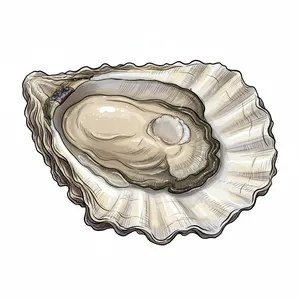
Grassy Bar
US West CoastHand-cultivated Pacific oyster from Morro Bay's high-energy estuary. Deeply briny with crisp sweetness and distinctive cucumber and wet-stone minerality. Entirely grown in Southern-Central California from seed to harvest.
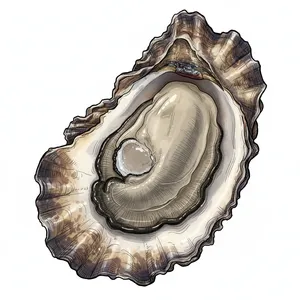
Netarts Bay
US West CoastBeach-cultured Pacific oyster from pristine Netarts Bay in Northern Oregon. Strong, tongue-coating flavor with metallic notes, sweet cucumber finish, and distinctive black mantle line. Colorful shells and soft texture.
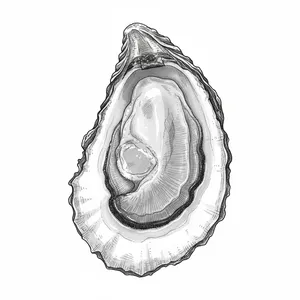
Windy Bay
US West CoastAlaskan oyster with pronounced briny and metallic character. Medium-bodied with robust minerality and a clean, ocean-forward finish that reflects the cold waters of the Alaskan coast.
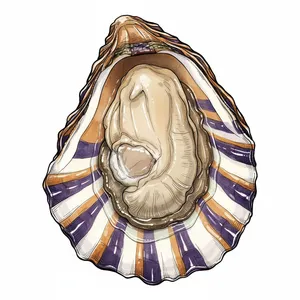
Carlsbad Blonde
US West CoastSouthern California's signature oyster from Carlsbad's Agua Hedionda Lagoon. Grown in suspended culture with distinctive glassy, striped shells. Strongly briny with refreshing melon and cucumber notes, balanced between briny and sweet.
Dabob Bay
US West CoastIntertidal beach-grown Pacific oyster from the pristine waters of Hood Canal's Dabob Bay. Light and crisp with pronounced brininess from slow growth in cold, nutrient-limited waters. Firm meat with a clean, sweet finish.
Learn More
The Big Five: A Complete Guide to Commercial Oyster Species
Comprehensive guide to C. virginica (Atlantic), C. gigas (Pacific), C. sikamea (Kumamoto), O. lurida (Olympia), and O. edulis (European Flat)
Read article → Biology & SpeciesThe Pacific Oyster (C. gigas): Cream, Cucumber, and the Japanese Legacy
Understanding the world's most cultivated oyster - from Japanese origins to West Coast dominance
Read article → Merroir & EnvironmentWhat Is Merroir? How Water Shapes Oyster Flavor
Merroir is the marine version of terroir: how salinity, temperature, tides, and plankton in the growing water shape an oyster's flavor. The science, plus how to taste it.
Read article →