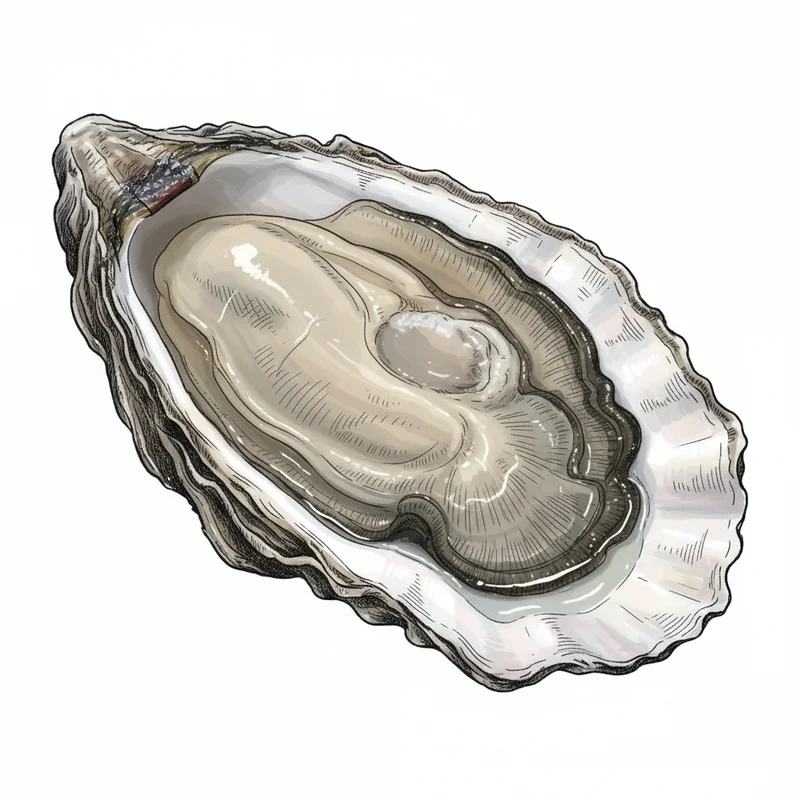
Sister Point
Crassostrea gigas
Bag-started, beach-finished oyster from southern Hood Canal's Great Bend. Thick-shelled with intensely salty, briny flavor and a distinctive cucumber-seaweed finish characteristic of South Sound oysters.
At a Glance
Sister Point is a Pacific oyster (Crassostrea gigas) from the US West Coast. It is notably briny (4/5 brininess) and subtly sweet (2/5 sweetness), with salty, briny flavors and a finish that is clean with cucumber notes.
Flavor Profile
Finish
Clean with cucumber notes
Expert Notes
Sister Point oysters hail from the southern end of Hood Canal at the Great Bend, where slower water circulation creates concentrated flavors. Bag-started and beach-finished, these thick-shelled oysters deliver the characteristic South Sound profile—intensely salty with a firm, meaty texture. The finish carries distinctive cucumber and seaweed notes that reflect their unique terroir in this quieter section of the canal. Origin & Characteristics
- Species
- Crassostrea gigas
- Native to
- Japan
- Grown in
- Southern Hood Canal, Washington, Great Bend, Hood Canal
- Size
- Medium (2-4 inches)
- Shell Color
- White to gray-white
- Meat Color
- Light gray to cream
What Experts Say
Across 7 sources, tasters describe this oyster as:
Unique notes: lettuce-like, thick-shelled, meaty
"An oyster from southern Hood Canal, right at the 'Great Bend,' an area I generally avoid because the water sloshing around in that end of the canal takes years to flush out. Bag-started, beach-finished, and thick-shelled in the standard Hood Canal fashion, Sister Points taste mostly of salt with a bit of cucumber at the finish."
saltybrinycucumber
"Beach grown in hood canal, Washington. They are thick-shelled oyster raised in a small family-run operation. The deep cup produces a delightful briny flavor."
brinythick-shelled
"Sister Point oysters are from the lower end of Hood Canal, Washington, known for their firm, meaty texture and briny flavor. They are grown in mesh bags staked on the beach."
brinyfirmmeaty
"Firm with lettuce-like flavor, clean aftertaste."
firmlettuceclean
"Sister Point from Hood Canal, Washington. Enjoyed at the Mermaid Oyster Bar."
About the Farm
Raised in a small family-run operation in southern Hood Canal at the Great Bend.
- Cultivation Method
- bag to beach
History & Background
Sister Point oysters are cultivated at the Great Bend in southern Hood Canal, an area where water circulation is notably slow, taking years to flush out.
Part of the Hood Canal oyster tradition, representing the standard thick-shelled, beach-finished Pacific oyster style characteristic of this region.
Did You Know?
- Located at the 'Great Bend' of Hood Canal where water takes years to flush out
- One of the southern Hood Canal oyster appellations in Washington State's Puget Sound
Sources & References
This information was compiled from 7 sources.
- Sister Point - The Oyster Guide — The Oyster Guide
- Sister Point Oysters - Chefs Resources — Chefs Resources
- LIVE OYSTERS - Fortune Fish & Gourmet — Fortune Fish & Gourmet
- OYSTER VARIETIES - The Seafood Merchants — The Seafood Merchants
- The Oyster Bar on Chuckanut Drive - Oysters Menu — The Oyster Bar
- Oyster Tasting Log - Peek & Eat — Peek & Eat
- Hood Canal Oysters - Oysterater — Oysterater
Similar Oysters
Penn Cove Select
US West CoastThe definitive Pacific Northwest oyster with stunning black and purple shells. Beach-raised in Samish Bay and finished in Penn Cove, these award-winning oysters deliver firm meats, bright brininess, and a distinctive crisp cucumber finish.
Spring Creek
US West CoastA briny Pacific Northwest oyster prized for its firm texture and intense umami flavor. Best in early spring when amino acids create peak savory intensity with a clean, assertive finish.
Carlsbad Blonde
US West CoastSouthern California's signature oyster from Carlsbad's Agua Hedionda Lagoon. Grown in suspended culture with distinctive glassy, striped shells. Strongly briny with refreshing melon and cucumber notes, balanced between briny and sweet.
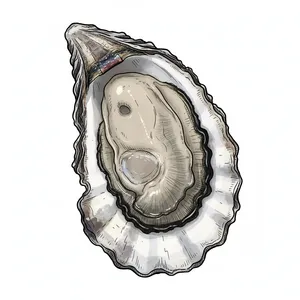
Dabob Bay
US West CoastIntertidal beach-grown Pacific oyster from the pristine waters of Hood Canal's Dabob Bay. Light and crisp with pronounced brininess from slow growth in cold, nutrient-limited waters. Firm meat with a clean, sweet finish.
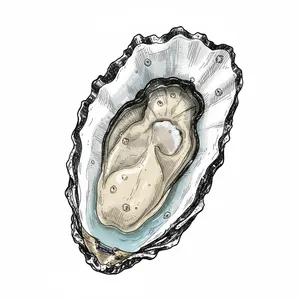
Elkhorn
US West CoastBeach-grown Pacific oyster from Washington's Willapa Bay. Firm and meaty with intense, robust flavor featuring high brininess, natural sweetness, and a distinctive mineral-melon finish.
Learn More
The Big Five: A Complete Guide to Commercial Oyster Species
Comprehensive guide to C. virginica (Atlantic), C. gigas (Pacific), C. sikamea (Kumamoto), O. lurida (Olympia), and O. edulis (European Flat)
Read article → Biology & SpeciesThe Pacific Oyster (C. gigas): Cream, Cucumber, and the Japanese Legacy
Understanding the world's most cultivated oyster - from Japanese origins to West Coast dominance
Read article → Merroir & EnvironmentWhat Is Merroir? How Water Shapes Oyster Flavor
Merroir is the marine version of terroir: how salinity, temperature, tides, and plankton in the growing water shape an oyster's flavor. The science, plus how to taste it.
Read article →