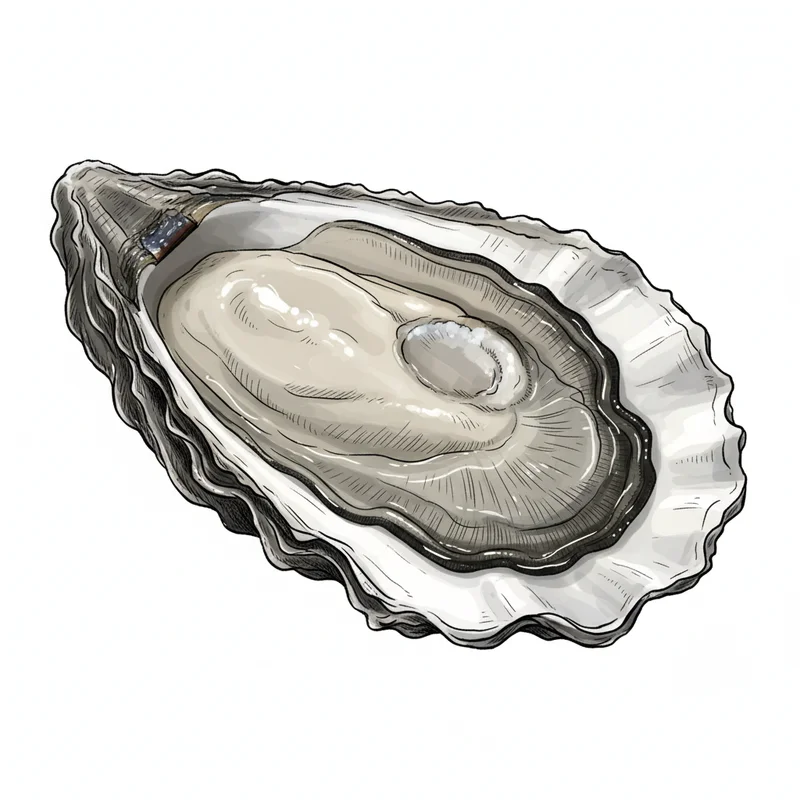
Spring Creek
Crassostrea gigas
A briny Pacific Northwest oyster prized for its firm texture and intense umami flavor. Best in early spring when amino acids create peak savory intensity with a clean, assertive finish.
At a Glance
Spring Creek is a Pacific oyster (Crassostrea gigas) from the US West Coast. It is notably briny (4/5 brininess) and subtly sweet (2/5 sweetness), with briny, umami flavors and a finish that is clean, briny, memorable.
Flavor Profile
Finish
Clean, briny, memorable
Expert Notes
Spring Creek oysters are distinguished by their robust briny character and firm texture, making them a standout among Pacific Northwest varieties. Best enjoyed in early spring when they reach peak umami intensity from amino acid development, these oysters deliver a bright, concentrated flavor profile. The high salinity of their growing waters produces exceptionally briny oysters with a clean, assertive finish that appeals to experienced oyster enthusiasts. Origin & Characteristics
- Species
- Crassostrea gigas
- Native to
- Japan
- Grown in
- Pacific Northwest
- Size
- Medium (2.5-4 inches)
- Shell Color
- Gray-white
- Meat Color
- Cream to gray
What Experts Say
Across 5 sources, tasters describe this oyster as:
Unique notes: ballerinas, earthy depth, vegetal notes
"They have a beautifully delicate and mild flavor. It's a big lease, so the oysters are planted at a very low density. They also get all of the best nutrients the surrounding creeks have to offer, so they have thick shells and great meat texture. If the Moon Shoals, which are grown nearby but further out into the bay, are rock stars (with knock your socks off fruit, salt, and cream) the Spring Creeks are ballerinas — beautiful, complex, and sweet."
delicatemildsweetcomplex
"Another quality oyster out of Barnstable Harbor, which has that ideal combination of strong tides of briny Atlantic water and a pristine salt marsh backing the bay. The tides rush in, the oysters feed, and then the water sits in the salt marsh for hours, growing algae and picking up flavors from the marsh. Then the tide recedes and all that earthy water rushes back out, giving the oysters the second half of their diet. That combination results in oysters that are savory and salty but also backed by an earthy depth."
savorysaltyearthybriny
"Savory and salty but also sweet with hints of minerality and vegetal notes on the finish"
savorysaltysweetmineralvegetal
"Clean shells. 3-3.5 Select size. Deep teardrop shape. These grants are able to grow their oysters in cages with no lids! Big tides and fresh water food source gives these oysters their sweet mineral taste."
sweetmineralclean
About the Farm
Paul Hamlin Oyster Farm
Est. 2010Coming from a family of farmers and shellfisherman, Paul has been on the water working with oysters and clams his entire life. Paul graduated from Massachusetts Maritime Academy in 2010 and started his farm in Barnstable soon thereafter, following in the footsteps of his parents.
- Cultivation Method
- rack and bag
History & Background
Spring Creek oysters are grown in Barnstable Harbor on Cape Cod, Massachusetts, an area with a long tradition of shellfish cultivation. The harbor's unique geography and tidal patterns have made it an ideal location for oyster farming.
Barnstable Harbor oysters are highly regarded in New England raw bars and are compared favorably to other Cape Cod varieties like Wellfleet oysters.
Did You Know?
- Barnstable Harbor has drastic 14-foot tides that contribute significantly to the oyster's flavor profile
- The oysters are described as 'ballerinas' compared to the nearby Moon Shoals which are 'rock stars', reflecting their delicate and refined character
- The farm plants oysters at very low density on a large lease, allowing them to get optimal nutrients from surrounding creeks
Sources & References
This information was compiled from 5 sources.
- Spring Creek Oysters from Barnstable, MA — Island Creek Oysters
- Spring Creek Oyster — Oysterater
- East Coast Oysters - 2024 — Catanese Classics
- Oyster Descriptions — Big Rock Oyster
- Oysters Spring Eternal — Salvation South
Similar Oysters
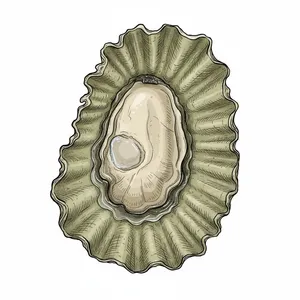
Glacier Point
US West CoastAlaskan oyster from Kachemak Bay's glacier-fed waters. Intensely briny and umami-rich with distinctive salinity and thick shell. Less cucumbery than typical Pacifics, with a unique 'touch of king salmon' flavor.
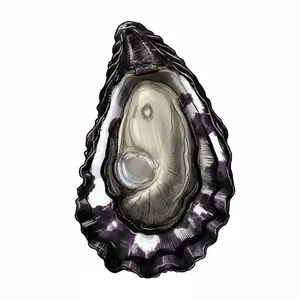
Penn Cove Select
US West CoastThe definitive Pacific Northwest oyster with stunning black and purple shells. Beach-raised in Samish Bay and finished in Penn Cove, these award-winning oysters deliver firm meats, bright brininess, and a distinctive crisp cucumber finish.
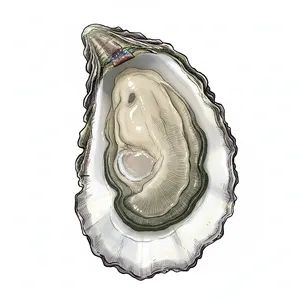
Penn Cove
US West CoastThe definitive Pacific oyster. Firm, briny meats with bright cucumber and umami notes, finished clean and steely.
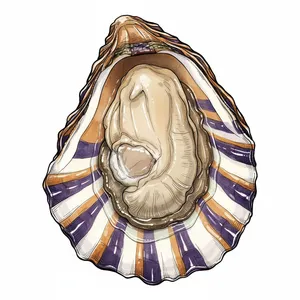
Carlsbad Blonde
US West CoastSouthern California's signature oyster from Carlsbad's Agua Hedionda Lagoon. Grown in suspended culture with distinctive glassy, striped shells. Strongly briny with refreshing melon and cucumber notes, balanced between briny and sweet.
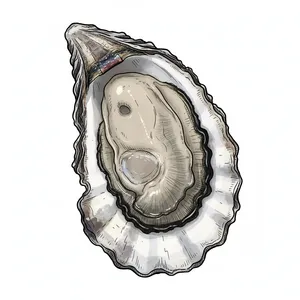
Dabob Bay
US West CoastIntertidal beach-grown Pacific oyster from the pristine waters of Hood Canal's Dabob Bay. Light and crisp with pronounced brininess from slow growth in cold, nutrient-limited waters. Firm meat with a clean, sweet finish.
Learn More
The Big Five: A Complete Guide to Commercial Oyster Species
Comprehensive guide to C. virginica (Atlantic), C. gigas (Pacific), C. sikamea (Kumamoto), O. lurida (Olympia), and O. edulis (European Flat)
Read article → Biology & SpeciesThe Pacific Oyster (C. gigas): Cream, Cucumber, and the Japanese Legacy
Understanding the world's most cultivated oyster - from Japanese origins to West Coast dominance
Read article → Merroir & EnvironmentWhat Is Merroir? How Water Shapes Oyster Flavor
Merroir is the marine version of terroir: how salinity, temperature, tides, and plankton in the growing water shape an oyster's flavor. The science, plus how to taste it.
Read article →