Mild brine Oysters
38 oysters with this flavor profile
Mild brine oysters
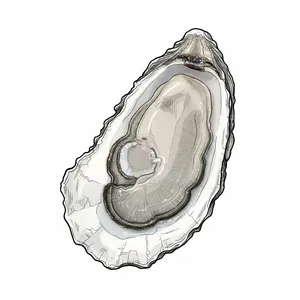
38 Degrees North
US East CoastA balanced Chesapeake Bay oyster. Mild, slightly sweet with refined brine and a clean finish. Firm and meaty from floating cage cultivation.
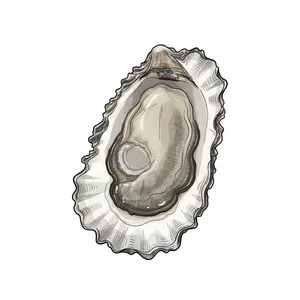
Bald Point
US West CoastSmall, beach-cultured Pacific oyster from Hood Canal, Washington. Low brininess with a sweet, delicate flavor and distinctive musky finish. Hardy shells from intertidal cultivation.
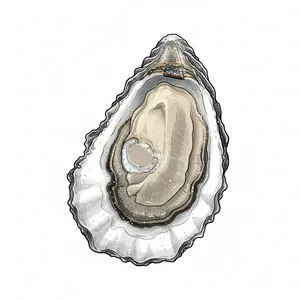
Barron Point
US West CoastHand-sized Pacific oyster from Little Skookum Inlet in southern Puget Sound. Sweet and mildly salty with plump, tender meat and a distinctive musky finish. A well-balanced West Coast favorite.
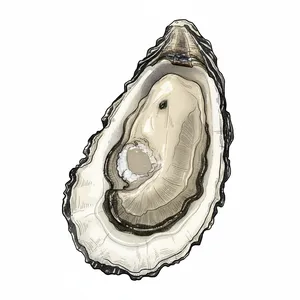
Beausoleil
Canada East CoastThe perfect starter oyster from New Brunswick's Miramichi Bay. Small, refined, and elegantly mild with yeasty notes, subtle hazelnut sweetness, and a creamy texture. Farmed in floating trays that ensure pristine, uniform shells.
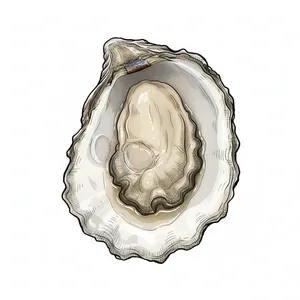
Bodega Bay Kumamoto
US West CoastA petite, deep-cupped Kumamoto oyster from California's Bodega Bay. Delicately sweet with fruity, honeydew melon notes and mild brininess. Perfect for beginners and connoisseurs alike.
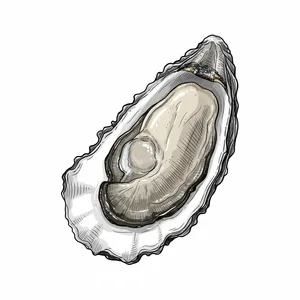
Caraquet
Canada East CoastA delicate wild-harvested oyster from New Brunswick's legendary Caraquet Bay. Small and slow-grown over four years, with subtle brine, mineral notes, and a refined clean finish that makes it the perfect accessible oyster.
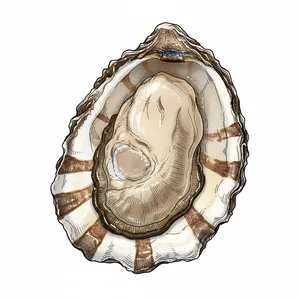
Chelsea Gem
US West CoastThe original tide-tumbled oyster from Eld Inlet's pristine waters. Deep-cupped with plump meats, mild brininess, silky creamy texture, and a signature sweet cucumber finish. A true Pacific Northwest gem.
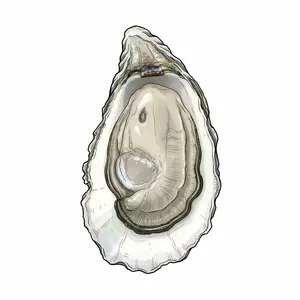
Conway Cup
Canada East CoastA deeply cupped Prince Edward Island oyster from Cascumpec Bay. Sweet and delicate with mild brininess and a clean finish. Bottom-grown on sandy substrate for firm, full meats.
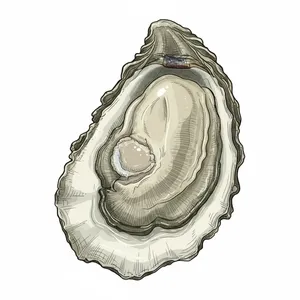
Deep Bay
Canada West CoastA sweet, plump Pacific oyster from Vancouver Island's Deep Bay. Cultivated using bag-to-beach methods for consistent deep cups. Features mild brininess with a distinctive light watermelon finish and ultra-clean taste.
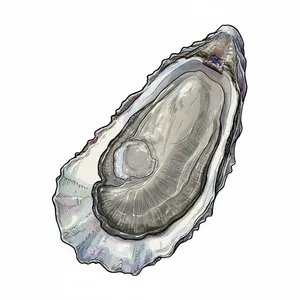
Dodge Cove
US East CoastA Maine institution from the Damariscotta River. One of Maine's first farmed oysters, featuring a distinctive sweet-and-sour citrus flavor with bright lemon notes, restrained brine, and rare dappled pastel shells.
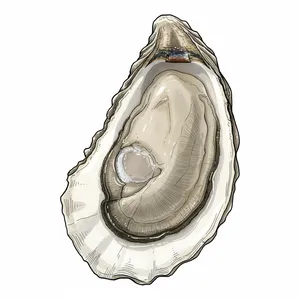
Dragon Creek
US East CoastA mild, sweet Chesapeake Bay oyster from Virginia's Nomini Creek. Large and plump with creamy shells, minimal brininess, and a clean watermelon finish. Perfect for beginners seeking classic Chesapeake character.
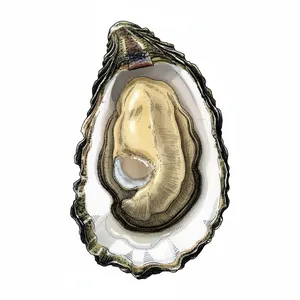
Eld Inlet
US West CoastA legendary Southern Puget Sound oyster known for exceptional sweetness and rich, buttery texture. Plump creamy-yellow meats with low salinity, watermelon rind notes, and the distinctive full-bodied South Sound character.
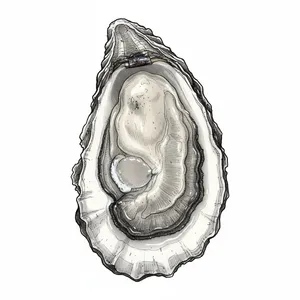
Galveston Bay
US Gulf CoastTexas-sized Gulf Coast oyster from Galveston Bay. Large, firm, and exceptionally meaty with mild brine and natural sweetness. Freshwater influence creates a fatty, creamy texture with subtle minerality and vegetable notes. Perfect for raw or chargrilled preparations.
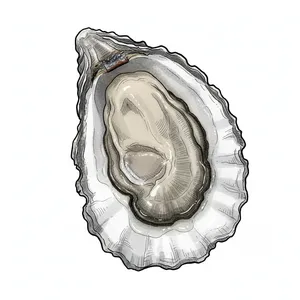
Hammersley Inlet
US West CoastBeach-grown Pacific oyster from South Puget Sound's Hammersley Inlet. Plump and sweet with mild saltiness, rich body, and a distinctive cucumber-melon finish. Grown in nutrient-dense waters for excellent meat-to-shell ratio.
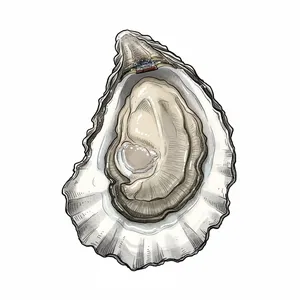
Hawk's Point
US West CoastA large Pacific oyster from pristine Willapa Bay, Washington. Rack and bag cultivated with mild brininess, delicate floral notes, and a crisp citrus finish. Substantial, meaty texture with a clean aftertaste.
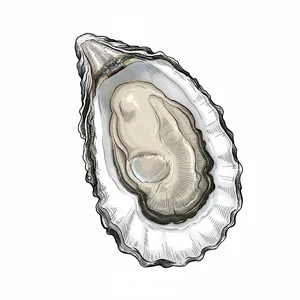
Henderson Inlet
US West CoastA community-farmed Puget Sound oyster from a restored watershed. Small and plump with sweet, buttery meat, light salinity, and a distinctive cucumber-earthy finish. All proceeds support water quality restoration.
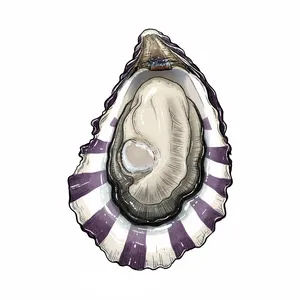
Kelly Gigas
IrelandPacific oyster farmed by the famed Kelly family in Galway Bay's mineral-rich waters. Exceptionally creamy with mild brine, grassy cucumber notes, and stunning purple-striped shells with pure white meat.
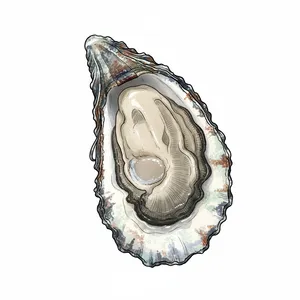
Little Skookum
US West CoastA sweet, musky Pacific oyster from Little Skookum Inlet in South Puget Sound. Deep-cupped with plump, buttery meat, mild brininess, and distinctive melon-scented sweetness with a clean vegetable finish.
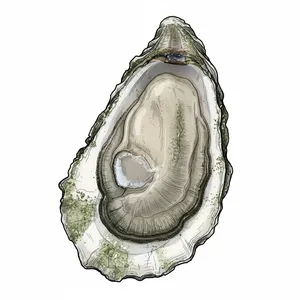
Mecox Bay
US East CoastWild-harvested Long Island oyster from the deep, cold waters of Mecox Bay. Delicate and balanced with mild brininess, pronounced sweetness, and a clean mineral finish reminiscent of classic Bluepoints.
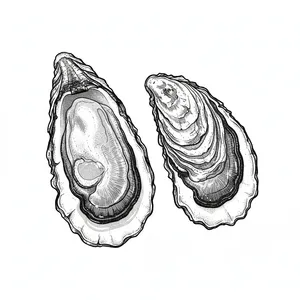
Murder Point
US Gulf CoastFamily-farmed Gulf Coast oyster from Bayou La Batre, Alabama, known as 'butter love' for its signature rich, buttery flavor. Balanced mild salinity with a sweet-mineral finish and plump, creamy texture from careful tide-tumbled cultivation.
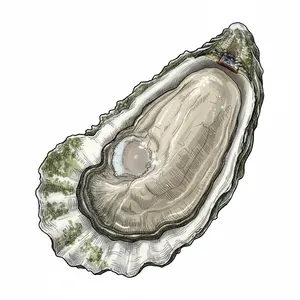
Northumberland
Canada East CoastClean, mild oyster from the Northumberland Strait between PEI and New Brunswick. Mildly sweet with balanced brine and a cool finish. Known for their larger size and light, firm texture shaped by nutrient-rich Atlantic waters.
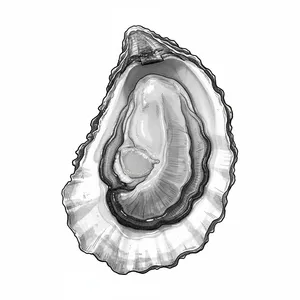
Okeover
Canada West CoastSweet, balanced Pacific oyster from Okeover Inlet in Desolation Sound, BC. Fresh crisp sweetness with light-salty brine and a clean finish. Grown in nutrient-rich waters with distinctive deep shells.
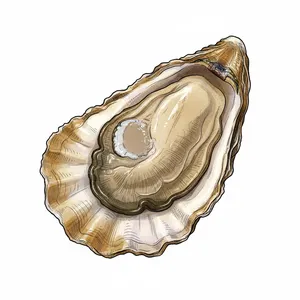
Pacific Gold
US West CoastSuspension-raised Pacific oyster from Discovery Bay, Washington and Morro Bay, California. Large, sweet, and mild with firm meats, lovely fluted shells, and a fresh, crisp finish.
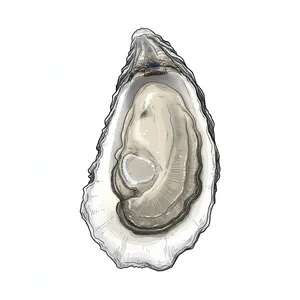
Paramour
US East CoastA mild, refined East Coast oyster cultivated in Narragansett Bay, Rhode Island, with origins from Virginia's Atlantic-facing Parramore Island. Despite full ocean exposure, it delivers a surprisingly gentle brine with firm meat and a clean, fruity finish.
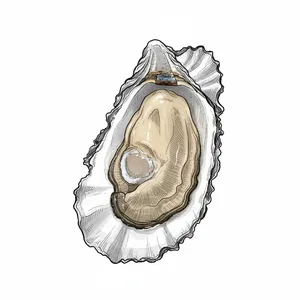
Pickering Passage
US West CoastA Pacific Northwest oyster from southern Puget Sound's nutrient-rich waters. Medium to large with tender, plump meats. Mild brine balanced with sweet richness and a crisp finish of melon and cucumber.
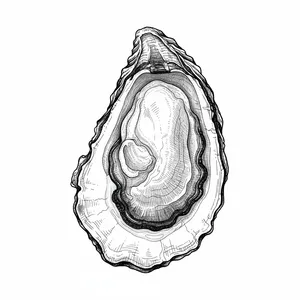
Point aux Pins
US Gulf CoastAlabama's pioneering boutique oyster from Grand Bay. Small, tender, and silky with a signature buttery, creamed-corn sweetness. Mild on brine, big on oysterness.
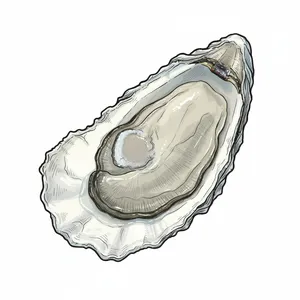
Potomac Whitecap
US East CoastA sweetwater Chesapeake oyster from the Potomac River region. Delicate and sweet with smooth creaminess, medium brine, and a clean finish. Plump meats reflect the freshwater influence of Virginia's Upper Bay Western Shore.
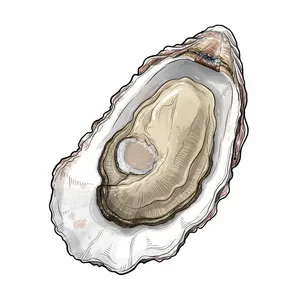
Quadra Island
Canada West CoastSmall, cocktail-sized Pacific oysters from Desolation Sound, British Columbia. Tray-grown with delicate, artfully ridged shells. Light and sweet with green apple candy notes and a subtle tarragon finish.
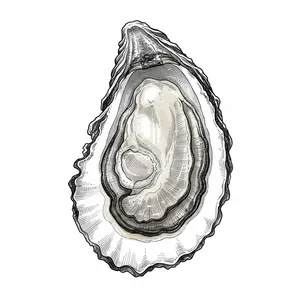
Quilcene
US West CoastBeach-grown Pacific oyster from Quilcene Bay in Hood Canal, Washington. Clean and mild with balanced brininess, delicate sweetness, and a fresh finish. Variable size with firm meats and rugged shells.
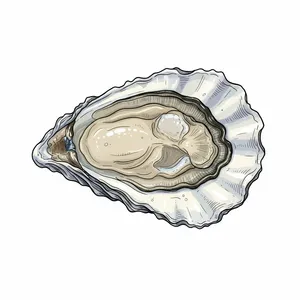
Read Island
Canada West CoastExtra-small tray-grown Pacific oyster from British Columbia's Discovery Islands. Mild and fresh with a sweet finish and delicate shells. Deep-cupped with clean, refined flavor perfect for raw service.
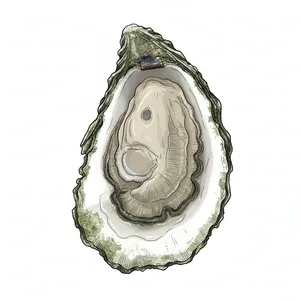
Samish Bay
US West CoastBeach-cultured Pacific oyster from historic Samish Bay in Northern Puget Sound. Firm, plump meats with medium brininess, mild sweetness, and a distinctive refreshing cucumber finish. Rustic lichen-green shells.
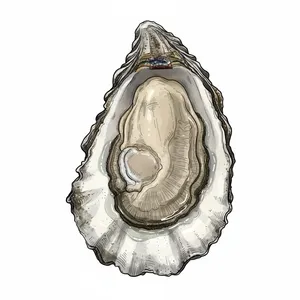
Skookum
US West CoastA sweet, mild Pacific Northwest oyster from South Puget Sound's Little Skookum Inlet. Melon-scented with low brininess and a creamy, herbaceous finish. Farmed since 1883 using rack & bag to beach cultivation.
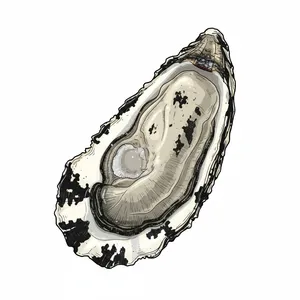
Stingray
US East CoastThe quintessential Chesapeake Bay oyster from Mobjack Bay, Virginia. Perfectly balanced between sweet and salty with a clean, crisp finish. Distinctive white shell with black markings.
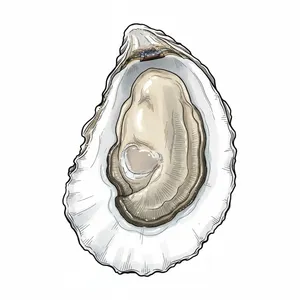
Sunset Beach
US West CoastBeach-raised Pacific oyster from Hood Canal, Washington. Full, plump meats with mild brininess, sweet flavor, and a distinctive melon-like aftertaste. Thick shells and crunchy texture from intertidal cultivation.
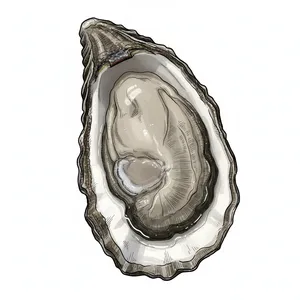
Sydney Rock
AustraliaAustralia's signature oyster. Mild, sweet, and luxuriously creamy with a smooth finish that makes it perfect for beginners.
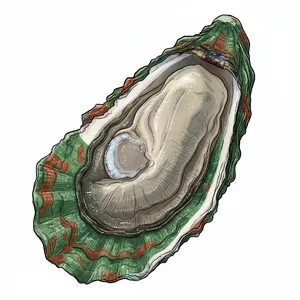
Tomahawk
US East CoastA medium-sized East Coast oyster raised by the Shinnecock Nation in Long Island's Shinnecock Bay. Notable for its chewy texture, moderate salinity, and distinctive herbal finish with celery and sagebrush notes. Pretty jade shells with brick-colored swirls.
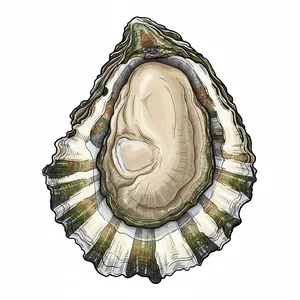
Yaquina
US West CoastLarge, sweet Pacific oyster from Yaquina Bay, Oregon. Creamy texture with subtle brininess and a clean finish. Grown in nutrient-rich waters with exceptional tidal exchange for a distinctively sweet taste.
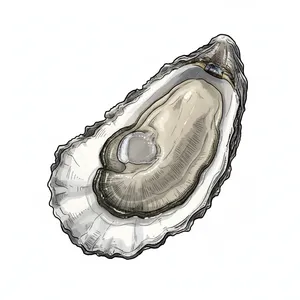
York River
US East CoastLower Bay Virginia oyster from the mouth of the York River. High salinity with mild brininess that transitions to a sweet, clean finish. Crisp mineral notes and smooth texture define this classic Chesapeake variety.