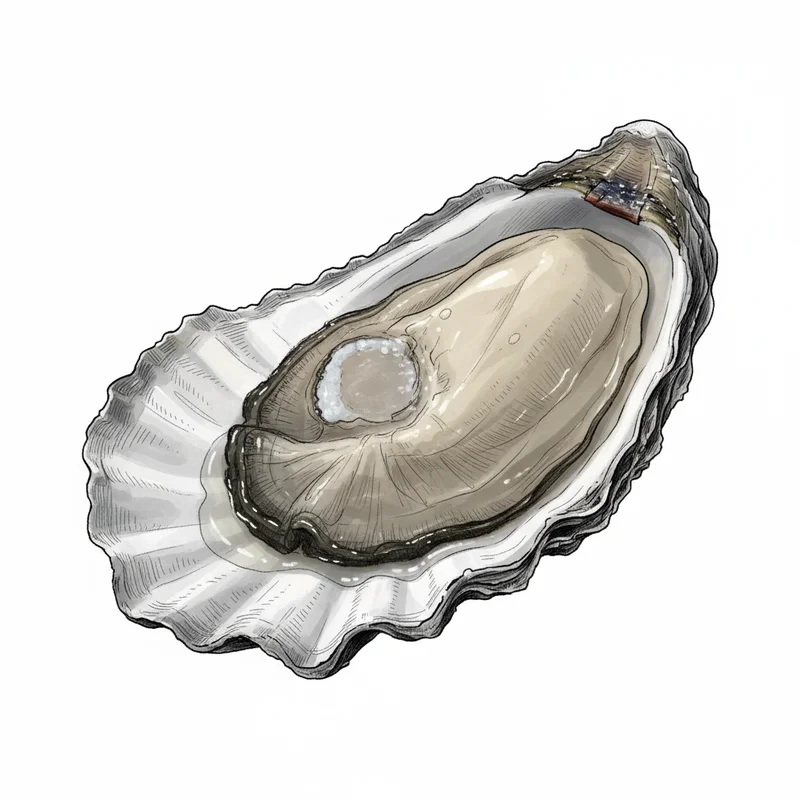
Barron Point
Crassostrea gigas
Hand-sized Pacific oyster from Little Skookum Inlet in southern Puget Sound. Sweet and mildly salty with plump, tender meat and a distinctive musky finish. A well-balanced West Coast favorite.
At a Glance
Barron Point is a Pacific oyster (Crassostrea gigas) from the US West Coast. It is mildly briny (2/5 brininess) and distinctly sweet (4/5 sweetness), with sweet, mild brine flavors and a finish that is musky, mildly salty finish. It is considered a beginner-friendly oyster.
Flavor Profile
Finish
Musky, mildly salty finish
Expert Notes
Barron Point oysters are prized for their impressive hand-sized dimensions and plump, tender meat from the nutrient-rich waters of Little Skookum Inlet. These Pacific oysters showcase a delightful balance of sweetness and mild salinity, with a distinctive musky finish that sets them apart from other Puget Sound varieties. The nicely shaped shells house meaty bodies that deliver a satisfying, well-rounded eating experience perfect for those who appreciate larger, sweeter oysters. Origin & Characteristics
- Species
- Crassostrea gigas
- Native to
- Japan
- Grown in
- Little Skookum Inlet, Southern Puget Sound, Washington
- Size
- Large (3-5 inches)
- Shell Color
- Gray-white with fluted appearance
- Meat Color
- Plump cream
What Experts Say
Across 7 sources, tasters describe this oyster as:
Unique notes: cooked greens, seaweed, funky, collards with pork fat
"A typical Little Skookum oyster, begun in bags and then spread on beaches to mature, soft-textured, sweet, not salty, and musky flavored."
sweetmuskysoft-textured
"Barron Point Oyster's flavor is sweet and mildly salty with a musky finish. This is attributed to the nutrient-rich waters and the mix of fresh and saltwater in their growing area."
sweetmildly saltymusky
"The water in southern Puget Sound is very high in nutrients and not too intensely salty. As a result, the oysters generally taste mildly salty, and the meats tend to have a lot of fat (glycogen) on them, making them plump and sweet. They often have so much sweet to them that it masks the fruity aftertaste common to the pacific oyster."
mildly saltyplumpsweet
"South Sound has that characteristic flavor—full, rich, intense, more sweet than salty, a hint of cooked greens or seaweed, bordering on musky. It's like a sea version of collards with pork fat."
fullrichintensesweetseaweed
"Little Skookum oysters create a thick, funky soup that grows fat, buttery clams and oysters. As you might expect from an inlet so shallow and far from the sea, Little Skookum oysters are not salty."
fatbutteryfunkynot salty
About the Farm
Adams Family Farm
The Adams family farm cultivates Barron Point oysters intertidally on the tidelands of Little Skookum Inlet, combining this method with the inlet's mix of fresh and saltwater to produce distinctive oysters.
- Cultivation Method
- bag to beach
History & Background
Barron Point oysters are grown in Little Skookum Inlet, which marks the farthest capillary of Puget Sound and is fed by Lynch Creek, stuffed with salmon each fall.
Little Skookum Inlet's exposed upstream mudflats act as a natural algae incubator, creating nutrient-rich conditions that produce the characteristic musky, sweet flavor profile associated with South Sound oysters.
Did You Know?
- The oysters are produced by a small, family-run operation that maintains low oyster densities both in grow-out bags and on the beach to produce well-shaped oysters
- Little Skookum Inlet empties completely into Totten Inlet at low tide and is one continuous shellfish bed from shore to shore
- The nutrient-rich waters often produce oysters so sweet that it masks the typical fruity aftertaste common to Pacific oysters
Sources & References
This information was compiled from 7 sources.
- Barron Point - The Oyster Guide — oysterguide.com
- Barron Point Oysters - The Oyster Encyclopedia — oysterencyclopedia.com
- Oysters - West Coast - Crassostrea gigas | Barron Point — fortunefishco.net
- Barron Point Oysters - Chefs Resources — chefs-resources.com
- Barron Point Oyster Flavor Profile - Hama Hama Oyster Company — hamahamaoysters.com
- Hood Canal and Southern Puget Sound - The Oyster Guide — oysterguide.com
- Skookum - Hood Canal and Southern Puget Sound — oysterguide.com
Similar Oysters
Henderson Inlet
US West CoastA community-farmed Puget Sound oyster from a restored watershed. Small and plump with sweet, buttery meat, light salinity, and a distinctive cucumber-earthy finish. All proceeds support water quality restoration.
Skookum
US West CoastA sweet, mild Pacific Northwest oyster from South Puget Sound's Little Skookum Inlet. Melon-scented with low brininess and a creamy, herbaceous finish. Farmed since 1883 using rack & bag to beach cultivation.
Yaquina
US West CoastLarge, sweet Pacific oyster from Yaquina Bay, Oregon. Creamy texture with subtle brininess and a clean finish. Grown in nutrient-rich waters with exceptional tidal exchange for a distinctively sweet taste.
Bald Point
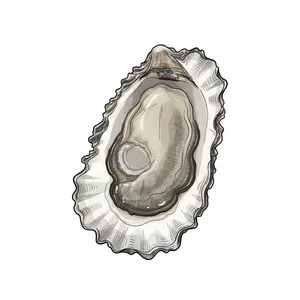
US West CoastSmall, beach-cultured Pacific oyster from Hood Canal, Washington. Low brininess with a sweet, delicate flavor and distinctive musky finish. Hardy shells from intertidal cultivation.
Hammersley Inlet
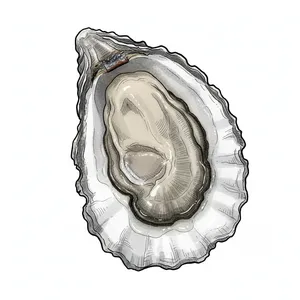
US West CoastBeach-grown Pacific oyster from South Puget Sound's Hammersley Inlet. Plump and sweet with mild saltiness, rich body, and a distinctive cucumber-melon finish. Grown in nutrient-dense waters for excellent meat-to-shell ratio.
Learn More
The Big Five: A Complete Guide to Commercial Oyster Species
Comprehensive guide to C. virginica (Atlantic), C. gigas (Pacific), C. sikamea (Kumamoto), O. lurida (Olympia), and O. edulis (European Flat)
Read article → Biology & SpeciesThe Pacific Oyster (C. gigas): Cream, Cucumber, and the Japanese Legacy
Understanding the world's most cultivated oyster - from Japanese origins to West Coast dominance
Read article → Merroir & EnvironmentWhat Is Merroir? How Water Shapes Oyster Flavor
Merroir is the marine version of terroir: how salinity, temperature, tides, and plankton in the growing water shape an oyster's flavor. The science, plus how to taste it.
Read article →