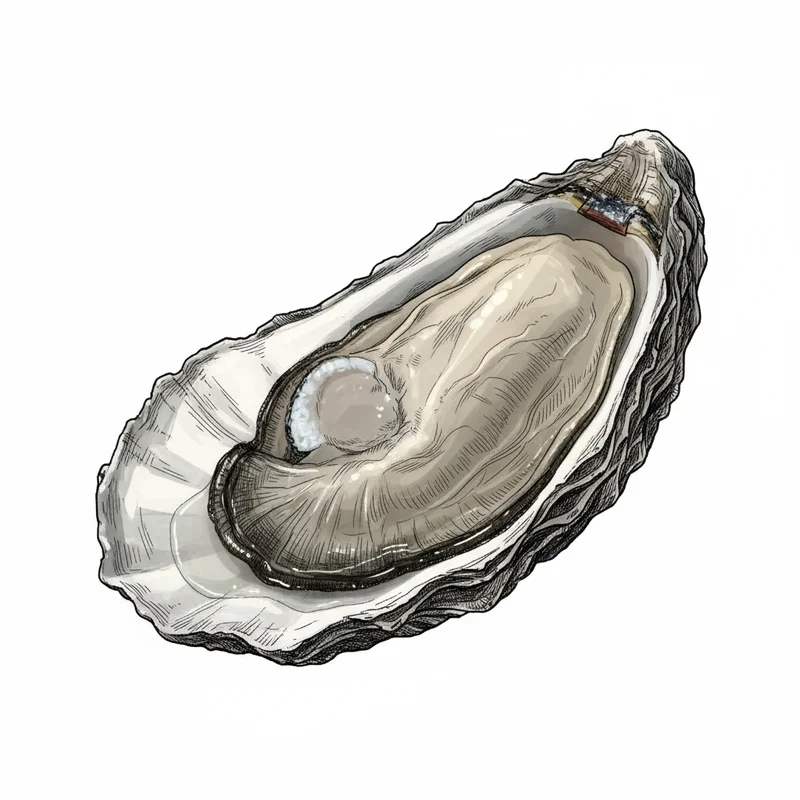
Bedeque Bay
Crassostrea virginica
Bottom-cultured Atlantic oyster from Salutation Cove in Prince Edward Island. Round, deep-cupped with tender meats, high salinity, and a strong distinctive flavor that stands out among typically mild Maritime oysters.
At a Glance
Bedeque Bay is an Eastern oyster (Crassostrea virginica) from the Canada East Coast. It is notably briny (4/5 brininess) and subtly sweet (2/5 sweetness), with briny, strong, distinctive flavors and a finish that is strong, distinctive, lingering.
Flavor Profile
Finish
Strong, distinctive, lingering
Expert Notes
Bedeque Bay oysters are among Prince Edward Island's most distinctive offerings, with a notably stronger flavor profile than typical light-flavored Maritime oysters. Cultivated in the fast-flushing waters of Salutation Cove, these oysters benefit from twice-daily tidal surges that bring rich nutrients around Cranberry Point. This unique terroir results in oysters that grow two to three times faster than other PEI varieties, developing round, deep cups with tender meats and high salinity. The dense algae populations in Bedeque Bay contribute to their robust, full-bodied character that sets them apart from their regional counterparts. Origin & Characteristics
- Species
- Crassostrea virginica
- Native to
- Canada
- Grown in
- Salutation Cove, Bedeque Bay, Prince Edward Island
- Size
- Medium (2-3 inches)
- Shell Color
- Gray-white
- Meat Color
- Cream to light gray
What Experts Say
Across 5 sources, tasters describe this oyster as:
Unique notes: tender meats
"Bedeque Bays and Summersides have stronger flavor compared to the uncommonly light flavor of most Maritime oysters. This is explained by dense algae populations in Bedeque Bay."
strongdistinctive
"Strong, distinctive flavor with high salinity and tender meats. Cultivated in Salutation Cove, Prince Edward Island."
strongdistinctivehigh salinitytender
"They are also stronger flavoured than the typically light flavour of Maritime oysters. Cultivated in Salutation Cove, this spot receives two strong tidal surges each day, giving oysters in this area extra nutrients."
strongdistinctive
"Cultivated in Salutation Cove, this spot receives two strong tidal surges each day, giving oysters in this area extra nutrients. This environment helps them grow twice as fast as others on the Island. They are also stronger flavoured than the typically light flavour of Maritime oysters."
strong
"Grown in the pristine waters with a briny flavor with a sweet finish."
brinysweet
About the Farm
Bedeque Bay oysters are cultivated in Salutation Cove, which receives two strong tidal surges each day that replenish the bay with nutrients, helping oysters grow two to three times faster than other PEI oysters.
- Cultivation Method
- bottom culture
History & Background
Bedeque Bay on PEI's Northumberland Straits coast is considered one of PEI's best oyster regions, with a strong tidal surge that comes around Cranberry Point and replenishes the bay twice daily.
Bedeque Bay stands out among Prince Edward Island oyster regions for producing oysters with stronger, more distinctive flavors compared to the typically mild Maritime oysters, due to dense algae populations and excellent water flow.
Did You Know?
- Oysters in Bedeque Bay grow two to three times faster than any others on PEI
- The bay has a stronger tidal surge compared to slower-flushing Malpeque Bay
- Salutation Cove receives two strong tidal surges each day
Sources & References
This information was compiled from 5 sources.
- Bedeque Bay - Prince Edward Island — The Oyster Guide
- Bedeque Bay Oysters — Chefs Resources
- Aw, Shucks - PEI Living Summer 2022 — PEI Living Magazine
- Beginner's Guide to Oysters — Tourism PEI
- Metropolitan Meat, Seafood & Poultry Oyster Primer — Metropolitan Meat, Seafood & Poultry
Similar Oysters
Tatamagouche
Canada East CoastA briny, nutty oyster from Nova Scotia's Northumberland Strait. Farm-raised in Tatamagouche Bay, these medium-to-large oysters deliver rich, salty flavor with a crisp finish. Avoid in summer when spawning.
Blackberry Point
Canada East CoastCold-water Prince Edward Island oyster from Foxley River and Malpeque Bay. Large, reliably plump and deep-cupped with mild sweetness upfront and a pleasantly lingering medium-high salinity finish. Hand-tongued from small skiffs.
Bras D'or
Canada East CoastWild-harvested Maritime oyster from Cape Breton's Bras D'Or Lakes. Light-bodied with assertive brine, hints of seaweed, and a clean, steely finish. A quintessential Atlantic oyster from pristine Nova Scotia waters.
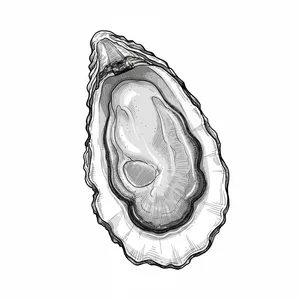
Cape Spear
Canada East CoastA briny Atlantic Canadian oyster from New Brunswick's Northumberland Strait. Meaty and firm with balanced sweetness, mild seaweed notes, and a crisp, steely finish. Cultivated in floating trays.
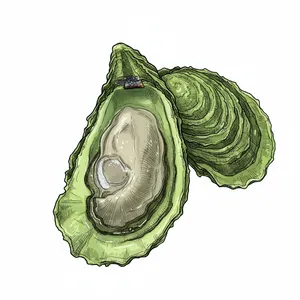
Lucky Lime
Canada East CoastDistinctive PEI oyster with moss-green shells and briny, seaweed-like flavor with refreshing citrus and lime finish.
Learn More
The Big Five: A Complete Guide to Commercial Oyster Species
Comprehensive guide to C. virginica (Atlantic), C. gigas (Pacific), C. sikamea (Kumamoto), O. lurida (Olympia), and O. edulis (European Flat)
Read article → Biology & SpeciesThe Atlantic Oyster (C. virginica): From Maritime Brine to Gulf Sweetness
Deep dive into America's indigenous East Coast oyster - flavor profiles, regional variations, and famous varieties
Read article → Merroir & EnvironmentWhat Is Merroir? How Water Shapes Oyster Flavor
Merroir is the marine version of terroir: how salinity, temperature, tides, and plankton in the growing water shape an oyster's flavor. The science, plus how to taste it.
Read article →