
Bras D'or
Crassostrea virginica
Wild-harvested Maritime oyster from Cape Breton's Bras D'Or Lakes. Light-bodied with assertive brine, hints of seaweed, and a clean, steely finish. A quintessential Atlantic oyster from pristine Nova Scotia waters.
At a Glance
Bras D'or is an Eastern oyster (Crassostrea virginica) from the Canada East Coast. It is notably briny (4/5 brininess) and subtly sweet (2/5 sweetness), with briny, clean flavors and a finish that is clean, steely aftertaste with hints of seaweed.
Flavor Profile
Finish
Clean, steely aftertaste with hints of seaweed
Expert Notes
Bras D'Or oysters are wild-harvested from Cape Breton Island's immense saltwater Bras D'Or Lakes, where they develop in clean Atlantic waters. Despite the lakes' enclosed nature, a small channel to the sea keeps these oysters brinier than expected. They're quintessential Maritime oysters—very light in body with a mild briny flavor that begins softly and builds gradually, revealing subtle notes of seaweed before dissolving into a steely, clean finish. Most come from Alba Oyster Farm, where wild spat is collected and grown for 4-5 years. Origin & Characteristics
- Species
- Crassostrea virginica
- Native to
- Canada
- Grown in
- Bras D'Or Lakes, Cape Breton Island, Nova Scotia
- Size
- Small to Medium (2-3 inches)
- Shell Color
- Green and white
- Meat Color
- Light gray to cream
What Experts Say
Across 6 sources, tasters describe this oyster as:
Unique notes: springy meat, ever-so-fleeting, little liquor
"Other than brine, they are very light in body—a quintessential Maritime oyster."
brinylightclean
"These petite bites contained little liquor and were salty upon first taste, but the flavor was ever-so-fleeting."
saltyfleetinglight
"These oysters come from the same area as the Beau Soleil, but they have their own unique combination of flavors. The ones that I had a saltiness that quickly disappeared upon the first couple of bites."
saltyfleetingunique
"Bright brine with springy meat and a lingering mineral finish."
brinymineralspringy
About the Farm
Alba Oyster Farm
Melissa and Bill Maclean collect their own wild spat in May and grow the seed oysters for a full year in floating trays, near the surface in summer and down below the ice that covers the lakes the other half of the year.
- Cultivation Method
- wild harvest
History & Background
The immense saltwater Bras D'Or Lakes nearly turn Cape Breton Island into a donut shape. The channel to the sea is small, but the lakes aren't fed by any sizable rivers, so the oysters stay brinier than you might think.
For decades, the Bras d'Or oyster industry blended wild-caught harvest and aquaculture; locals picked oysters from public beds while commercial growers cultivated the shellfish in vast beds on the lake. Mi'kmaw harvesters have historically collected oysters to eat and sell as well as for ceremonial purposes.
Did You Know?
- The Bras D'Or Lakes are actually saltwater lakes that nearly turn Cape Breton Island into a donut shape
- Oysters spend part of the year growing below the ice that covers the lakes
- The oysters are gently placed on the bottom of the lakes where they spend three years slowly marinating in Atlantic brine
Sources & References
This information was compiled from 6 sources.
- Bras D'Or - Nova Scotia — The Oyster Guide
- Oysters & Absinthe at Maison Premiere — In A Half Shell
- Cape Breton Oyster — Oysterology Online — Pangea Shellfish
- Alba Bras d'Or Lakes Oysters — Chef's Resources
- Freeing Nova Scotia's oysters from a parasite's hold — The Narwhal
- Oyster Tasting Log - Peek & Eat — Peek & Eat
Similar Oysters
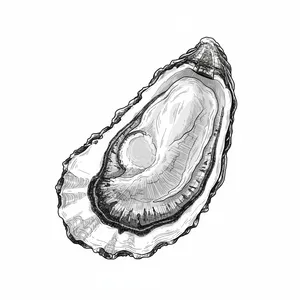
Little Shemogue
Canada East CoastA premium cultured oyster from Southeast New Brunswick's Tormentine Peninsula. Small and plump with medium-high brininess, mineral richness, and a clean, sweet finish. Fresh biscuit aroma makes it an ideal starter oyster.
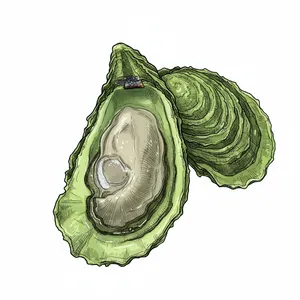
Lucky Lime
Canada East CoastDistinctive PEI oyster with moss-green shells and briny, seaweed-like flavor with refreshing citrus and lime finish.
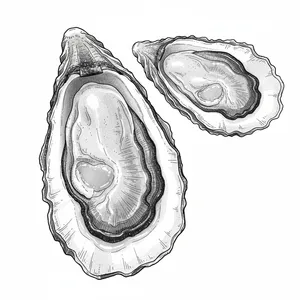
Tresor Du Large
Canada East CoastRaised in deepwater offshore cages around Les Îles-de-la-Madeleine, Quebec. Intensely briny with a sweet, subtle finish. Firm, meaty, and exceptionally clean with consistent quality.
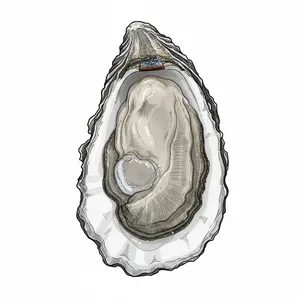
Bedeque Bay
Canada East CoastBottom-cultured Atlantic oyster from Salutation Cove in Prince Edward Island. Round, deep-cupped with tender meats, high salinity, and a strong distinctive flavor that stands out among typically mild Maritime oysters.
Cape Breton
Canada East CoastWild-caught oyster from Cape Breton Island's pristine waters in Nova Scotia. Very briny with bright ocean character, firm springy meat, and a lingering mineral finish that reflects the clean Atlantic surroundings.
Learn More
The Big Five: A Complete Guide to Commercial Oyster Species
Comprehensive guide to C. virginica (Atlantic), C. gigas (Pacific), C. sikamea (Kumamoto), O. lurida (Olympia), and O. edulis (European Flat)
Read article → Biology & SpeciesThe Atlantic Oyster (C. virginica): From Maritime Brine to Gulf Sweetness
Deep dive into America's indigenous East Coast oyster - flavor profiles, regional variations, and famous varieties
Read article → Merroir & EnvironmentWhat Is Merroir? How Water Shapes Oyster Flavor
Merroir is the marine version of terroir: how salinity, temperature, tides, and plankton in the growing water shape an oyster's flavor. The science, plus how to taste it.
Read article →