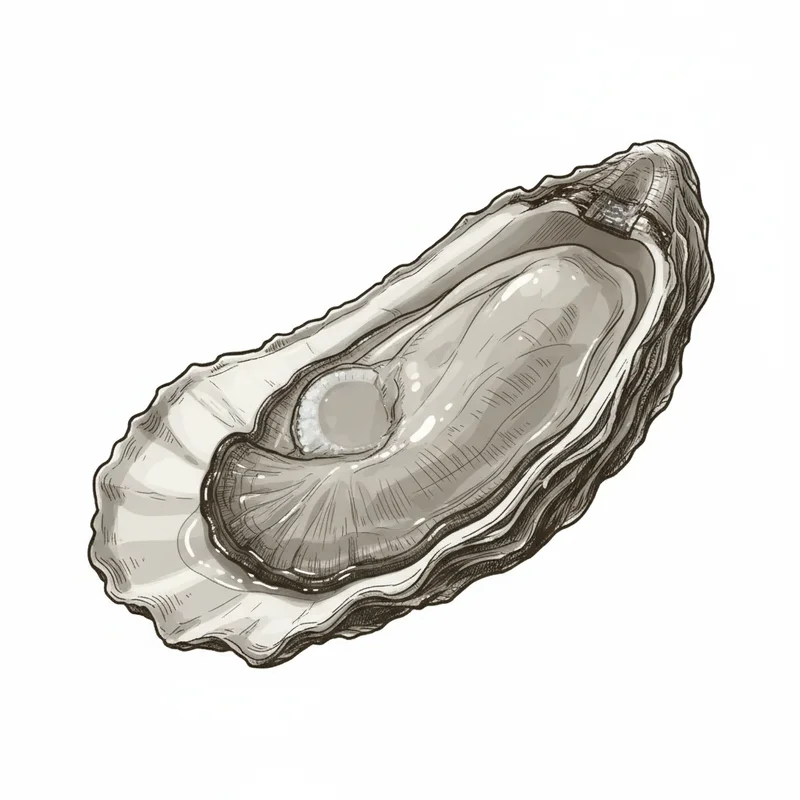
Broadwater
Crassostrea virginica
A Virginia oyster grown in Chesapeake waters and finished on the Atlantic side for enhanced salinity. Plump, smooth meat with lively brininess and complex flavor that sets it apart from typical Chesapeake oysters.
At a Glance
Broadwater is an Eastern oyster (Crassostrea virginica) from the US East Coast. It is notably briny (4/5 brininess) and moderately sweet (3/5 sweetness), with briny, sweet flavors and a finish that is smooth, lively, balanced.
Flavor Profile
Finish
Smooth, lively, balanced
Expert Notes
Broadwater oysters are a promising Virginia variety that showcases the best of both Chesapeake and Atlantic waters. Grown in Occohannock Creek on Virginia's Eastern Shore, these oysters are then relayed to the Atlantic side just before sale to 'salt them up' - a time-tested practice that distinguishes them from typical Chesapeake oysters. This unique finishing process gives Broadwaters a lively brininess and complex flavor profile while maintaining plump, smooth meat and a balanced sweetness. Origin & Characteristics
- Species
- Crassostrea virginica
- Native to
- USA
- Grown in
- Occohannock Creek, Virginia Eastern Shore (Chesapeake Bay), Atlantic side of Virginia Eastern Shore (finishing)
- Size
- Medium (2-4 inches)
- Shell Color
- Gray-white
- Meat Color
- Plump, light gray
What Experts Say
Across 5 sources, tasters describe this oyster as:
Unique notes: pine, lemongrass, cedar, spice, silky
"Broadwaters are some of the biggest Virginia oysters I've seen, with deep cups and a salty, tangy taste with hints of pine or lemongrass (something I've previously noticed in Long Island oysters, which these closely resemble). The shells are a bit brittle, but that seems to be a problem endemic to the Chesapeake these days. Broadwaters nice surf/turf flavor comes from their broken-home upbringing."
saltytangypinelemongrassbriny
"Broadwaters are mouthwateringly briny. They also have a lively pizzazz that I associate with such sainted oysters as Colville Bay and Totten Inlet Virginicas, high praise indeed, and they end with a unique and fascinating finish of cedar and spice. All in all, great flavor."
brinylivelycedarspice
"A bold burst of briny saltiness followed by a smooth, creamy finish with subtle buttery notes."
brinysaltycreamybutterysmooth
"Initial bold saltiness mellowing into a taste of sweet butter/cream at the finish."
saltyboldsweetbutterycreamy
"Freshly shucked premium oysters were wonderful, I had a dozen with lemon juice; plump, briny and silky."
brinysilkyfreshplump
About the Farm
Broadwater Oysters
The oysters are raised in Occohannock Creek, a Chesapeake tidal creek on Virginia's Eastern Shore, until they reach market size. They are then relayed to Magothy Bay on the Atlantic side of the Eastern Shore to 'salt them up' for a few days, absorbing Atlantic brine to enhance their salinity.
- Cultivation Method
- bottom culture
History & Background
Broadwater Oysters represent part of the Chesapeake oyster revival. The unique two-stage growing process—raising oysters in the low-salinity Chesapeake waters and then finishing them in the higher-salinity Atlantic waters—is an age-old technique that distinguishes these oysters from typical Chesapeake varieties.
The relay technique used for Broadwater oysters is a time-tested practice that benefits most low-salt oysters. Magothy Bay, being outside the eastern shore of Virginia and out of reach of freshwater rivers, provides the Atlantic brine that gives these oysters their distinctive character.
Did You Know?
- These are some of the biggest Virginia oysters available, with deep cups and hefty market size
- The 'broken-home upbringing' (growing in two different water bodies) gives them a unique surf/turf flavor
- Broadwater also sells Occohannocks, which are the same oysters but not relayed oceanside
Sources & References
This information was compiled from 5 sources.
- Broadwater Oysters — The Oyster Guide
- Broadwater Oysters (Virginia) — The Oyster Guide
- Oyster Regions — Virginia Oyster Trail
- Everything You Need to Know About Virginia Oysters — Virginia.org
- Broadwater Oysters Reviews — Wanderlog
Similar Oysters
Blue Point (Great South Bay)
US East CoastThe legendary Blue Point oyster, restored to its original Great South Bay home. Full-salt brininess with sweet honeydew finish and distinctive pine and anise notes. A historic American favorite since the 1820s.
Bulls Bay
US East CoastHistoric South Carolina oyster from Bulls Bay. Large and meaty with a firm texture, pronounced briny flavor, and distinctive sweet finish. Shaped by high salinity coastal waters with peak flavor in colder months.
Fishers Island
US East CoastA distinctively bold, deep-cupped Atlantic oyster from Block Island Sound. Grown in suspended lantern nets by a family farm for over 40 years. Briny with focused savory notes, strikingly clean finish, and firm texture.
Glidden Point
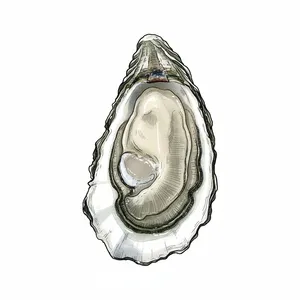
US East CoastThe definitive Maine oyster from the Damariscotta River. Bottom-cultured in frigid waters, producing thick, heavy shells with deep cups and firm meats. Crisp and complex with pronounced brininess balanced by sweetness.
Mystic
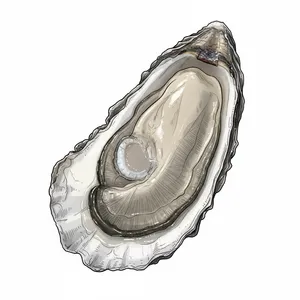
US East CoastBottom-planted Connecticut oyster from the Mystic River. Firm, meaty texture with intense brininess from high salinity waters, finishing with a distinctive sweet note. Thick, irregular shells house a robust flavor.
Learn More
The Big Five: A Complete Guide to Commercial Oyster Species
Comprehensive guide to C. virginica (Atlantic), C. gigas (Pacific), C. sikamea (Kumamoto), O. lurida (Olympia), and O. edulis (European Flat)
Read article → Biology & SpeciesThe Atlantic Oyster (C. virginica): From Maritime Brine to Gulf Sweetness
Deep dive into America's indigenous East Coast oyster - flavor profiles, regional variations, and famous varieties
Read article → Merroir & EnvironmentWhat Is Merroir? How Water Shapes Oyster Flavor
Merroir is the marine version of terroir: how salinity, temperature, tides, and plankton in the growing water shape an oyster's flavor. The science, plus how to taste it.
Read article →