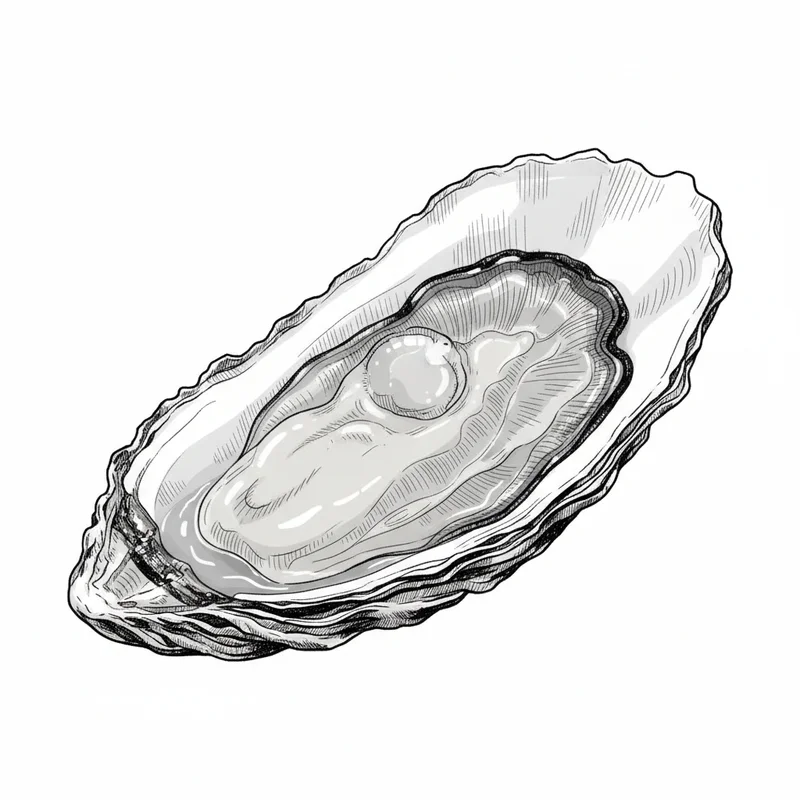
Cape Blue
Crassostrea virginica
Hand-grown Cape Cod Bay oyster from Barnstable Harbor. Medium-sized with distinctive white-and-black shells, highly briny with firm texture and a slightly nutty finish. Rich New England clambake flavor.
At a Glance
Cape Blue is an Eastern oyster (Crassostrea virginica) from the US East Coast. It is notably briny (4/5 brininess) and subtly sweet (2/5 sweetness), with briny, rich flavors and a finish that is slightly nutty, clean brine.
Flavor Profile
Finish
Slightly nutty, clean brine
Expert Notes
Cape Blue oysters from Barnstable Harbor exemplify the bold character of Cape Cod Bay oysters. Hand-grown in the nutrient-rich, high-salinity waters that benefit from strong tidal flows twice daily, these oysters develop a distinctive ocean-in-a-shell flavor with pronounced brininess and minerality. Their firm, meaty texture and slightly nutty finish recall the classic New England clambake experience - sweet corn, shellfish, and salt - making them a favorite among experienced oyster enthusiasts who appreciate a robust, briny profile. Origin & Characteristics
- Species
- Crassostrea virginica
- Native to
- USA
- Grown in
- Barnstable Harbor, Cape Cod Bay, Massachusetts
- Size
- Medium (3-4 inches)
- Shell Color
- White and black
- Meat Color
- Cream to light gray
What Experts Say
Across 5 sources, tasters describe this oyster as:
Unique notes: layered seaweed, Camden sea captain salty
"Cape Blues definitely delivered on the brininess, but they weren't as firm as, say, a Pemaquid or a Glidden Point. Flavor: 6 | Salinity: 8 | Sweetness: 3 | Umami: 2 | Texture: Slightly chewy, soft. Straightforward brininess but lack depth in flavor."
brinysaltysoftchewy
"The complex, layered seaweed and mineral notes of the Cape Blue oysters from the Damariscotta River are wonderful."
seaweedmineralcomplexlayered
"Cape Blue is a Hog Island is a Damariscotta. Grown in the Damariscotta River, known for cold water growing conditions that produce distinctly Maine oysters that are salty as a Camden sea captain."
saltybriny
About the Farm
Hog Island Shellfish
A small aquaculture firm located at Hog Island point in the Damariscotta River. They market their oysters as 'Cape Blue' to avoid confusion with California's famous Hog Island Oyster Company.
- Cultivation Method
- bottom culture
History & Background
The Damariscotta River has been ground zero for oyster lovers for thousands of years, with the Glidden Midden - an enormous 30-foot-high hill of oyster shells dating back over 2,000 years - sitting high up the estuary.
Cape Blue oysters are part of Maine's rich oyster renaissance, grown in the same Damariscotta River that hosts other prominent oyster farms like Glidden Point and Pemaquid. The river is considered the Northeast's Cote D'Or for oyster production.
Did You Know?
- Named 'Cape Blue' specifically to avoid confusion with California's Hog Island Oyster Company
- Grown in the same waters where Native Americans harvested oysters over 2,000 years ago
- The Damariscotta River runs cold, foggy, wide and deep fifteen miles inland, providing ideal growing conditions
Sources & References
This information was compiled from 5 sources.
- Cape Blue - Maine - The Oyster Guide — oysterguide.com
- A Week in the Life of an Oysterholic — inahalfshell.com
- New Oyster Cult - Portland Magazine — portlandmonthly.com
- Blazing the Maine Oyster Trail — inahalfshell.com
- Maine - The Oyster Guide — oysterguide.com
Similar Oysters
Bluepoint (Long Island Sound)
US East CoastAmerica's most famous oyster since the 1800s. Bottom-planted in Long Island Sound with heavy, gnarly shells. Intensely briny and bold with metallic notes, firm texture, and a mineral finish. A salty classic for purists.
East End
US East CoastClassic East Coast oyster with high salinity and pronounced minerality. Medium-sized with a chewy texture, delivering briny, vegetal flavors and a clean, crisp finish.
Narragansett
US East CoastWild-harvested and farmed oysters from Rhode Island's historic Narragansett Bay. Long and skinny with shallow cups, these oysters deliver strong brine with earthy, mineral notes and a clean finish that reflects the challenging bay conditions.
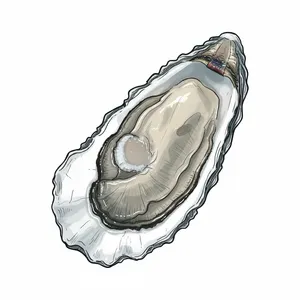
Row 34
US East CoastAn innovative rack-and-bag oyster from Duxbury Bay, Massachusetts. Clean and crisp with strong briny minerality, nutty umami notes, and less vegetal character than bottom-planted varieties. Named after the experimental 34th row of oyster trays.
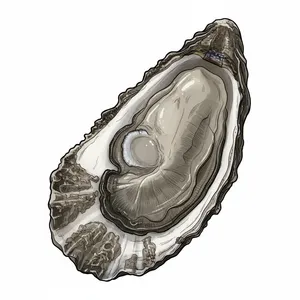
Speciale
US East CoastA wild Long Island oyster with bold, briny character. Heavy shells, meaty texture, complex mineral and metallic notes with cucumber undertones.
Learn More
The Big Five: A Complete Guide to Commercial Oyster Species
Comprehensive guide to C. virginica (Atlantic), C. gigas (Pacific), C. sikamea (Kumamoto), O. lurida (Olympia), and O. edulis (European Flat)
Read article → Biology & SpeciesThe Atlantic Oyster (C. virginica): From Maritime Brine to Gulf Sweetness
Deep dive into America's indigenous East Coast oyster - flavor profiles, regional variations, and famous varieties
Read article → Merroir & EnvironmentWhat Is Merroir? How Water Shapes Oyster Flavor
Merroir is the marine version of terroir: how salinity, temperature, tides, and plankton in the growing water shape an oyster's flavor. The science, plus how to taste it.
Read article →