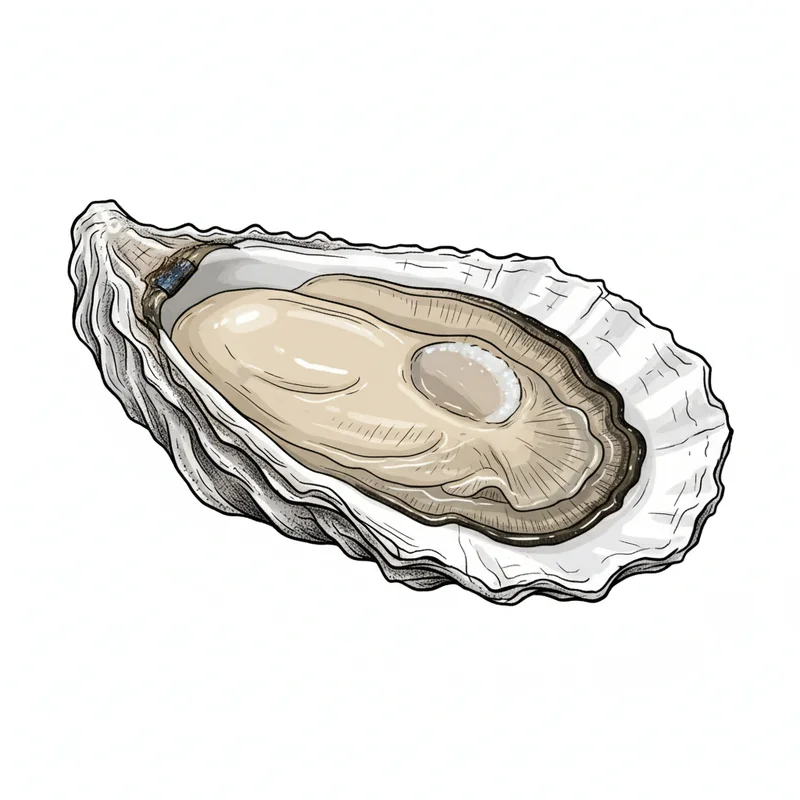
Cape May Salt
Crassostrea virginica
A stalwart mid-Atlantic oyster from Delaware Bay, New Jersey. Briny and sweet with exceptionally plump, creamy meat from rack and bag cultivation near Cape May's salty waters.
At a Glance
Cape May Salt is an Eastern oyster (Crassostrea virginica) from the US East Coast. It is notably briny (4/5 brininess) and moderately sweet (3/5 sweetness), with briny, sweet flavors and a finish that is sweet, rich, memorable.
Flavor Profile
Finish
Sweet, rich, memorable
Expert Notes
Cape May Salt oysters have been prized since pre-colonial times, first enjoyed by Native Americans and later embraced by European settlers. Grown using the rack and bag technique on intertidal flats near the saltier southern end of Delaware Bay, these oysters develop exceptionally plump, fatty meat year-round. The proximity to the Atlantic Ocean gives them a robust briny punch balanced by natural sweetness and a luxuriously creamy texture that sets them apart from other Delaware Bay oysters. Origin & Characteristics
- Species
- Crassostrea virginica
- Native to
- USA
- Grown in
- Delaware Bay, Cape May County, New Jersey
- Size
- Medium to Large (3-4 inches)
- Shell Color
- White
- Meat Color
- Cream
What Experts Say
Across 6 sources, tasters describe this oyster as:
Unique notes: ripe plums, mushroomy, earthy, pointed salinity
"A small petite (1 inch) oyster that tasted very clean and crisp. The meat was very light, plump, and the liquid was moderately salty."
cleancrispplumpmoderately salty
"Bob Rheault, a former oyster farmer, now executive director of the East Coast Shellfish Growers Association, also praises Cape May Salts. 'It's a wonderful product. Nice shell, great flavor, full meat.'"
great flavorfull meat
"A Stalwart of mid-Atlantic oyster community. Excellent availability throughout the year. Decent size with a sweet brine and fatty meat. As others have commented, briny, plump, and sweet."
brinysweetplumpfatty
"Very nice oyster this far south (yes, Cape May is pretty far south when it comes to quality oysters). Briny and sweet at the same time, with a pleasant, creamy, texture."
brinysweetcreamy
"The salty, succulent flavor of the Cape May Salt has made it a favorite of oyster lovers for centuries."
saltysucculent
"One year, they're beautifully crisp with pointed salinity and sweet like ripe plums. The next year, they are earthy and mushroomy and mellow."
crisppointed salinitysweetplumearthy
About the Farm
Cape Harbor Shellfish (formerly Atlantic Capes Fisheries)
Est. 1997In 1997, Atlantic Capes Fisheries partnered with Rutgers University to launch the Cape May Salt farm, putting New Jersey's resurgent oyster culture back on the map. In February 2024, Atlantic Capes licensed the brand to former general manager Brian Harman and his new venture, Cape Harbor Shellfish.
- Cultivation Method
- rack and bag
History & Background
Archaeological evidence shows that what we now call Cape May Salt was first enjoyed by Native Americans who inhabited southern New Jersey's Delaware Bay Shore. European colonists in the 1600s also appreciated this delicacy. Cultivation began towards the end of the 19th century. A deadly parasite wiped out most of the oyster population in the 1950s, causing the industry to crash. In the 1990s, regulations were put in place to save the oyster stock, and the modern Cape May Salt was revived through partnership between Atlantic Capes Fisheries and Rutgers University in 1997.
Cape May Salts became recognized as one of the top oyster varieties in the US and accounted for nearly 20% of New Jersey's entire harvest of 5.4 million farmed oysters in 2023. The oyster helped revive New Jersey's oyster industry after decades of decline.
Did You Know?
- Cape May Salts are grown in the saltier southern end of Delaware Bay, closer to the Atlantic's briny waters, making them unusually salty compared to other Delaware Bay oysters
- In 2020, Atlantic Capes attempted to industrialize oyster farming with a massive deepwater farm two miles off the coast that could have tripled New Jersey's oyster production, but the experimental technology failed
- The farm uses the 'rack and bag' technique initially developed in France, ideally suited for Cape May's intertidal flats
Sources & References
This information was compiled from 6 sources.
- Ebb, Flow, and Cape May Salts — In A Half Shell
- New Jersey Oysters and Knots — Edible Jersey
- Cape May Salt Oyster — Oysterater
- Two New Oysters You Should Try This Week - Cape May Salts & Stormy Bays — Congressional Seafood
- The Cape May Salt oysters is under new management — Philadelphia Inquirer
- Cape May Salt Oyster Farm Visit — Elwood Restaurant
Similar Oysters
Dennis
US East CoastCape Cod Bay oyster from South Dennis, Massachusetts. Plump meat with high brininess balanced by sweetness. Three years of growth in pristine open ocean waters create a rich, clean, and savory flavor profile.
Martha's Vineyard
US East CoastA bold island oyster from Martha's Vineyard, Massachusetts. Large and deep-cupped with an intense briny hit, smooth creamy body, and sweet finish. Known for plumpness and abundant liquor.
Nonesuch
US East CoastBottom-planted Maine oyster from the Scarborough River nature conservancy. Known for distinctive moss-green shells and hearty meat with a fantastic balance of brine and sweetness, finishing with unique bitter green olive notes and silky texture.
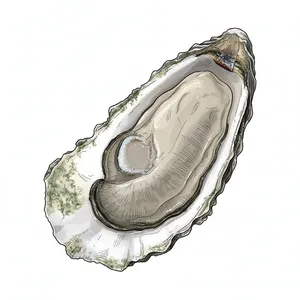
Pleasant Bay
US East CoastA deeply-cupped Cape Cod oyster from the pristine waters of Pleasant Bay in Orleans, Massachusetts. Classic Atlantic brininess with a buttery texture, crisp clean flavor, and sweet finish. Rack and bag cultivated for three years.
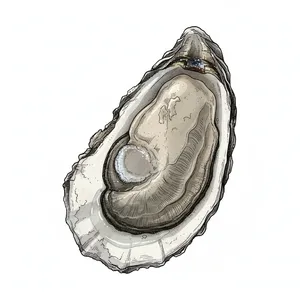
Pungoteague Creek
US East CoastClassic Virginia Bay oyster from Nandua Bay on the Eastern Shore. Perfectly balanced brininess and sweetness with a creamy, tender texture and buttery finish. A quintessential Chesapeake oyster.
Learn More
The Big Five: A Complete Guide to Commercial Oyster Species
Comprehensive guide to C. virginica (Atlantic), C. gigas (Pacific), C. sikamea (Kumamoto), O. lurida (Olympia), and O. edulis (European Flat)
Read article → Biology & SpeciesThe Atlantic Oyster (C. virginica): From Maritime Brine to Gulf Sweetness
Deep dive into America's indigenous East Coast oyster - flavor profiles, regional variations, and famous varieties
Read article → Merroir & EnvironmentWhat Is Merroir? How Water Shapes Oyster Flavor
Merroir is the marine version of terroir: how salinity, temperature, tides, and plankton in the growing water shape an oyster's flavor. The science, plus how to taste it.
Read article →