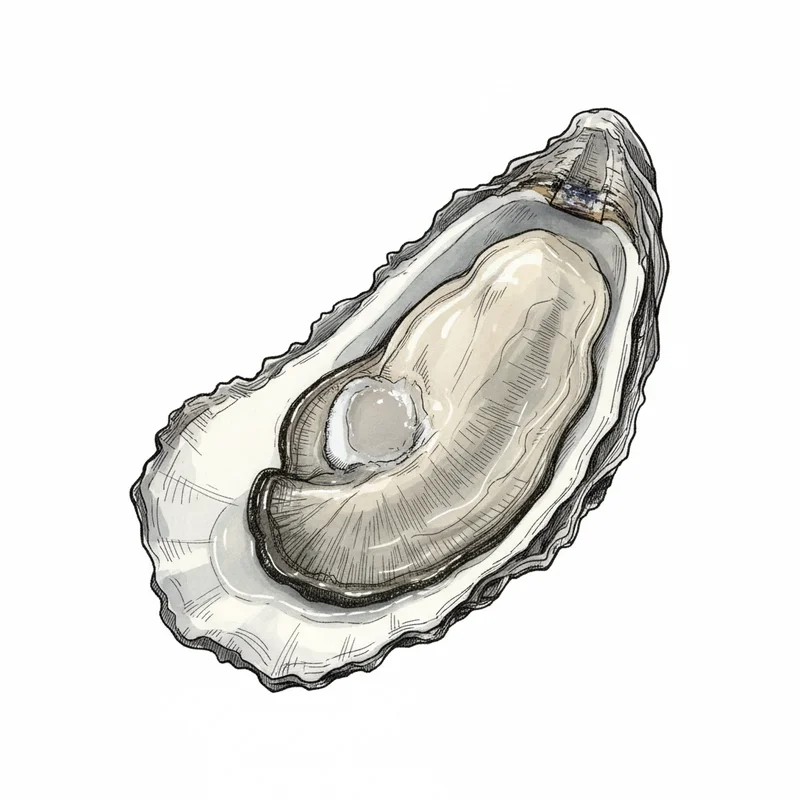
Cape Spear
Crassostrea virginica
A briny Atlantic Canadian oyster from New Brunswick's Northumberland Strait. Meaty and firm with balanced sweetness, mild seaweed notes, and a crisp, steely finish. Cultivated in floating trays.
At a Glance
Cape Spear is an Eastern oyster (Crassostrea virginica) from the Canada East Coast. It is notably briny (4/5 brininess) and moderately sweet (3/5 sweetness), with briny, balanced sweet flavors and a finish that is steely, clean aftertaste with lingering seaweed notes.
Flavor Profile
Finish
Steely, clean aftertaste with lingering seaweed notes
Expert Notes
Cape Spear oysters from New Brunswick's Northumberland Strait are cultivated in floating trays near the bridge to Prince Edward Island. These meaty 3-inch oysters begin with a soft entry on the palate that slowly develops into a briny intensity, balanced by a pleasant sweetness. The firm texture and subtle seaweed notes dissolve into a crisp, steely finish that showcases the clean waters of the Atlantic Canadian Maritimes. Origin & Characteristics
- Species
- Crassostrea virginica
- Native to
- Canada
- Grown in
- Northumberland Strait, New Brunswick
- Size
- Medium (3 inches)
- Shell Color
- Gray-white
- Meat Color
- Cream to light gray
What Experts Say
Across 5 sources, tasters describe this oyster as:
Unique notes: seaweed, crunchy, firm, plump
"Clean and salty flavor with a sweet finish. There is a hint of minerality characteristic of oysters from the Atlantic Canadian coast. The oyster's meat is firm and plump. It has a slightly crunchy texture."
cleansaltysweetmineralfirm
"These oysters are known for their briny start, sweet middle, and mineral finish."
brinysweetmineral
"Grown in floating trays on the Southeast shore of New Brunswick, Cape Spear Salts are briny with hints of mineral and seaweed. They have a clean salty finish."
brinymineralseaweedcleansalty
About the Farm
Grown in the nutrient-rich waters near Dipper Harbour, New Brunswick in Canada. The oysters are cultivated on the Southeast shore of New Brunswick in floating trays.
- Cultivation Method
- floating bags
History & Background
Cape Spear Salt oysters are named after Cape Spear, the easternmost point of North America. This region, steeped in maritime history, provides the briny, nutrient-rich waters that support the growth of these oysters.
Cape Spear itself derives its name from the Portuguese Cabo d'Espera (Cape of Waiting), a reference to its historical significance as a landmark for early explorers and fishermen.
Did You Know?
- Named after Cape Spear, the easternmost point of North America
- The name comes from Portuguese 'Cabo d'Espera' meaning 'Cape of Waiting'
- Grown in the Gulf of St. Lawrence region of Atlantic Canada
Sources & References
This information was compiled from 5 sources.
- Cape Spear Salt Oysters - The Oyster Encyclopedia — oysterencyclopedia.com
- LIVE OYSTERS - Fortune Fish & Gourmet — fortunefishco.net
- LIVE OYSTERS - Fortune Fish & Gourmet — fortunefishco.net
- OysterFinder - The Oyster Guide — oysterguide.com
- The Newfoundlander's motto: 'In Cod We Trust' — southcoasttoday.com
Similar Oysters
Blackberry Point
Canada East CoastCold-water Prince Edward Island oyster from Foxley River and Malpeque Bay. Large, reliably plump and deep-cupped with mild sweetness upfront and a pleasantly lingering medium-high salinity finish. Hand-tongued from small skiffs.
Tresor Du Large
Canada East CoastRaised in deepwater offshore cages around Les Îles-de-la-Madeleine, Quebec. Intensely briny with a sweet, subtle finish. Firm, meaty, and exceptionally clean with consistent quality.
Bedeque Bay
Canada East CoastBottom-cultured Atlantic oyster from Salutation Cove in Prince Edward Island. Round, deep-cupped with tender meats, high salinity, and a strong distinctive flavor that stands out among typically mild Maritime oysters.
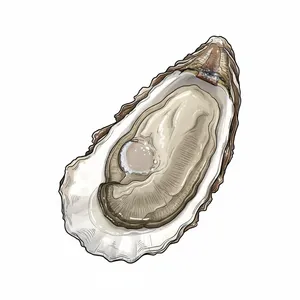
Cape Breton
Canada East CoastWild-caught oyster from Cape Breton Island's pristine waters in Nova Scotia. Very briny with bright ocean character, firm springy meat, and a lingering mineral finish that reflects the clean Atlantic surroundings.
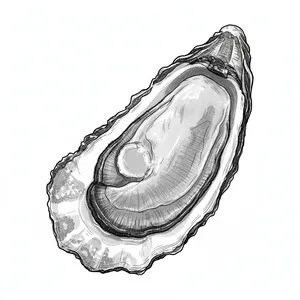
French Kiss
Canada East CoastA larger, mature Beausoleil from Miramichi Bay, New Brunswick. Full and plump with sharp brininess, clean taste, and a sweet finish. Hand-packed with exceptional attention to detail.
Learn More
The Big Five: A Complete Guide to Commercial Oyster Species
Comprehensive guide to C. virginica (Atlantic), C. gigas (Pacific), C. sikamea (Kumamoto), O. lurida (Olympia), and O. edulis (European Flat)
Read article → Biology & SpeciesThe Atlantic Oyster (C. virginica): From Maritime Brine to Gulf Sweetness
Deep dive into America's indigenous East Coast oyster - flavor profiles, regional variations, and famous varieties
Read article → Merroir & EnvironmentWhat Is Merroir? How Water Shapes Oyster Flavor
Merroir is the marine version of terroir: how salinity, temperature, tides, and plankton in the growing water shape an oyster's flavor. The science, plus how to taste it.
Read article →