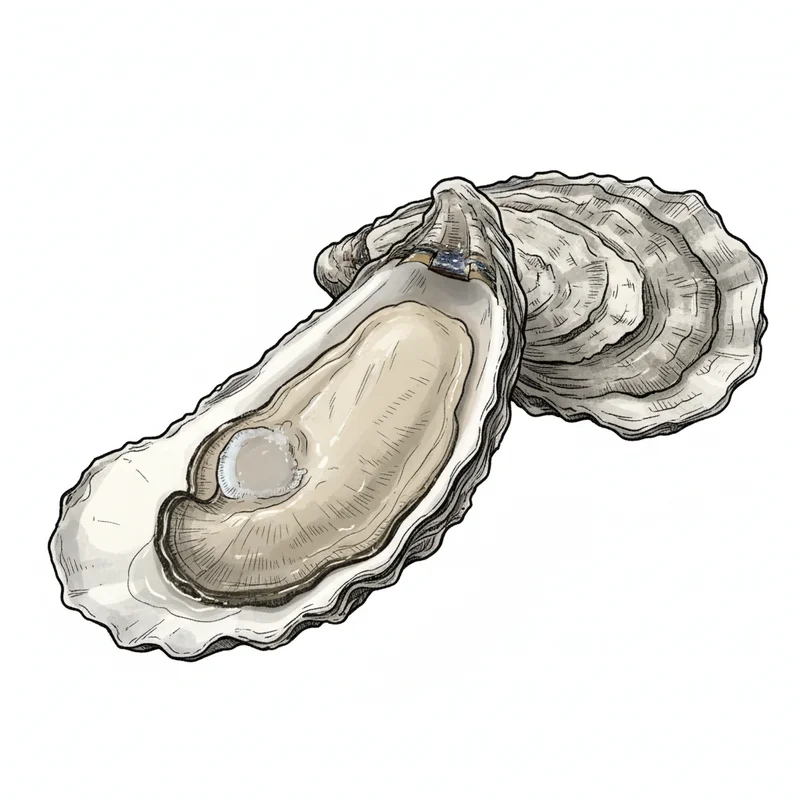
Capers Blades
Crassostrea virginica
Wild-harvested blade oysters from Capers Island, South Carolina. Hand-selected by Clammer Dave from natural reefs, delivering clean, sweet meat with intensely briny, tongue-curling salty liquor and a robust, metallic finish.
At a Glance
Capers Blades is an Eastern oyster (Crassostrea virginica) from the US East Coast. It is intensely briny (5/5 brininess) and moderately sweet (3/5 sweetness), with briny, sweet, clean flavors and a finish that is intense, salty, lingering.
Flavor Profile
Finish
Intense, salty, lingering
Expert Notes
Capers Blades are traditional wild 'blade' oysters hand-harvested by Clammer Dave from the natural reefs near Capers Island. These knife-edged oysters deliver clean, sweet meat balanced by abundant tongue-curling salty liquor. The wild harvest method and saltmarsh environment create a distinctly briny, metallic intensity with thick, gnarly shells that reflect their robust character—not for sissies, but a favorite among Charleston's finest restaurants. Origin & Characteristics
- Species
- Crassostrea virginica
- Native to
- USA
- Grown in
- Capers Island, Charleston, South Carolina
- Size
- Small to Medium (2-3 inches)
- Shell Color
- Gray-white, knife-edged
- Meat Color
- Light cream
What Experts Say
Across 7 sources, tasters describe this oyster as:
Unique notes: tongue-curling salty liquor, metallic finish, rivals northern oysters
"Excellent level of briny flavor, medium to small size with perfect shell shape for easy plating and consumption. Was told that they were very easy to shuck."
briny
"These are elongated and are delicious. The Capers Blades and Blue Tips are delicious and you can bit them as they have a lot of flavor. Most people that eat oysters add a little lemon, sauce mixed with horseradish!"
flavorful
"The resulting oysters present a clean, flavorful bite, with a salty liquor that rivals examples from colder waters far to our north."
cleanflavorfulsalty
"Rich, briny flavor with a clean finish and lack of dry aftertaste."
richbrinyclean
About the Farm
Clammer Dave's Sustainable Gourmet
Founded by Dave Belanger (known as 'Clammer Dave'), a former agriculturist and cattle manager who transitioned to shellfish farming in 1998. He hand-harvests oyster clusters from designated oyster banks near Capers Island Wildlife Refuge and culls them into singles using a traditional chisel-and-stone process dating back 200 years to the era of slave labor.
- Cultivation Method
- wild harvest
- Certifications
- Sustainable
History & Background
Capers Blades represent a pivotal moment in Charleston's oyster renaissance. When chef Mike Lata moved to Charleston in 1998, there was no half-shell culture—local single oysters simply didn't exist. Clammer Dave was among the first to change this, hand-selecting wild oysters from natural reefs near Capers Island and introducing them as premium singles.
These oysters helped establish Charleston as a premier oyster destination and are served at top restaurants including The Ordinary and were championed by renowned chefs Mike Lata and Sean Brock. They exemplify the Southeast's transformation into what some call 'the Napa Valley of oysters.'
Did You Know?
- 'Blades' is the traditional name for wild, knife-edged oysters harvested from saltmarshes in the South Carolina Lowcountry
- After hand-culling into singles, the oysters are placed in special racks in the highly oxygenated surface waters of Capers Inlet to purge sediment and allow shells to lengthen
- The Ordinary in Charleston locked down exclusive access to Capers Blades early on, making it one of the only places to find them
Sources & References
This information was compiled from 7 sources.
- The Major Oyster Regions of the U.S. — and the Best Varieties From Each — VinePair
- Capers Blades Oyster — Oysterater
- Blade Runner — Charleston Magazine
- Why The Southeast Could Become The Napa Valley Of Oysters — NPR
- Romancing the Oyster — The Local Palate
- Tank to Table: How Single Oyster Mariculture Works — S.C. Sea Grant
- The New Southern Oyster Bar — The Oyster Guide
Similar Oysters
Damariscotta
US East CoastMaine's finest. Dense, powerful oysters with thick shells, firm ivory meats, and a balanced flavor of strong brine, subtle sweetness, and mineral complexity.
Pemaquid
US East CoastA Maine institution. Large, powerful oysters with rock-hard shells, plump firm meats, and clean briny-sweet flavor with lemony zest.
Brewster
US East CoastRack-and-bag cultivated oyster from the Brewster Flats of Cape Cod Bay. Distinctly briny and mineral-rich with a clean, sweet finish reflecting the pristine waters of Massachusetts.
Gay Island
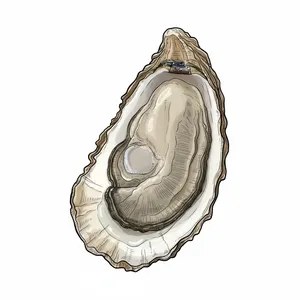
US East CoastGenetically unique Maine oyster grown in the open ocean near Cushing Harbor. Intensely briny with a bracing North Atlantic flavor, balanced by sweet notes and a touch of sugar. Pale tan shells layered like phyllo.
Genuine Blue Point
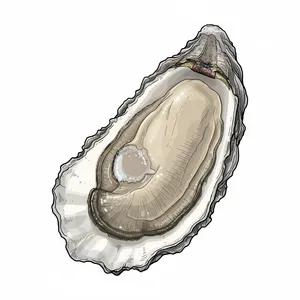
US East CoastThe legendary Long Island oyster harvested from Great South Bay for over two centuries. Strong, briny, and robust with satiny meats, a fresh crisp texture, and a sweet aftertaste that sparkles with mineral salinity.
Learn More
The Big Five: A Complete Guide to Commercial Oyster Species
Comprehensive guide to C. virginica (Atlantic), C. gigas (Pacific), C. sikamea (Kumamoto), O. lurida (Olympia), and O. edulis (European Flat)
Read article → Biology & SpeciesThe Atlantic Oyster (C. virginica): From Maritime Brine to Gulf Sweetness
Deep dive into America's indigenous East Coast oyster - flavor profiles, regional variations, and famous varieties
Read article → Merroir & EnvironmentWhat Is Merroir? How Water Shapes Oyster Flavor
Merroir is the marine version of terroir: how salinity, temperature, tides, and plankton in the growing water shape an oyster's flavor. The science, plus how to taste it.
Read article →