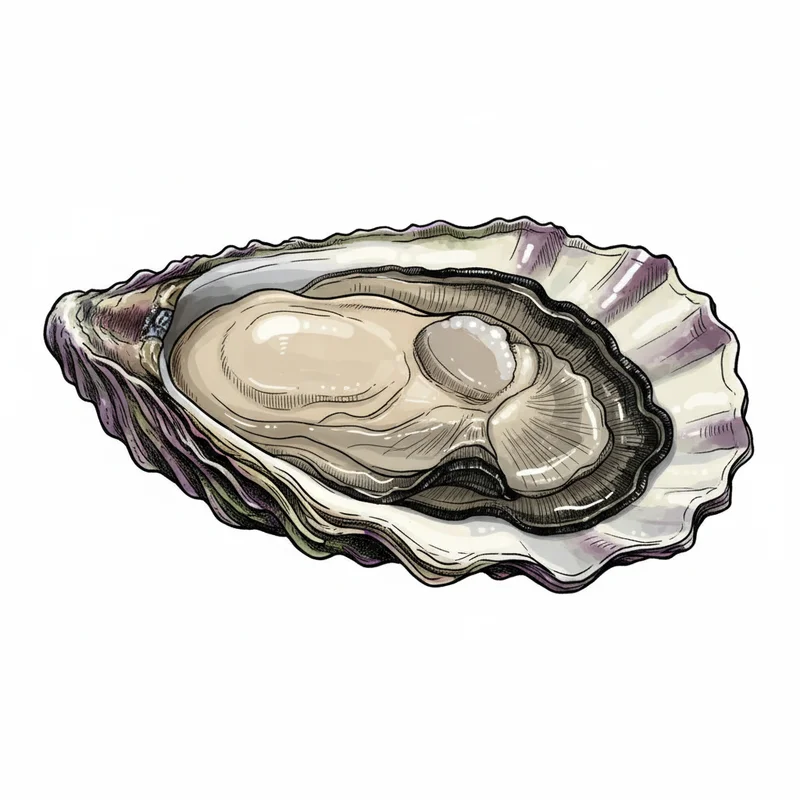
Chef's Creek
Crassostrea gigas
A quintessential British Columbia oyster from Baynes Sound. Tray-suspended for 12-18 months, developing deep cups and full meats. High brininess with creamy texture, finishing sweet with hints of melon and lettuce.
At a Glance
Chef's Creek is a Pacific oyster (Crassostrea gigas) from the Canada West Coast. It is notably briny (4/5 brininess) and distinctly sweet (4/5 sweetness), with briny, sweet, creamy flavors and a finish that is sweet with a hint of lettuce, crisp and clean.
Flavor Profile
Finish
Sweet with a hint of lettuce, crisp and clean
Expert Notes
Chef's Creek oysters are quintessential British Columbia oysters from Baynes Sound, benefiting from strong, fast currents that flush fresh nutrients to these fast-growing oysters. Raised using tray suspension methods, these primadonnas develop beautiful fluted shells with deep cups and full, plump meats. The flavor starts with a robust saltiness and finishes with a distinctive sweetness that hints of melon and lettuce, creating a creamy, high-brininess experience that showcases the pristine waters of Vancouver Island. Origin & Characteristics
- Species
- Crassostrea gigas
- Native to
- Japan
- Grown in
- Deep Bay, Baynes Sound, Vancouver Island, British Columbia
- Size
- Small to Medium (2.75-3 inches)
- Shell Color
- Fluted with purple hues
- Meat Color
- Ivory with dark black mantle
What Experts Say
Across 7 sources, tasters describe this oyster as:
Unique notes: meaty, fatty, cucumber
"One of the Baynes Sound floating-tray oysters, Chefs Creeks have the classic look: three-inch, skinny shells, not deep in cup, indicating fast growth in a suspended environment with good food supply; pure ivory meats with dark black mantles; and a big, creamy flavor."
creamybig flavor
"Creamy melon flavor balanced by good salt. Delicious. A great 'beginner' oyster to start your friends on if they have never had an oyster."
creamymelonsalty
"Slightly salty, creamy texture. A real treat. One of the creamiest fatty oysters I've eaten. Deep shell."
saltycreamyfatty
"Deep shell, firm texture, moderate brine and overall flavor, though almost meaty in character"
brinymeatymoderate
"Small to medium-sized, plump ('meaty' as most would say) so that they have a bite, with a taste that's not too briny, really clean, somewhat sweet, and ideally with a certain distinction that makes me remember their name."
cleansweetmild brinymeaty
"Chef Creek oysters average 2.75 – 3.5 inches and have a slightly briny flavor with a crisp, sweet finish."
brinycrispsweet
"Chef's Creek Oysters are a Pacific Northwest oyster from one of the British Columbia oyster appellations. They are farmed the Stellar Bay Shellfish company using the tray suspension method."
About the Farm
Stellar Bay Shellfish
Farms Chef's Creek oysters in Baynes Sound, the heart of BC's oyster industry, using tray suspension cultivation methods.
- Cultivation Method
- suspended culture
History & Background
Chef's Creek oysters are one of the classic Baynes Sound floating-tray oysters from British Columbia. They are part of a long tradition of Pacific oyster farming in the Strait of Georgia region.
Named for their appeal to chefs, these oysters have gained recognition in professional kitchens and among oyster enthusiasts for their creamy texture and balanced flavor profile.
Did You Know?
- The name 'Chef's Creek' was chosen specifically to appeal to professional chefs
- Regular shaking of the trays during cultivation helps deepen the cups
- Harvested less than 100 miles from major West Coast cities in the cold waters of the Strait of Georgia
Sources & References
This information was compiled from 7 sources.
- Chefs Creek - The Oyster Guide — oysterguide.com
- Chefs Creek Oyster — oysterater.com
- Chef's Creek Oyster — chefs-resources.com
- The Oysters that Stole My Heart and Got Away — kelseats.com
- Oysters, Chef Creek — santamonicaseafood.com
- Denman Island - The Oyster Guide — oysterguide.com
- Your Essential Guide to Oysters — fultonfishmarket.com
Similar Oysters
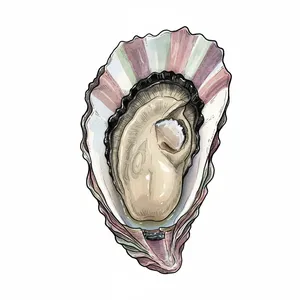
Nootka Sound
Canada West CoastRemote intertidal beach-farmed oyster from the fjords of West Vancouver Island. Art-deco striped shells in pink, purple, and green. Complex flavor with high brininess, nori sweetness, hints of muskmelon and raw milk, finishing with anise.
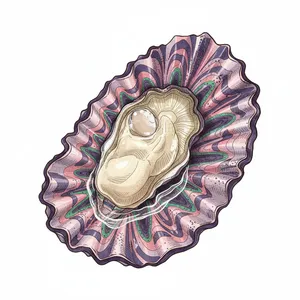
Imperial Eagle Channel
Canada West CoastBeach-cultured Pacific oyster from Barkley Sound on Vancouver Island's wild west coast. Deep-cupped and plump with high brininess balanced by natural sweetness, finishing with distinctive cucumber and watermelon-rind notes.
Calm Cove
US West CoastBeach-grown Pacific oyster from Washington's Totten Inlet and Hood Canal. Sweet and creamy with balanced brininess and a clean mineral finish. Cultivated by the Fagergren Family since 1946 in the nutrient-rich waters of South Puget Sound.
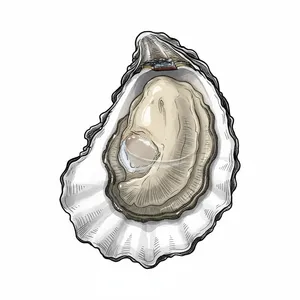
Eagle Rock
US West CoastClassic Totten Inlet oyster from South Puget Sound. Bag-to-beach cultivated for creamy, sweet meat with high brininess and the distinctive nori finish that defines the region. Saltier than most South Sound varieties.
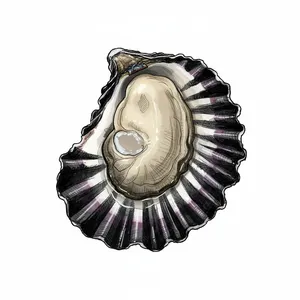
Hog Island Sweetwater
US West CoastThe signature California oyster from Tomales Bay. Rich and sweet with creamy, buttery texture, balanced brine, and a slightly smoky finish.
Learn More
The Big Five: A Complete Guide to Commercial Oyster Species
Comprehensive guide to C. virginica (Atlantic), C. gigas (Pacific), C. sikamea (Kumamoto), O. lurida (Olympia), and O. edulis (European Flat)
Read article → Biology & SpeciesThe Pacific Oyster (C. gigas): Cream, Cucumber, and the Japanese Legacy
Understanding the world's most cultivated oyster - from Japanese origins to West Coast dominance
Read article → Merroir & EnvironmentWhat Is Merroir? How Water Shapes Oyster Flavor
Merroir is the marine version of terroir: how salinity, temperature, tides, and plankton in the growing water shape an oyster's flavor. The science, plus how to taste it.
Read article →