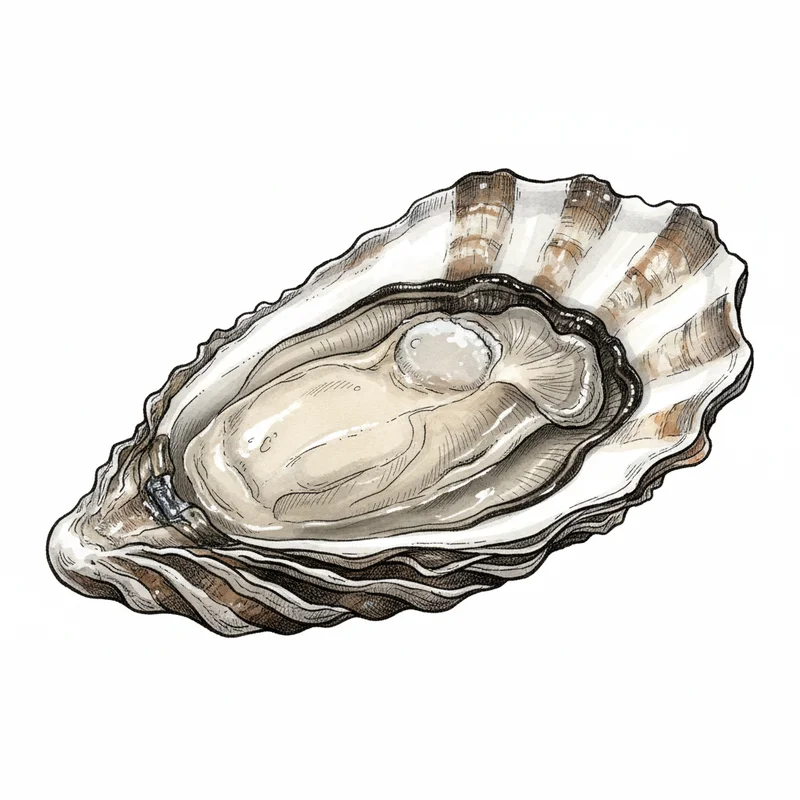
Chelsea Gem
Crassostrea gigas
The original tide-tumbled oyster from Eld Inlet's pristine waters. Deep-cupped with plump meats, mild brininess, silky creamy texture, and a signature sweet cucumber finish. A true Pacific Northwest gem.
At a Glance
Chelsea Gem is a Pacific oyster (Crassostrea gigas) from the US West Coast. It is mildly briny (2/5 brininess) and distinctly sweet (4/5 sweetness), with sweet, cucumber, creamy flavors and a finish that is sweet mineral cucumber finish with warm brine. It is considered a beginner-friendly oyster.
Flavor Profile
Finish
Sweet mineral cucumber finish with warm brine
Expert Notes
Chelsea Gem oysters are the original tide-tumbled oysters from Eld Inlet, considered one of the 'Grand Crus' of Pacific Northwest oysters for over a century. Grown in innovative flip-bags that harness constant tidal action, these boutique oysters develop a perfectly manicured deep-cupped shell and remarkably plump meats. Their mild brininess, silky creamy texture, and distinctive cucumber-like sweetness reflect the clean, calm waters of their home inlet, making them accessible to newcomers while sophisticated enough for connoisseurs. Origin & Characteristics
- Species
- Crassostrea gigas
- Native to
- Japan
- Grown in
- Eld Inlet, South Puget Sound, Washington
- Size
- Small to Medium (2-3 inches)
- Shell Color
- White and brown with zebra-striped undersides
- Meat Color
- Cream
What Experts Say
Across 10 sources, tasters describe this oyster as:
Unique notes: pickled-cucumber, horseradish, slate, buttery, mineral
"A great oyster from Eld Inlet. Oysters in Eld grow fast, fat, and creamy-sweet, and Chelsea Gems are no exception. They come to market at the extraordinarily tender age of five months, by which time they are petite three-inchers with very deep cups, due to all the natural tumbling. Inside is a little fella with all the sweetness and low salinity of other South Sound oysters but none of the low-tide flavors common to the beach-cultured varieties."
creamysweetlow salinityclean
"Stunning little tumbled Pacifics with a mouthwatering pickled-cucumber brine to them. The white, black, and purple stripes on the deeply scooped shells make them feel like jewelry (or Baltimore Ravens swag). Some seasons, the meats can be a little thin and watery, but the flavor is all there."
cucumberbrinypickle
"My new favorite west coast oyster. Not too 'complex' Perfectly briney, amazingly creamy, Bonus points: Easy to shuck (helpful when you're doing 100's) and pretty to look at zebra striped undersides."
brinycreamy
"A very good oyster, have tried several times over many months. Sweet start, mineral, briny finish."
sweetmineralbriny
"Great all around oyster! Easy to open, cucumber up front, mineral finish and great shell to look at."
cucumbermineral
"The Chelsea Gem is a petite 'tide tumbled' Pacific oyster with a clean, sweet, and buttery flavor profile with a delicate touch of brine."
cleansweetbutterydelicate brine
"The Gem is a petite tide tumbled Pacific oyster producing a deep round cup and a flat top shell for easy shucking. It has a flavor profile that is clean, sweet, buttery, with a delicate touch of brine."
cleansweetbutterydelicate brine
"This petite beauty is a tide tumbled Pacific oyster. The method of growing Chelsea Gems is original, grown in tumbled bags suspended by buoys in the water. This creates a completely new flavor profile that is clean, sweet, buttery, with a delicate touch of brine."
cleansweetbutterydelicate brine
"Chelsea Gem oysters have a creamy texture with a sweet flavor, mild brininess, and a cucumber finish. They are deep-cupped with small meats, low brininess, a creamy texture and sweet flavor."
creamysweetmild brinecucumber
"Chelsea Gems have a clean, mineral flavor. They are mild and briny, making them a great choice for a first time oyster eater, but you may also notice subtle flavors of cucumber, horseradish, and slate."
cleanmineralmildbrinycucumber
About the Farm
Chelsea Farms
Est. 1987Founded by Linda and John Lentz in Olympia, Washington. The name 'Chelsea' comes from John's tugboat used for geoduck diving and means 'Port of Ships.' The 'Gem' part highlights their deep-cupped, jewel-like shells. Chelsea Farms pioneered the tide-tumbling cultivation method.
- Cultivation Method
- suspended culture
- Certifications
- Pacific Coast Shellfish Growers Association member
History & Background
Chelsea Gem oysters were created in 1987 by Chelsea Farms as the original tide-tumbled oyster. John Lentz developed the first tide tumbling bags for cultivation, an innovative method that suspends oysters in bags by buoys in the water, creating constant tidal action that shapes the shells and develops unique flavor.
Chelsea Farms is well-known throughout the West Coast for the Chelsea Gem, their flagship oyster. The farm grows shellfish on Eld and Totten Inlet in South Puget Sound and has become a working model of environmental stewardship. Eld Inlet has been considered one of the 'Grand Crus' of Pacific Northwest oysters for more than a century.
Did You Know?
- The first oyster cultivated using tide-tumbling bags suspended by buoys
- Harvested at the extraordinarily young age of five months
- The shells have distinctive white, black, and purple zebra stripes that make them look like jewelry
- Easy to shuck due to their flat top shell and deep cup design
- Eld Inlet oysters have commanded premium prices for over a century due to their creamy-sweet quality
Sources & References
This information was compiled from 10 sources.
- Chelsea Gem - Hood Canal and Southern Puget Sound — The Oyster Guide
- Chelsea Gem — OysteRater
- Experience Chelsea Farms Oyster Bar's Tide-To-Table Dining — Experience Olympia
- Chelsea Gem Oysters — The Oyster Encyclopedia
- Chelsea 'Gem' Oysters — Neptune Seafood
- Signature Products — Chelsea Farms
- Chelsea Gem Oysters — Chef's Resources
- Oysters, Chelsea Gem — Santa Monica Seafood
- Fresh Off the Beach: Chelsea Farms Oyster Bar — Thurston Talk
- Oysters & Chablis Pairing Guide — The Oyster Guide
Similar Oysters
Royal Miyagi
US West CoastA rare Pacific Northwest oyster with distinctive sweet creaminess and unique kiwi-like finish. Cultivated on suspended lines then beach-finished for exceptional smoothness and plump texture.
Calm Cove
US West CoastBeach-grown Pacific oyster from Washington's Totten Inlet and Hood Canal. Sweet and creamy with balanced brininess and a clean mineral finish. Cultivated by the Fagergren Family since 1946 in the nutrient-rich waters of South Puget Sound.
Little Skookum
US West CoastA sweet, musky Pacific oyster from Little Skookum Inlet in South Puget Sound. Deep-cupped with plump, buttery meat, mild brininess, and distinctive melon-scented sweetness with a clean vegetable finish.
Hammersley Inlet
US West CoastBeach-grown Pacific oyster from South Puget Sound's Hammersley Inlet. Plump and sweet with mild saltiness, rich body, and a distinctive cucumber-melon finish. Grown in nutrient-dense waters for excellent meat-to-shell ratio.
Barron Point
US West CoastHand-sized Pacific oyster from Little Skookum Inlet in southern Puget Sound. Sweet and mildly salty with plump, tender meat and a distinctive musky finish. A well-balanced West Coast favorite.
Learn More
The Big Five: A Complete Guide to Commercial Oyster Species
Comprehensive guide to C. virginica (Atlantic), C. gigas (Pacific), C. sikamea (Kumamoto), O. lurida (Olympia), and O. edulis (European Flat)
Read article → Biology & SpeciesThe Pacific Oyster (C. gigas): Cream, Cucumber, and the Japanese Legacy
Understanding the world's most cultivated oyster - from Japanese origins to West Coast dominance
Read article → Merroir & EnvironmentWhat Is Merroir? How Water Shapes Oyster Flavor
Merroir is the marine version of terroir: how salinity, temperature, tides, and plankton in the growing water shape an oyster's flavor. The science, plus how to taste it.
Read article →